


.webp)


Fiber patch cables play a crucial role in today’s high-speed optical networks, ensuring seamless and efficient data transmission across various industries. Whether in telecommunications, data centers, or enterprise networks, these cables provide the necessary connectivity to maintain robust and reliable communication. To help enterprises and network engineers make the right choice when selecting fiber patch cables, let's take a look at their practical applications.
.jpg "fibermart Fiber Patch Cables")
Telecommunications Infrastructure
In the telecommunications industry, fiber patch cables are indispensable for ensuring high-speed internet, voice, and video communication. Service providers use singlemode fiber patch cables to transmit data over long distances with minimal signal loss. These cables connect central office equipment, fiber-optic backbones, and distribution networks, ensuring smooth communication for millions of users. Multimode fiber patch cables, on the other hand, are often utilized in local exchanges and short-distance applications where cost-effectiveness and high bandwidth are priorities.
.jpg "data center fiber cables")
Data Centers and Cloud Computing
With the rapid expansion of cloud services and large-scale data centers, fiber patch cables are essential for maintaining high-speed connections between servers, storage devices, and networking equipment. High-performance multimode fiber patch cables, such as OM3 and OM4, support 10G, 40G, and even 100G Ethernet, ensuring low latency and high throughput in critical environments. Properly installed and managed fiber cabling infrastructure enhances the efficiency and scalability of data centers, reducing downtime and improving overall performance.
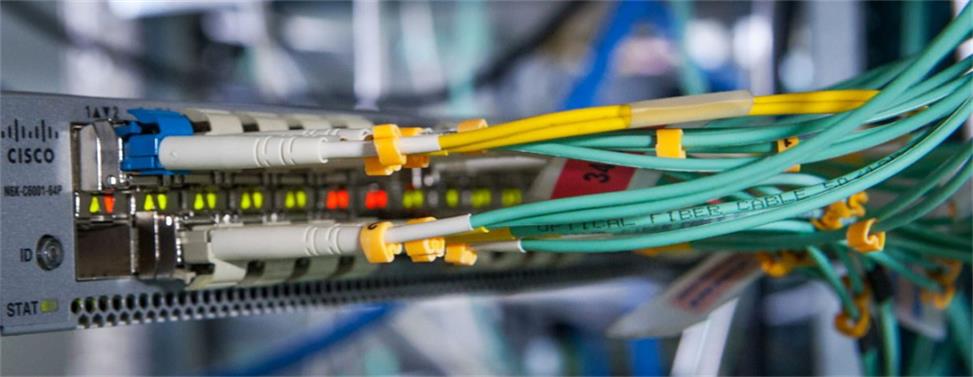
Enterprise and Office Networks
In corporate environments, fiber patch cables enable seamless connectivity between network switches, routers, and workstations. Organizations with high data transfer requirements, such as financial institutions, research labs, and media production companies, rely on fiber optic cabling to handle large volumes of information with minimal interference. Duplex fiber patch cables are often used in enterprise networks to establish redundant connections, ensuring continuous operation even in the event of a hardware failure.
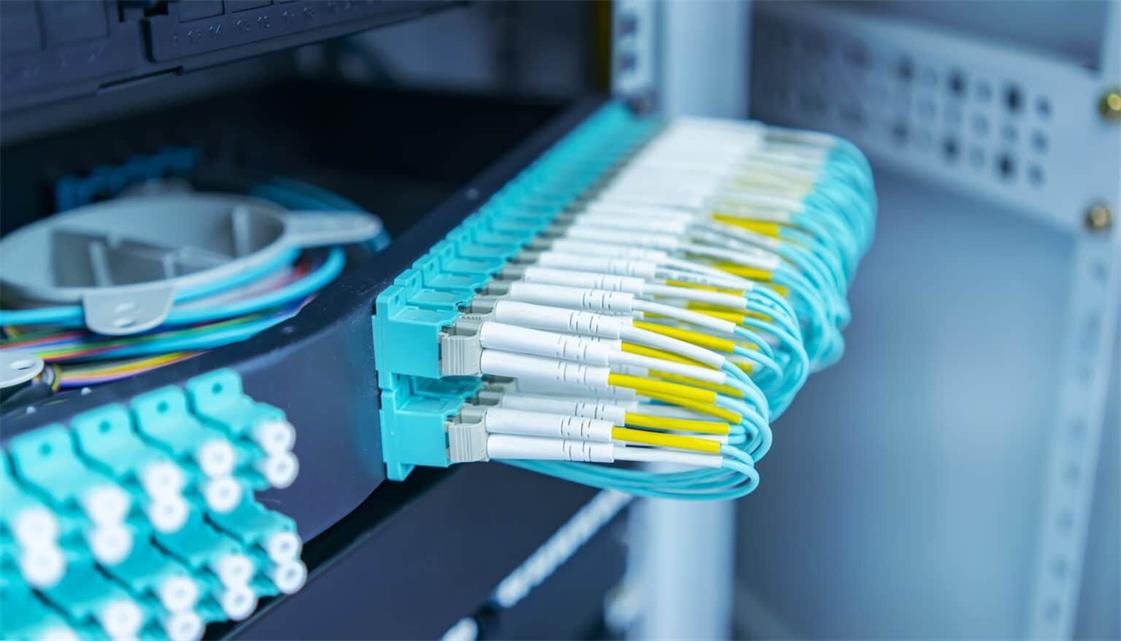
Industrial and Security Applications
Fiber patch cables are also widely used in industrial automation and security systems. In manufacturing facilities, fiber optic connections provide reliable data transmission between automated machinery, reducing the risk of electromagnetic interference (EMI) that can disrupt signals in harsh environments. In security applications, fiber optics support high-resolution surveillance cameras, access control systems, and alarm monitoring, ensuring secure and uninterrupted operations.
Why Choose FiberMART Fiber Patch Cables?
When selecting fiber patch cables for any application, quality, durability, and performance are key considerations. FiberMART offers a wide range of high-quality fiber patch cables designed to meet the demands of various networking environments. Their PVC/LSZH fiber patch cables are available in multiple connector types, including LC, SC, ST, FC, and MTRJ, making them compatible with different equipment.
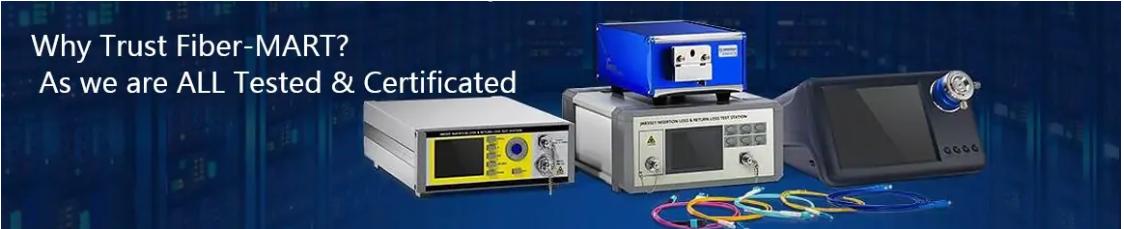
FiberMART provides both singlemode and multimode fiber patch cables, including OM1, OM2, OM3, and OM4 options, catering to diverse transmission requirements. These cables undergo rigorous optical testing to ensure maximum performance and reliability before shipping worldwide. Additionally, FiberMART offers customization options, allowing users to specify cable lengths and connector types to suit their specific network setups.
As network demands continue to grow, the need for reliable and high-performance fiber patch cables remains crucial. Whether for telecommunications, data centers, enterprise networks, or industrial applications, investing in top-quality fiber patch cables enhances network efficiency and longevity. FiberMART’s extensive selection of fiber optic solutions provides businesses and individuals with the reliability and flexibility needed for seamless connectivity in today’s digital landscape.





No comments have been posted yet.