


.webp)


In today’s data-driven world, network speed and stability are critical for smooth business operations and excellent user experience. A fiber transceiver plays a pivotal role in achieving fast and reliable data transmission by converting electrical signals to optical signals and vice versa. By using light to transmit data over fiber optic cables, fiber transceivers help businesses achieve high-speed, long-distance data communication with minimal signal loss. Among the various types of fiber transceivers available, SFP, SFP+, and QSFP interfaces are some of the most widely used in data centers, enterprise networks, and telecommunications. Each interface type has unique characteristics and applications, tailored to meet different bandwidth and speed requirements. Fibermart will introduce these interfaces in detail, so you can select the right fiber transceiver for your network needs.
Common Interface Types of Fiber Transceivers: SFP, SFP+ and QSFP etc
Ⅰ. What is a Fiber Transceiver?
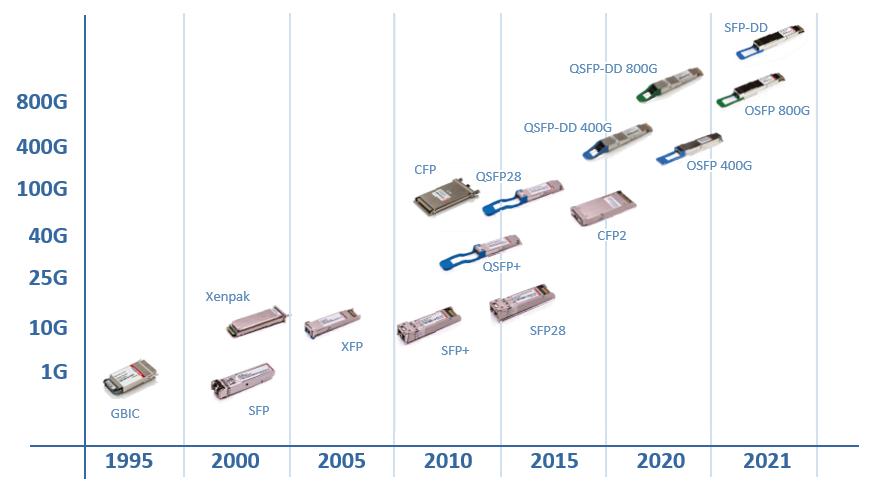
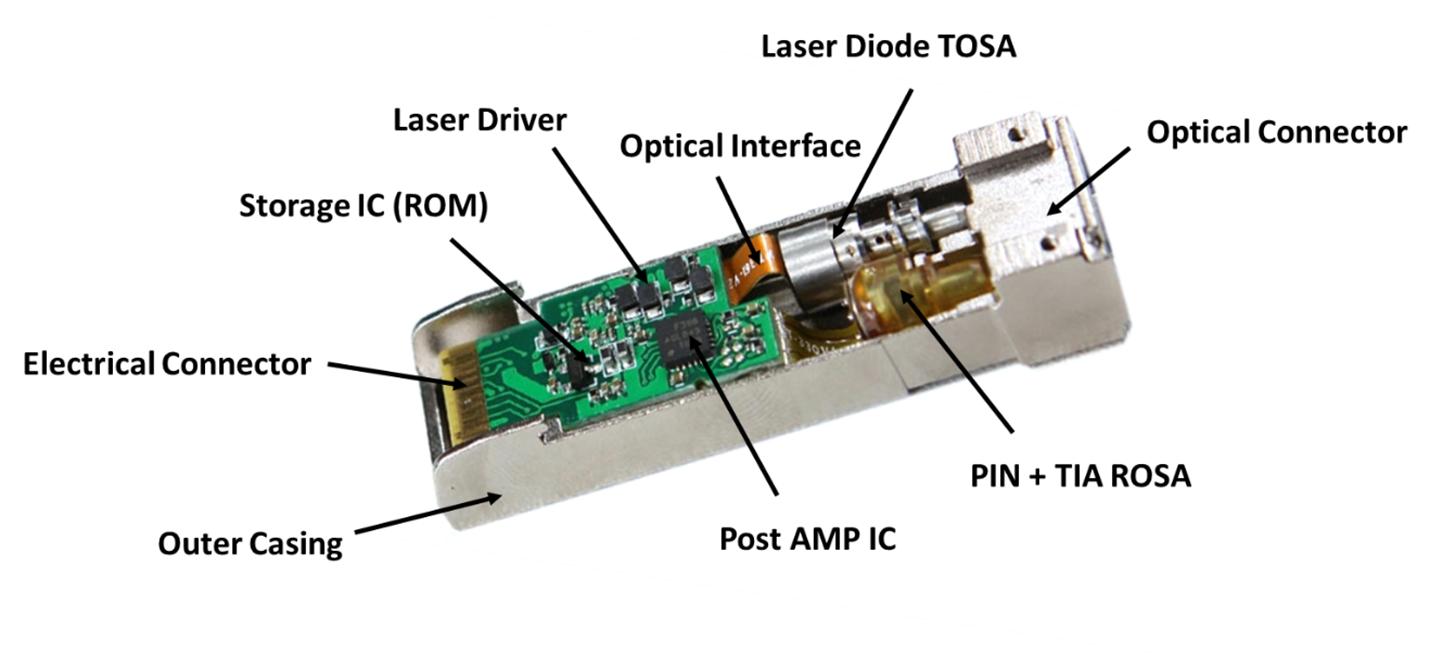
A fiber transceiver is a device used in networking to convert electrical signals into optical signals for transmission through fiber optic cables. It then reconverts the optical signals back into electrical signals at the receiving end. This process allows for high-speed, stable, and long-distance data transfer, reducing interference and signal loss typically encountered in copper-based networks. Fiber transceivers come in various speeds, distances, and configurations to meet specific network demands. SFP, SFP+, and QSFP are among the most popular interface types, each designed for different speeds and purposes, and are commonly found in data centers and high-performance network environments.
Ⅱ. SFP Interface Fiber Transceivers: Compact and Versatile
What is the SFP Interface?
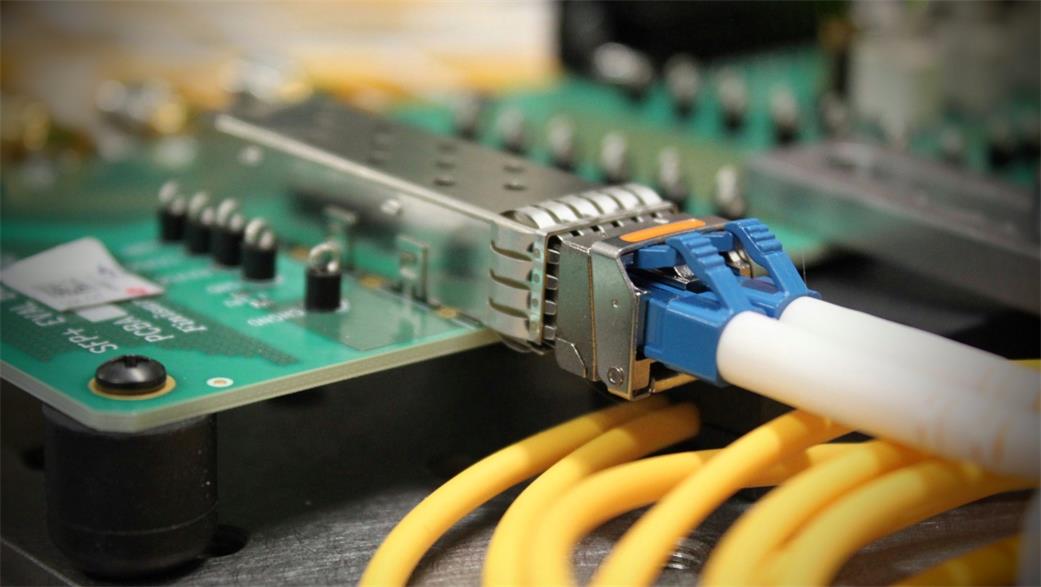
SFP, which stands for Small Form-factor Pluggable, is a compact, hot-swappable interface that supports speeds ranging from 100 Mbps to 1 Gbps. Known for its versatility, the fiber transceiver SFP is ideal for both single-mode and multimode fiber connections, making it adaptable for various network setups. An SFP transceiver can support up to 100 kilometers in transmission distance, depending on the fiber type and specific transceiver model.
Key Features of SFP
Speed Flexibility: SFP supports speeds up to 1 Gbps, meeting the demands of most standard networking needs.
Hot-swappable Design: SFP allows you to replace transceivers without shutting down the entire network, making it easier to manage and maintain.
Wide Compatibility: SFP transceivers are compatible with a variety of switches and routers from different manufacturers, providing users with more choices and flexibility.
Applications of SFP
Thanks to its adaptability, fiber transceiver SFP is widely used in applications like LANs, MANs, and enterprise Gigabit Ethernet networks. This interface is especially beneficial in network environments where devices need regular upgrades or maintenance. For instance, in data centers and office networks, SFP allows for seamless, uninterrupted upgrades or replacements, enhancing flexibility and reducing downtime.
Ⅲ. SFP+ Interface Fiber Transceivers: Speeding Up to 10G Networks
What is the SFP+ Interface?
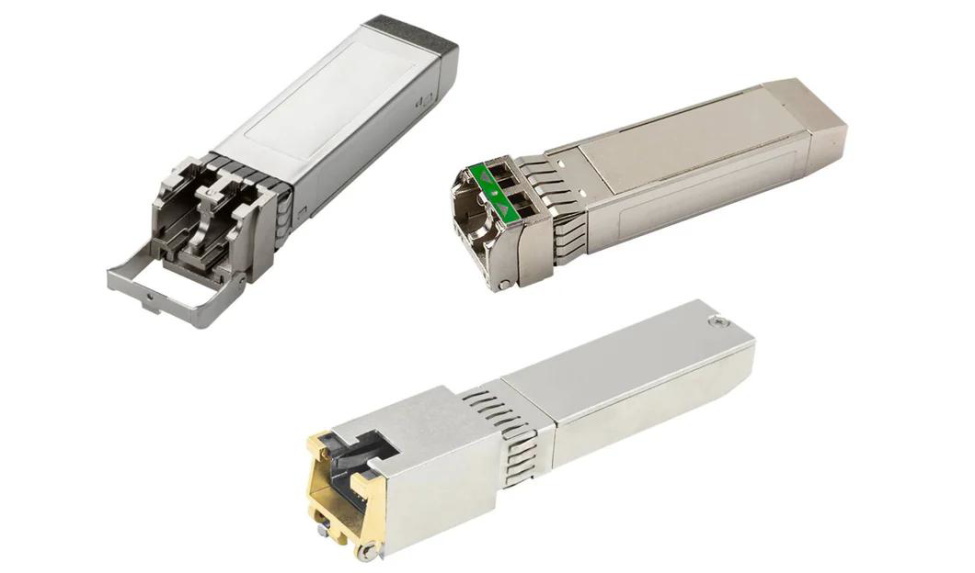
SFP+ (Enhanced Small Form-factor Pluggable) is a faster version of SFP, specifically designed to support speeds of up to 10 Gbps. The fiber transceiver SFP+ is well-suited for networks that require faster data transmission, low latency, and more efficient data handling. Compared to the standard SFP interface, SFP+ offers enhanced capabilities that meet the demands of modern, high-speed networks.
Key Features of SFP+
High-Speed Support: SFP+ supports 10 Gbps, making it ideal for applications that require high-speed data transfer, such as 10G Ethernet and fiber channel.
Extended Transmission Range: It works well with both multimode and single-mode fibers, supporting distances from 300 meters up to 80 kilometers depending on the fiber type.
Cost-Effective: While providing superior performance, SFP+ transceivers remain a cost-effective solution compared to other 10G options, making them attractive for businesses looking for quality and affordability.
Applications of SFP+
The fiber transceiver SFP+ is often found in high-performance networks like data centers and core enterprise networks. Its 10G capabilities make it ideal for scenarios requiring stable, high-speed connections. For businesses that rely on real-time data, such as financial institutions or large corporations, SFP+ ensures smooth, uninterrupted data transmission. Additionally, SFP+ works well in extended networks, such as multi-building or multi-floor setups, due to its longer transmission distances.
Ⅳ. QSFP Interface Fiber Transceivers: Ultra-High-Speed Data Transfer
What is the QSFP Interface?
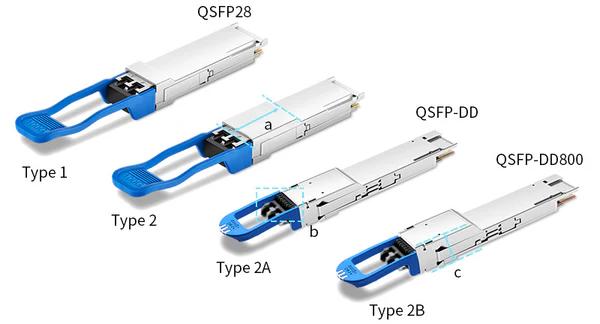
QSFP, or Quad Small Form-factor Pluggable, is a high-bandwidth interface that supports speeds starting at 40 Gbps and can go up to 100 Gbps in newer versions like QSFP28. QSFP is designed for ultra-high-speed networks, using four channels to achieve higher data rates and handle massive data loads. This makes QSFP ideal for network environments with demanding bandwidth needs.
Key Features of QSFP
Extreme Speed: QSFP supports 40G and even 100G speeds, catering to high-demand applications in data centers and cloud environments.
Multi-Channel Efficiency: QSFP’s four-channel design allows it to transmit multiple data streams simultaneously, maximizing transmission efficiency.
Configurable Options: QSFP comes in various configurations, including QSFP+ (40G) and QSFP28 (100G), making it adaptable to different network requirements.
Applications of QSFP
The fiber transceiver QSFP is widely used in high-performance environments like data centers, high-density server clusters, and cloud-based networks. QSFP's multi-channel design and ultra-high-speed capacity make it suitable for data-intensive applications, including streaming services, video processing, and large-scale storage networks. For businesses requiring extreme data bandwidth, such as media streaming providers or scientific research facilities, QSFP offers unparalleled speed and efficiency.
Ⅴ. Choosing the Right Fiber Transceiver Interface
When selecting a fiber transceiver interface, it’s important to consider the following factors:
1.Speed Needs:
If your network requires Gigabit speeds, SFP will meet your needs. For 10G networks, SFP+ is the better choice. If you need speeds of 40G or higher, QSFP is the best option.
2.Transmission Distance:
Your choice will depend on the transmission distance and whether you need single-mode or multimode fiber. For longer distances, QSFP and SFP+ provide reliable performance, while SFP is often sufficient for shorter distances.
3.Budget Considerations:
SFP and SFP+ offer a cost-effective solution for standard and high-speed networks. QSFP is better suited for higher-budget projects needing ultra-high speeds.
4.Network Layout:
The structure of your network will influence the transceiver you need. For core devices requiring high bandwidth, QSFP may be ideal, while SFP and SFP+ work well for regular connections.
Ⅵ. Conclusion
Fiber transceivers are essential for modern, high-speed networks. Whether you need standard Gigabit connectivity with SFP, high-speed 10G capabilities with SFP+, or ultra-high 40G and 100G speeds with QSFP, each fiber transceiver interface offers unique benefits suited to different applications. With a variety of options to choose from, selecting the right fiber transceiver depends on understanding your network’s speed, distance, and budget requirements. For those looking to build a fast, reliable network, partnering with reputable fiber transceivers manufacturers ensures quality products and dependable support. Fiber-Mart provide a wide selection of fiber transceiver products and technical expertise to help you build the network you need for a fast, secure, and efficient data environment.





No comments have been posted yet.