


.webp)


In the rapidly evolving landscape of optical communication and sensing technologies, choosing the right fiber optic cable is a critical decision that directly impacts system performance, reliability, and cost-effectiveness. Among the most widely used options are single-mode fiber (SMF) and polarization maintaining fiber cable. While both serve the fundamental purpose of transmitting optical signals, their design principles, performance characteristics, and application scenarios differ significantly. This comprehensive guide aims to clarify the key distinctions between these two fiber types, enabling engineers, project managers, and technology enthusiasts to make informed choices tailored to their specific needs.
Fundamental Definitions and Design Principles
Single-Mode Fiber (SMF)
Single-mode fiber is the backbone of modern long-distance optical communication networks. As its name suggests, it supports the propagation of a single transverse electromagnetic mode, which minimizes modal dispersion and allows for high-bandwidth signal transmission over extended distances. The core diameter of SMF is typically around 8-10 micrometers, a design that restricts light to travel along a single path. However, SMF does not inherently preserve the polarization state of light. Due to manufacturing imperfections, external mechanical stresses, and environmental variations (such as temperature fluctuations and bending), the polarization of light propagating through SMF tends to scatter randomly. This random polarization behavior is acceptable for most general communication applications where the polarization state is irrelevant to signal integrity.
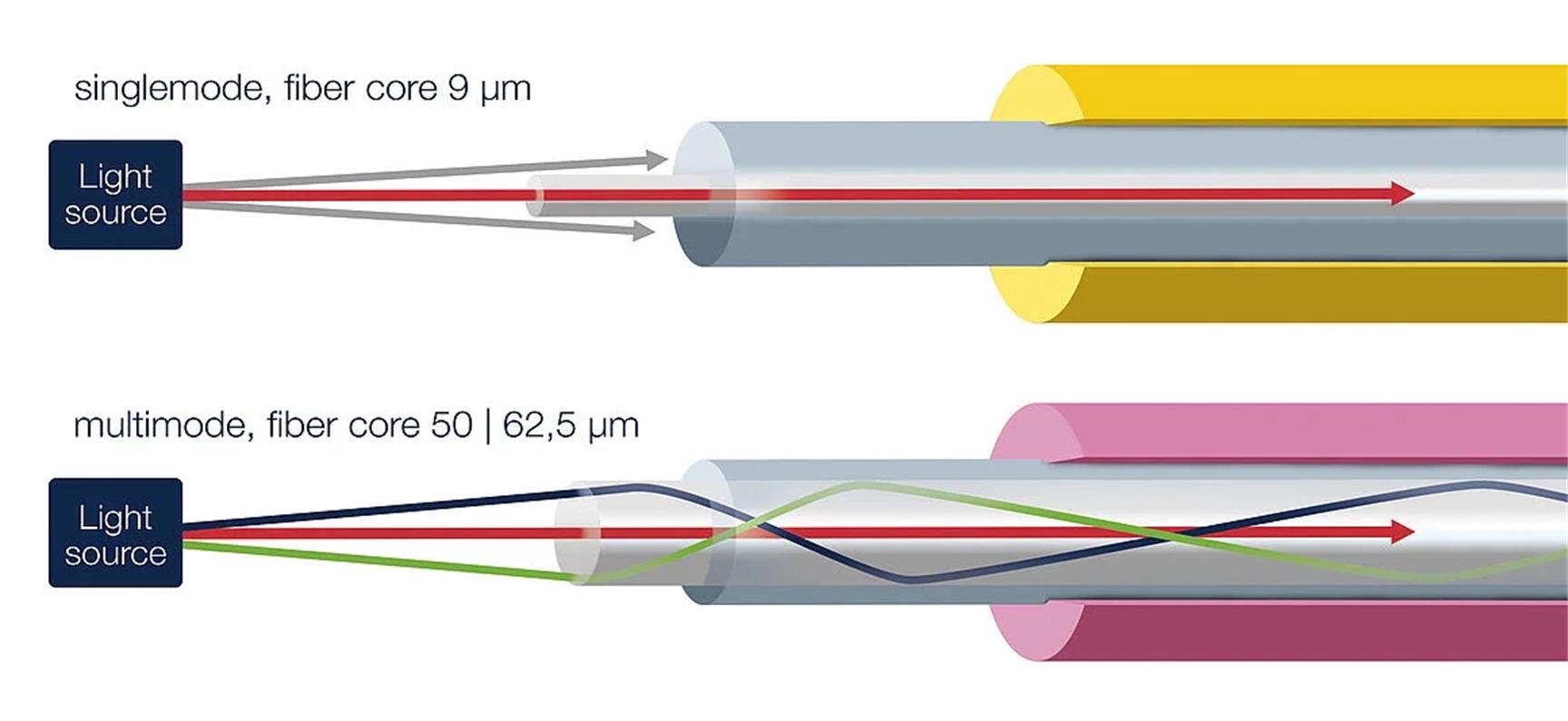
Specialized Polarization-Preserving Fiber
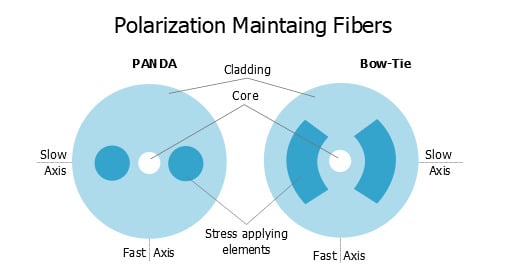
The specialized counterpart to SMF, designed to address random polarization limitations, incorporates a controlled, permanent asymmetry—known as high birefringence. This is achieved by integrating stress-applying components (such as elliptical cladding or stress rods in Panda and Bow-Tie configurations) around the fiber core during production. This asymmetry creates two distinct and stable propagation axes: the fast axis and the slow axis. When light is launched into one of these principal axes, the strong birefringence prevents power coupling between the orthogonal axes, effectively "locking in" the input polarization state throughout the fiber length. Unlike SMF, this specialized fiber ensures consistent linear polarization orientation even over long distances and under varying environmental conditions.
Key Performance Characteristics Comparison
Polarization Stability
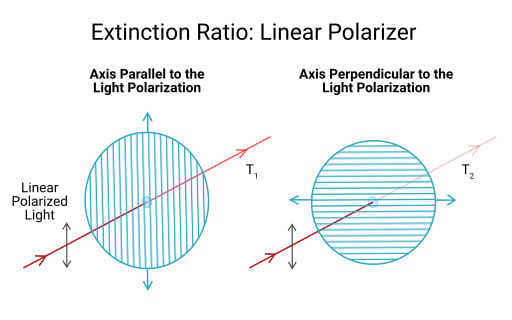
The most significant performance difference between SMF and polarization maintaining fiber cable lies in polarization stability. Single-mode fiber exhibits unstable polarization behavior, with the polarization state varying randomly as light travels through the fiber. This is not a concern for traditional communication systems that rely on intensity or phase modulation independent of polarization. In contrast, the specialized fiber is designed to maintain a stable linear polarization state, making it indispensable for applications where polarization is a critical parameter. It achieves this through high polarization extinction ratio (PER), typically exceeding 23 dB, which ensures minimal mixing or coupling between the two orthogonal polarization modes.
Insertion Loss and Attenuation
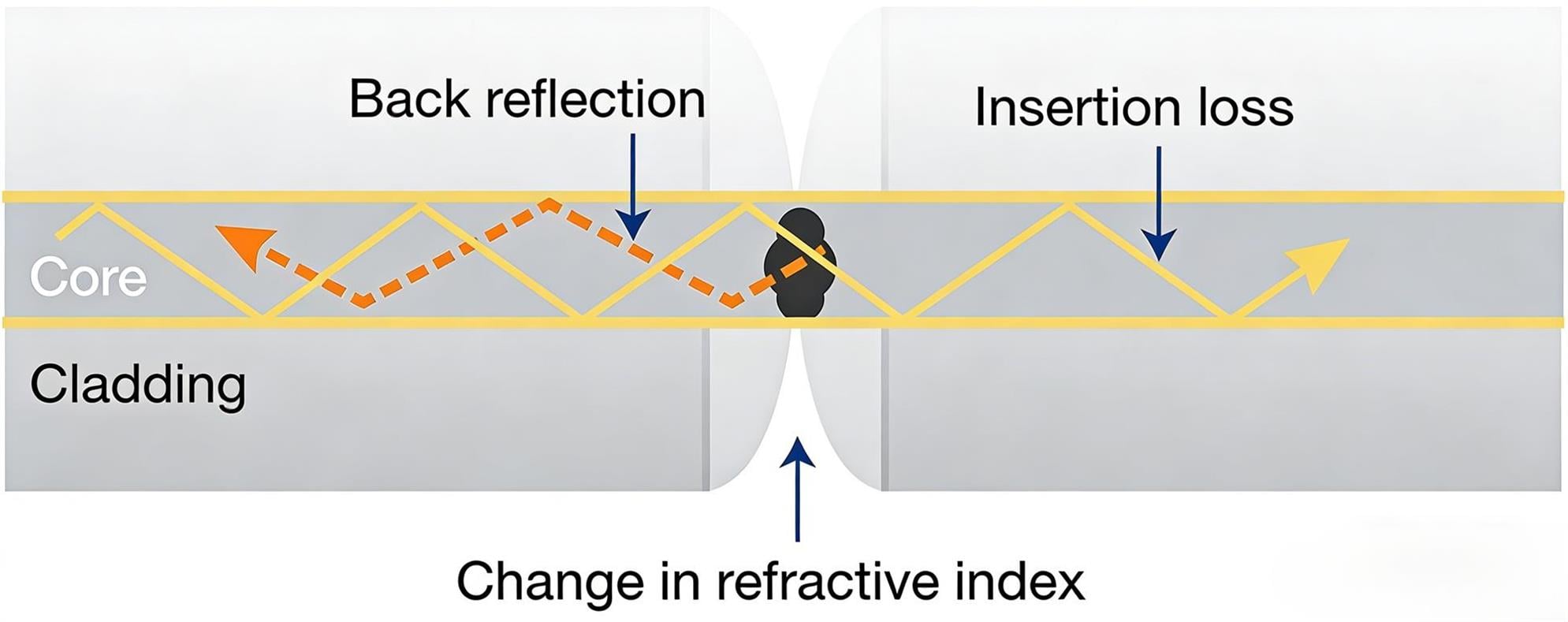
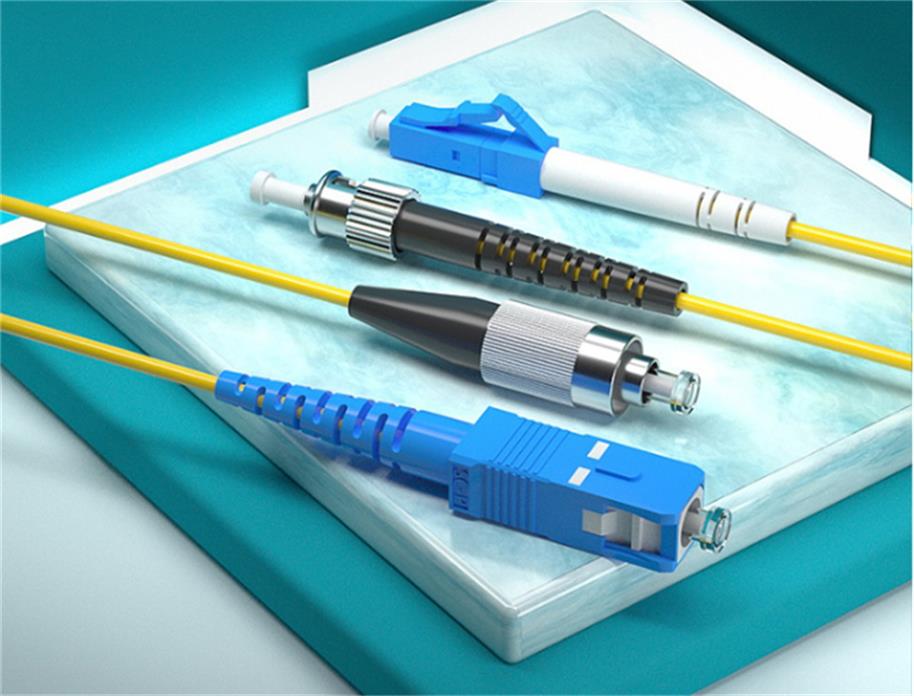
Insertion loss and attenuation are key indicators of signal loss in optical fibers. Single-mode fiber generally offers low insertion loss (typically less than 0.2 dB per connector) and low attenuation, with values as low as 0.2 dB/km at 1550 nm, making it ideal for long-haul communication. The polarization-preserving variant also maintains low insertion loss (≤0.3 dB) and attenuation levels comparable to SMF (e.g., 0.5 dB/km at 1550 nm), ensuring that signal strength is preserved while maintaining polarization integrity. The precision alignment of connectors (such as FC/APC, SC/UPC) in this specialized fiber, often keyed to align with the fast or slow axis, contributes to its low insertion loss despite its complex design.
Crosstalk and Extinction Ratio
Crosstalk, the unwanted coupling of signals between polarization modes, is negligible in SMF for most applications but can be problematic in polarization-sensitive systems. The polarization-preserving fiber addresses this with low polarization crosstalk, typically -40 dB at 4 meters and -30 dB at 100 meters, ensuring that the desired polarization state remains unaffected by the orthogonal mode. The high extinction ratio of this fiber (≥23 dB with connectors) further enhances its performance by suppressing unwanted polarization components, making it superior in systems where signal clarity depends on polarization purity.
Application Scenarios
Single-Mode Fiber Applications
Single-mode fiber is the preferred choice for large-scale communication networks, including long-haul terrestrial and undersea optical links, metropolitan area networks (MANs), and access networks. Its low attenuation and high bandwidth capabilities make it suitable for transmitting large volumes of data, voice, and video signals over distances ranging from kilometers to thousands of kilometers. Additionally, SMF is widely used in data centers for high-speed interconnects between servers, storage systems, and network equipment, where polarization stability is not a requirement.
Specialized Fiber Applications
Polarization maintaining fiber cable is tailored for polarization-sensitive systems where the integrity of the polarization state is critical to functionality. Key applications include:
● Fiber optic sensing: Interferometric sensors such as gyroscopes, hydrophones, and current sensors, where phase information relies on stable polarization.
● Coherent optical communications: Advanced systems using modulation formats that encode information in the polarization state, enabling higher data rates and spectral efficiency.
● Quantum communication and computing: Transmission of polarization-encoded qubits, where preserving polarization is essential for maintaining quantum state integrity.
● Nonlinear frequency conversion: Processes like second harmonic generation (SHG) that depend on specific polarization orientations.
● Pumped laser systems: Fiber lasers and amplifiers where pump light requires a precise polarization state for optimal performance.
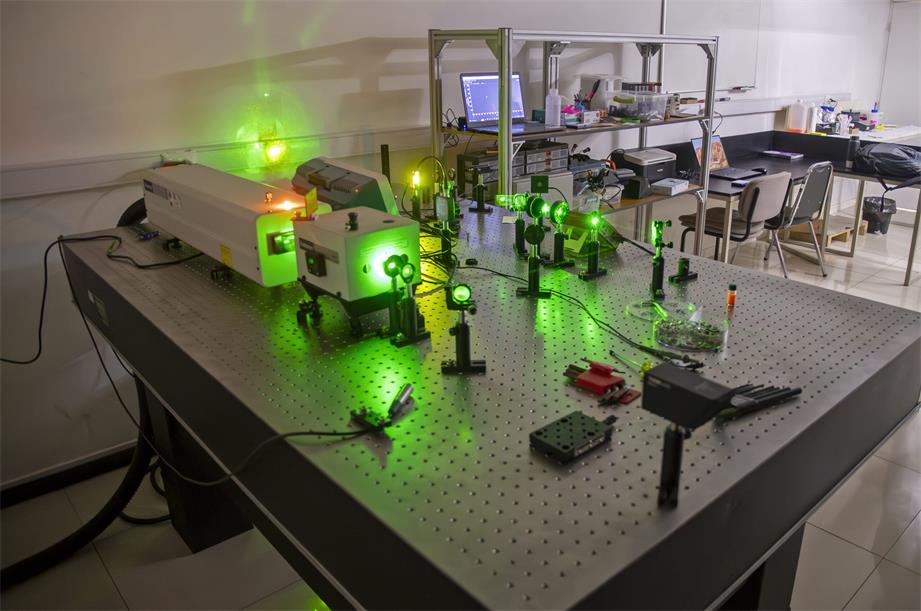
● Research and laboratory setups: Experiments and measurement systems that demand precise control over light polarization.
Selection Considerations
System Requirements
The primary factor in selecting between SMF and polarization maintaining fiber cable is the system’s polarization sensitivity. If the application does not rely on polarization stability (e.g., standard data transmission), SMF is the cost-effective and reliable choice. For polarization-sensitive systems (e.g., sensing, quantum communication), this specialized fiber is non-negotiable, as its design ensures the required polarization integrity.
Cost and Availability
Single-mode fiber is mass-produced, widely available, and more cost-effective than polarization maintaining fiber cable. The specialized manufacturing process of this polarization-preserving fiber, including precision alignment and quality control, results in a higher price point. When budgeting for a project, it is essential to balance performance needs with cost constraints—opting for this specialized fiber only when its unique capabilities are necessary.
Environmental Conditions
Both SMF and polarization maintaining fiber cable are designed to withstand various environmental conditions, but the latter offers enhanced stability under mechanical stress and temperature variations. Its stress-applying components are engineered to maintain birefringence even when the fiber is bent or exposed to extreme temperatures, making it suitable for harsh environments such as industrial settings, aerospace applications, and undersea sensing systems.
Conclusion
Choosing between single-mode fiber and polarization maintaining fiber cable requires a clear understanding of system requirements, performance characteristics, and application scenarios. Single-mode fiber excels in general communication applications, offering low cost, high bandwidth, and reliable long-distance transmission. The polarization-preserving fiber, with its unique ability to preserve polarization state, is the ideal choice for polarization-sensitive systems where precision and stability are paramount. By evaluating factors such as polarization sensitivity, cost, and environmental conditions, stakeholders can select the fiber type that optimizes system performance and delivers long-term value. Whether for large-scale communication networks or specialized sensing applications, the right fiber choice is a cornerstone of successful optical system implementation.





No comments have been posted yet.