


.webp)


Against the backdrop of accelerated global fiber-to-the-home (FTTH) deployment, metro backbone network upgrading, 5G bearer network construction and enterprise private line expansion driven by digital transformation, internet service providers (ISPs) are facing increasingly prominent procurement pain points such as cross-brand equipment incompatibility, batch product quality fluctuations, tight project delivery cycles and non-standard scenario customization difficulties. According to industry statistics, nearly 60% of small and medium-sized ISPs have encountered supply chain risks that delayed network construction progress due to improper supplier selection. Focusing on ISP-centric decision-making logic and full-cycle procurement risk control, FiberMart has launched a standardized, operable procurement guidance scheme, relying on its full range of fiber optic products including optical transceivers, fiber optic patch cords, indoor/outdoor optical cables, fiber pigtails, optical splitters, optical switches and optical fusion splicers, with high compatibility with mainstream international brands, helping ISPs build a stable and efficient fiber optic supply chain and resolve full-cycle procurement risks from demand planning to after-sales maintenance.
Precise Procurement Demand Planning
Scientific procurement starts with accurate demand sorting, which is the core premise for ISPs to avoid post-delivery risks such as mismatched products, project delays and cost overruns. Before formal supplier screening, ISPs need to complete preliminary internal research including existing network topology sorting, stock equipment parameter sorting and project bandwidth carrying target setting. This scheme guides ISPs to combine project scale, deployment scenario, network architecture and budget constraints to clarify core needs, and targeted respond to typical procurement worries that plague the industry.
Classify Deployment Scenarios
Different network construction scenarios correspond to differentiated fiber optic product specifications, and scenario-based matching can maximize procurement efficiency and product availability, while reducing unnecessary capital occupation and later transformation costs. The supplier's full-category fiber optic product system covers all mainstream ISP deployment scenarios, with strict parameter alignment with international first-line brands to ensure plug-and-play interoperability and zero secondary debugging loss in actual construction:
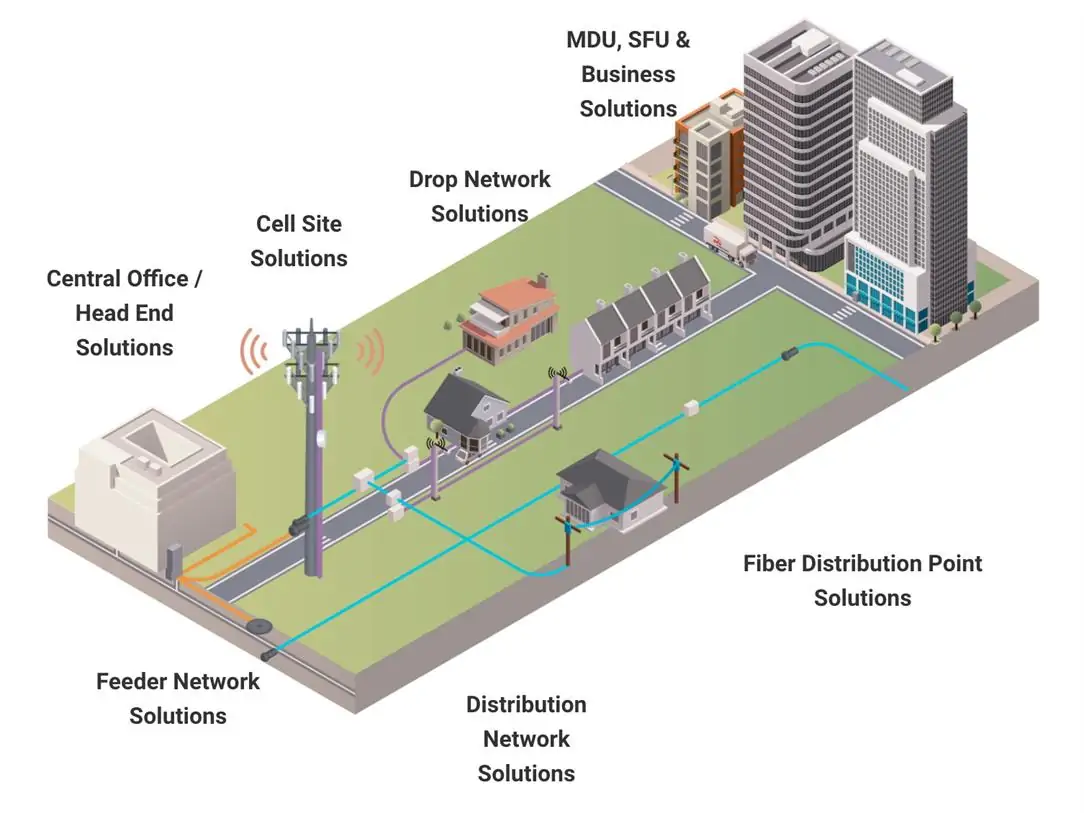
● FTTH Access Scenarios: Apply G.652D/G.657A1/A2 indoor and outdoor optical cables, fiber patch cords, pigtails, PLC/FBT optical splitters and low-rate optical transceivers. This product combination is designed for residential coverage, rural broadband access and community transformation projects, with products compatible with Corning fiber core parameters and CommScope passive component standards, fully matching existing PON equipment of mainstream vendors to ensure stable signal transmission in multi-user concurrent scenarios.
● Metro Backbone Scenarios: Adopt single-mode long-distance optical cables, 10G/25G/100G/800G high-speed optical transceivers, low-latency optical switches and portable fusion splicers. Optical transceivers comply with MSA multi-source agreement standards and achieve full interoperability with Cisco and Finisar module products, meeting the high-speed, low-loss transmission requirements of backbone nodes between urban data centers and core equipment rooms.
● Enterprise Private Line & Data Center Scenarios: Use high-density optical cables, armored pigtails and customized patch cords, with interfaces and performance aligned with mainstream data center optical equipment standards, supporting stable long-distance and high-density wiring. This configuration is suitable for enterprise dedicated broadband, cloud access interconnection and IDC internal wiring, with strong anti-interference performance to meet the high reliability requirements of commercial network operation.
ISP Procurement Concerns
ISPs generally face five typical procurement risks that directly affect network operation efficiency and project profitability, and the scheme forms standardized response measures for each pain point, which has become a key criterion for supplier screening in the industry:
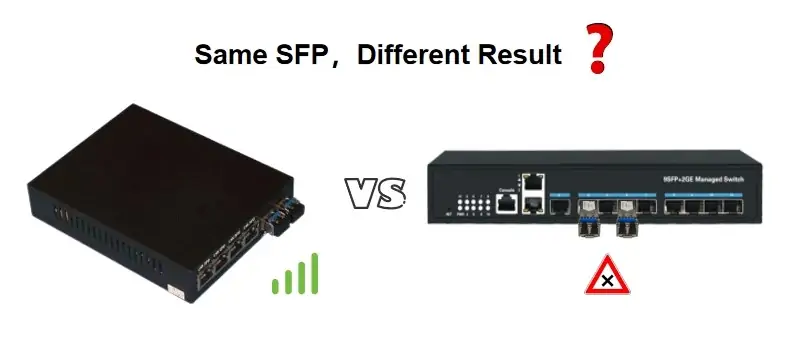
● Concern 1: Incompatibility with existing network equipment – Pre-sales compatibility testing with mainstream international brands is implemented in a real network simulation environment, and complete test reports and parameter alignment documents are issued to verify interoperability, eliminating the risk of equipment mismatch leading to network paralysis.
● Concern 2: Unstable product quality and high maintenance costs – Full-processquality inspection is carried out from raw material incoming to finished product delivery, each batch is attached with detailed factory test reports, and core products are equipped with authoritative third-party certifications to reduce later maintenance frequency and labor costs.
● Concern 3: Inflexible supply and delayed project delivery – Sufficient inventory of conventional products is maintained in regional warehouses, customized production cycles are locked in advance through order scheduling, and an emergency supply response mechanism is established to cope with urgent project needs.
● Concern 4: Failure to meet non-standard project customization needs – Targeted customization of product parameters, appearance and structure is provided without changing core performance and compatibility, covering special scenarios such as complex terrain and special environmental protection.
● Concern 5: Unclear cost control and hidden expenses – A transparent quotation system is adopted, all cost items including production, testing, logistics and packaging are clarified in advance, and additional charges for conventional testing and certification are avoided to realize controllable full-process costs.
Product Selection in ISP fiber optic procurement
Product selection is the core link of ISP fiber optic procurement, which needs to balance standardization, compatibility, cost-effectiveness and long-term durability. All products sold by the supplier meet international industry standards such as IEC, TIA and ITU-T, and are strictly calibrated with the technical parameters of mainstream brands to reduce later equipment debugging and replacement costs, and extend the service life of network infrastructure.
Specifications and Compatibility Requirements
Each core fiber optic product has clear technical indicators and compatibility benchmarks, ensuring consistent performance with international mainstream products and adapting to various complex operating environments:
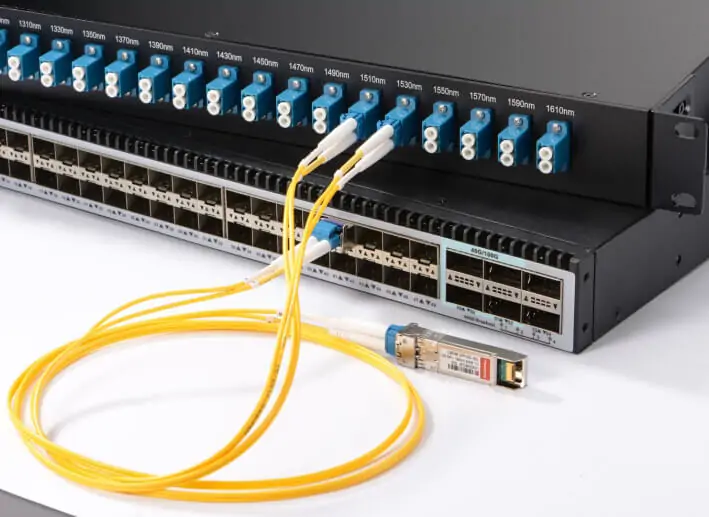
● Optical Transceivers: Adopt SFP/SFP+/QSFP28 compact packages, covering 155M-100G and up to 800G full transmission rates, compatible with Cisco, Juniper and Finisar modules, insertion loss meets industry-leading standards, and hot-swappable design requires no driver debugging, supporting rapid replacement in equipment rooms.
● Indoor & Outdoor Optical Cables: Comply with ITU-T G.652/G.657 standards, with armored and non-armored options, LSZH low-smoke zero-halogen flame-retardant sheath, tensile strength and transmission loss matching Corning optical cable performance, with strong resistance to moisture, corrosion and low temperature, suitable for aerial, underground and pipeline laying.
● Fiber Patch Cords & Pigtails: Equipped with SC/LC/FC/ST standard interfaces, LSZH/PVC sheath options, insertion loss ≤0.3dB, return loss ≥50dB, compatible with CommScope and Panduit wiring components, with precision grinding connectors to ensure stable connection and low signal attenuation.
● Optical Splitters & Optical Switches: PLC splitters with uniform splitting ratio and low insertion loss, low cross-talk optical switches with fast switching speed, fully compatible with mainstream PON equipment and backbone switching equipment, meeting the needs of signal shunting and network scheduling.
● Optical Fusion Splicers: Portable and rack-mounted models, high splicing accuracy with average loss ≤0.02dB, operating logic consistent with Fujikura products, with automatic calibration function, suitable for on-site construction in complex scenarios such as high altitude and low temperature.
Procurement Priorities
ISPs can formulate targeted procurement lists based on project characteristics, construction cycle and budget allocation to optimize resource allocation and improve investment returns: for large-scale rural FTTH coverage projects with long construction cycles and wide distribution, prioritize outdoor armored optical cables and conventional PLC splitters with strong environmental adaptability; for urban backbone upgrading projects with high bandwidth requirements, focus on 10G/100G high-speed optical transceivers and low-latency optical switches to ensure transmission efficiency; for data center interconnection projects with dense wiring, select high-density customized optical cables and armored pigtails to improve wiring efficiency and reduce construction space occupation, while lowering later operation and maintenance difficulty.
Flexible Customization Services
In actual network construction, ISPs often encounter non-standard projects such as complex terrain laying, special environmental protection requirements, customized interface specifications and limited installation space, which cannot be met by conventional products. For these special needs, the supplier provides targeted customization services based on ISP actual project parameters and construction conditions, ensuring that customized products still meet strict compatibility and quality standards to maintain long-term stable network operation.
Full-Chain Customized Scenario Coverage
Customized services cover the entire fiber optic product chain, and all structural and parameter adjustments are carried out on the premise of retaining core performance, transmission indicators and brand compatibility, covering the following common non-standard scenarios in the industry:
● Optical Cable Customization: Adjust cable length, core count (4-144 cores optional), sheath material (flame-retardant, oil-resistant, UV-resistant, anti-rat bite) and laying mode (aerial, underground, pipeline, direct burial) to adapt to rural FTTH, urban complex pipe network, industrial park and coastal high-humidity areas deployment.
● Patch Cord & Pigtail Customization: Customize interface combinations, bending radius, color coding, length specifications and packaging labels, and add protective sleeves for special scenarios to facilitate on-site wiring management, rapid identification and efficient construction.
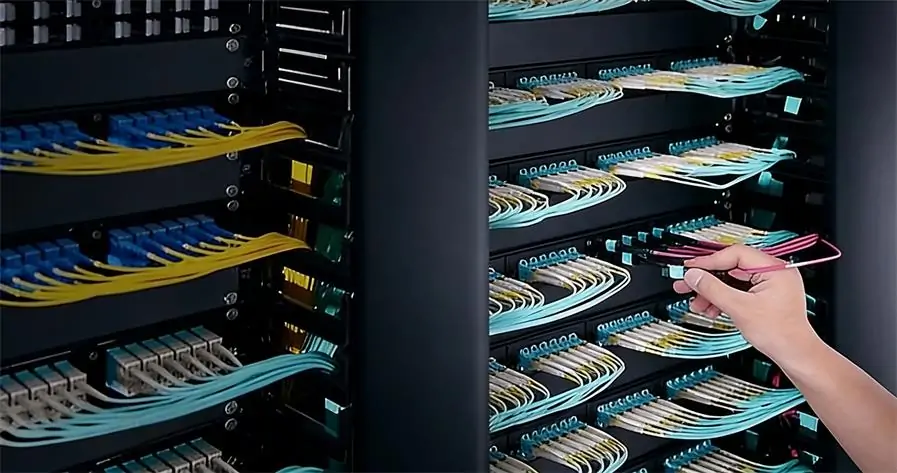
● Passive Component Customization: Tailor splitting ratio of optical splitters (1:2-1:128), port count of optical switches and shell size (miniature, rack-mounted, wall-mounted) for special node deployment such as narrow equipment rooms and outdoor cabinets.
Customized Product Quality and Compatibility
To avoid quality deviations and compatibility risks caused by customization, all customized products undergo three rounds of strict pre-delivery testing to ensure full compliance with project requirements: first, verify that customized parameters, dimensions and functions match the confirmed demand documents; second, conduct compatibility testing with mainstream brand equipment in a simulation environment to ensure no impact on network interoperability; finally, issue a dedicated test report with detailed data records to realize full traceability of quality and parameters. For large customized orders, a small-batch sample trial production link is added to confirm product feasibility before formal mass production.
Full-Lifecycle Quality Assurance
Quality is the bottom line of ISP fiber optic procurement, which is directly related to network stability, user experience and long-term operation costs. The supplier has established a full-lifecycle quality control system covering raw material procurement, production processing, finished product testing, logistics delivery and after-sales maintenance links, with strict quality control nodes at each stage, effectively reducing operational risks and later maintenance costs for ISPs.
Third-Party Certification
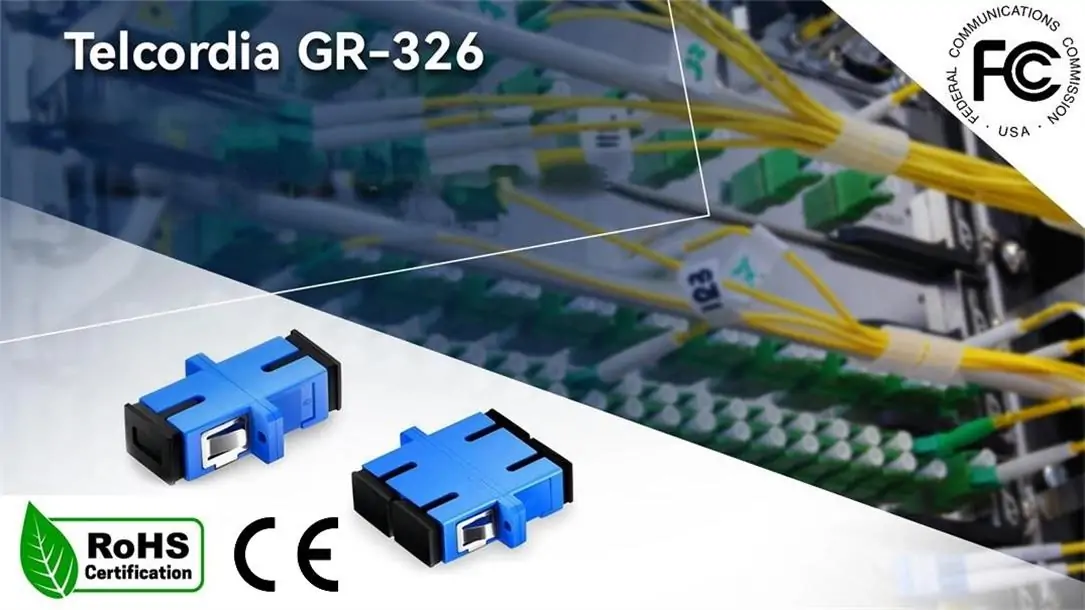
Core fiber optic products have passed CE, FCC, RoHS and Telcordia GR-326 authoritative certifications, meeting global market access standards. In addition, the supplier conducts regular compatibility retesting with mainstream international brands every quarter to update test data and adapt to the iterative upgrade of network equipment. For large-scale ISP projects, on-site sampling testing and third-party authoritative inspection can be carried out as required to confirm product compliance and performance stability.
Raw Material Selection and Production Process Full Inspection
High-quality raw materials meeting international standards are selected for fiber cores, connectors, sheaths and accessories, all sourced from qualified suppliers with complete qualification certificates. 100% full inspection is implemented in key production processes, including optical fiber loss testing, connector grinding accuracy detection, cable tensile and compression testing, high/low-temperature environment simulation testing and waterproof performance testing. Each batch of products is equipped with a complete factory inspection report and production batch number, realizing full traceability of raw materials, production parameters and testing data.
After-Sales Service
A standardized after-sales service system is established to provide 7×24 hours technical consultation, remote fault diagnosis and on-site construction guidance for key projects, with a clear response time limit for fault feedback. Defective product replacement and spare parts supply services are provided within the warranty period, and a rapid response team is set up for emergency maintenance needs to ensure timely supply of spare parts and minimize network interruption time and economic losses.

Three-Step Standardized Procurement Process
To improve procurement efficiency, standardize procurement behavior and reduce human decision-making risks, the scheme summarizes a three-step standardized procurement process, which is applicable to both daily conventional replenishment procurement and large-scale project bidding procurement, effectively reducing procurement risks and improving project implementation efficiency.
Demand Sorting and Supplier Preliminary Screening
ISPs first sort out core information including project scale, product type, technical parameters, delivery cycle, budget range and after-sales needs, and form a standardized demand document. Then screen suppliers with complete product lines, mainstream brand compatibility, perfect quality control system, stable supply capacity and rich industry service experience. Suppliers that can provide detailed product catalogs, compatibility certification documents and successful case references are prioritized for rapid preliminary screening, eliminating unqualified suppliers in the early stage.
Sample Testing and Small-Batch Procurement Verification
Select representative samples corresponding to procurement needs for performance and compatibility testing in the existing network environment, and record key indicators such as insertion loss, transmission speed and stability. After passing the test, carry out small-batch procurement verification to check product consistency, delivery efficiency, packaging quality and after-sales response speed in actual transactions. This link can effectively avoid large-scale procurement risks caused by unqualified products or mismatched services.

Formal Contract Signing and Batch Delivery Control
After successful small-batch verification, sign a formal procurement contract to clearly define product parameters, quality standards, delivery cycle, logistics method, after-sales terms, liability for breach of contract and settlement methods, avoiding disputes caused by vague terms. Suppliers implement scheduled delivery and split shipment according to the project construction progress, and adopt professional anti-pressure, moisture-proof logistics packaging to avoid product damage during transportation, with full-process logistics tracking to ensure on-time arrival.
Conclusion
For ISPs, fiber optic supplier selection is a systematic project related to network stability, project delivery efficiency and long-term operation costs, which requires comprehensive consideration of technology, quality, supply and service. This procurement guidance scheme, centered on ISP practical demands, combines scenario-based demand planning, compatible product selection, flexible non-standard customization and full-process quality control, providing a feasible and standardized operation path for fiber optic procurement. By adhering to technical compliance, brand compatibility and service standardization, ISPs can efficiently resolve industry-wide procurement pain points, build a long-term stable fiber optic supply chain, and lay a solid foundation for the expansion of broadband services and digital business development.
FAQs for IPS Procurements
Q1: How to quickly match fiber optic products for different networking scenarios?
A: Select products by scenario precisely. All products in FiberMart adapt to mainstream scenarios and are compatible with top international brands: Choose conventional optical cables, patch cords, splitters and low-speed transceivers for FTTH access; long-haul cables, high-speed transceivers and low-latency switches for metro backbones; high-density & armored products for enterprises/IDC. All support plug-and-play.
Q2: How to avoid cross-brand equipment incompatibility risks?
A: Conduct simulation compatibility tests with mainstream brands and issue reports before procurement. Products comply with global standards, perfectly matching Cisco, Commscope and other mainstream equipment to eliminate incompatibility risks at the source.
Q3: How to ensure on-time product delivery under tight schedules?
A: Regular products are in stock for fast shipment; customized products have locked production cycles in advance. An emergency supply mechanism is established, with full logistics tracking and professional protective packaging to guarantee on-time and damage-free delivery.
Q4: Are FiberMart customized products available for non-standard projects? Is quality controllable?
A: Full-category non-standard customization is supported without affecting core performance and compatibility. Customized products pass three strict tests; small-batch trial production is required for large orders, with full quality traceability.
Q5: How to avoid hidden procurement costs and control total expenses?
A: FiberMart adopts a transparent quotation system with all cost items listed and no extra fees. Cost-effective product portfolios are provided to control procurement and later O&M costs and avoid capital waste.
Q6: What after-sales and warranty guarantees are provided for FiberMart products?
A: Core products hold authoritative certifications with full-process quality traceability. 7×24 technical support is available; defective products are replaced and spare parts are supplied promptly within the warranty period, with fast emergency maintenance response.


.webp "Fibermart at OFC 2026 Los Angeles, California, USA")





No comments have been posted yet.