


.webp)


During the selection process of fiber optic cables for residential, commercial building, industrial facility, and large-scale infrastructure projects, purchasers and relevant technical personnel often face numerous decision-making dilemmas. Currently, the fiber optic cable market offers a wide range of products, covering three core categories—indoor, outdoor, and armored—and numerous sub-specifications, each specifically designed for particular application environments and scenarios. Any deviation in the selection process can easily lead to substandard transmission performance, premature equipment aging, prominent safety hazards, and cost waste. For example, how to define the applicable scenarios of loose tube and tight buffered cables? What prerequisites must be met for the selection of armored cables? How to ensure that the selected cables comply with the fire safety standards and harsh environment resistance requirements of the corresponding scenarios? This article will systematically break down the fiber optic cable selection process around the above core issues, providing accurate and professional selection guidance for relevant personnel to help them select fiber optic cable products that meet project requirements.
What is Fiber Optic Cable? (Indoor, Outdoor, Armored)
A fiber optic cable is a high-speed data transmission medium based on optical signal transmission. Its core component is thin glass or plastic optical fibers, which transmit data through the refraction and transmission of optical signals. Compared with traditional copper cables, fiber optic cables have significant advantages such as high transmission rate, strong connection stability, resistance to electromagnetic interference (EMI), low signal loss during long-distance transmission, and strong bandwidth carrying capacity. Among them, indoor, outdoor, and armored are the three core categories of fiber optic cables. Through differentiated structural design, material selection, and protection processes, they respectively address various technical challenges in different operating environments. Their specific classifications and core characteristics are as follows:
Indoor Fiber Optic Cables
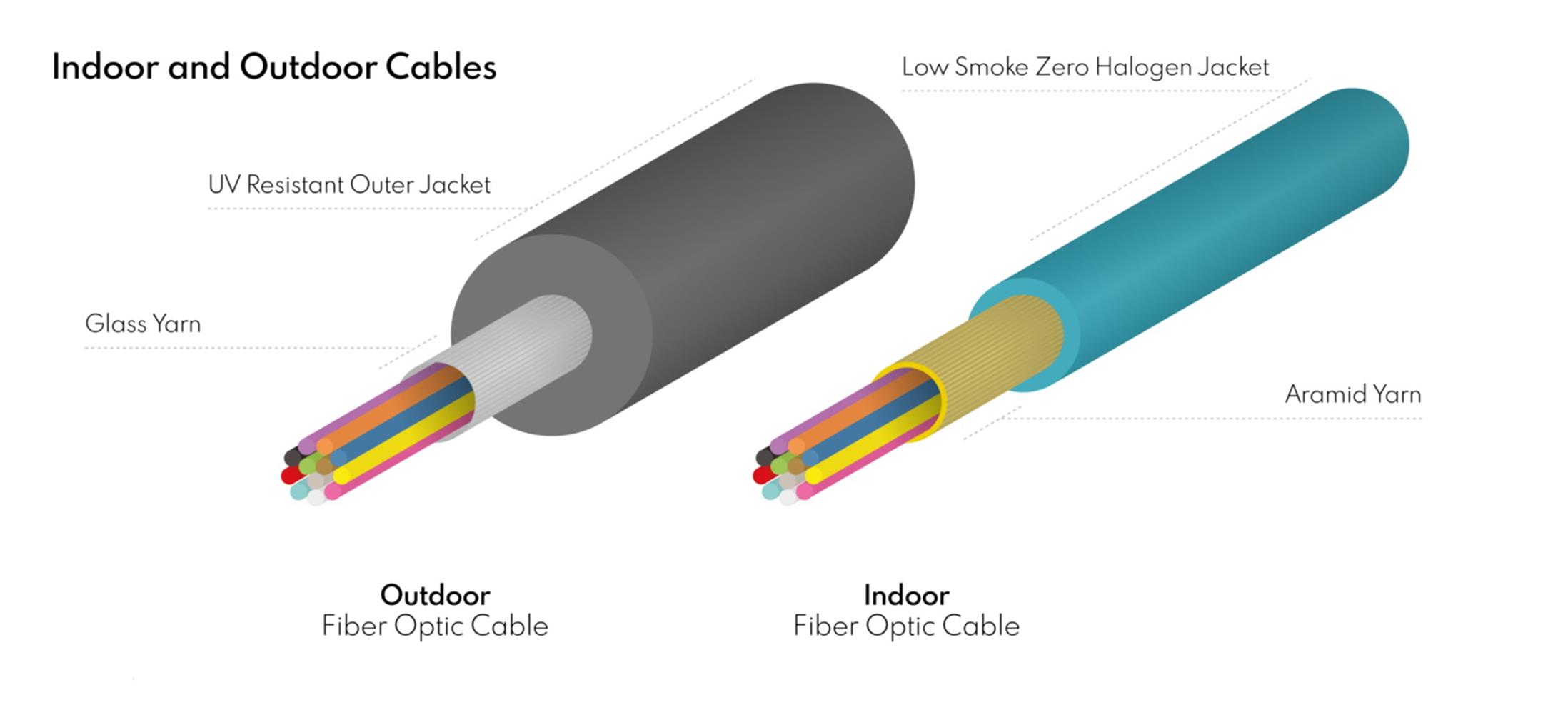
Mainly used in enclosed spaces such as building interiors, data centers, office areas, and residences. The core design points are good flexibility, strict fire safety compliance, and compact volume structure. This type of cable does not need to withstand the impact of extreme outdoor weather but must meet relevant fire safety standards, which can effectively inhibit the generation and diffusion of smoke and toxic gases in the event of a fire. Its common subcategories include distribution, breakout, riser, and plenum fiber optic cables.
Outdoor Fiber Optic Cables
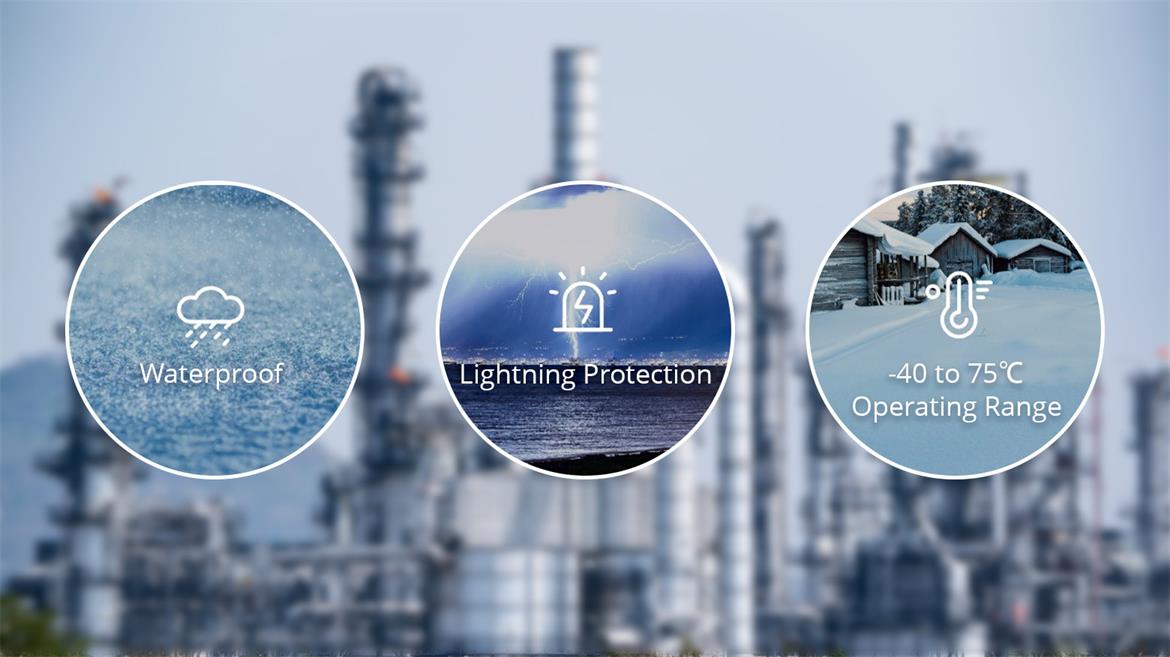
Specifically designed for harsh outdoor environments, they can stably withstand extreme temperature ranges (-40°C to +85°C), humidity, UV radiation, wind and rain erosion, as well as various physical damages such as animal gnawing and construction disturbance. This type of cable has a more robust and heavy overall structure with a complete waterproof and sealing design. Common subcategories include loose tube, aerial, direct burial, and submarine fiber optic cables.
Armored Fiber Optic Cables
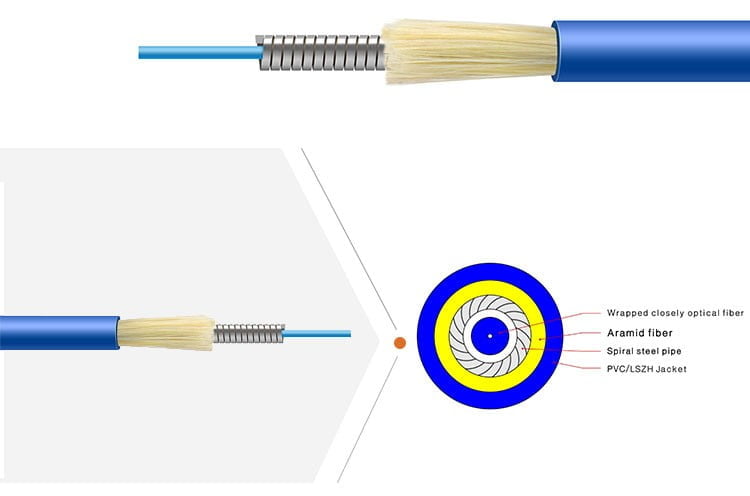
Belong to fiber optic cables with special protection specifications, which can be further divided into indoor armored and outdoor armored types. Its core feature is the addition of an armored protective layer on the outer layer of the cable. The protective materials mainly include steel, aluminum, and aramid fibers, which can effectively resist various external damages such as extrusion, cutting, rodent gnawing, and abrasion. It is mainly used in high-risk environments such as industrial facilities, construction sites, and underground tunnels.
Indoor vs. Outdoor vs. Armored Fiber Optic Cables Comparison
The following table highlights the core differences and key parameters of three types of fiber optic cables.
| Comparisons | Indoor Fiber Optic Cables | Outdoor Fiber Optic Cables | Armored Fiber Optic Cables |
|---|---|---|---|
| Definition | Designed for enclosed spaces (buildings, data centers, residences), focusing on flexibility, fire safety and compactness. | Engineered for harsh outdoor environments, withstanding extreme temperatures, humidity, UV radiation and physical damage. | Special protective cables (indoor/outdoor applicable) with an additional armor layer to resist extrusion, cutting and abrasion. |
| Common Subcategories | Distribution, Breakout, Riser, Plenum Fiber Optic Cables | Loose Tube, Aerial, Direct Burial, Submarine Fiber Optic Cables | Steel Tape Armored (STA), Steel Wire Armored (SWA), Aramid Armored, TPU Armored, Aluminum Armored Cables |
| Structural Design Features | Mainly tight buffered (compact, easy termination); partial loose tube for long-distance indoor runs; no harsh environment protection structures. | Mainly loose tube (gel/dry waterproof, temperature-adaptive); thick outer sheath; built-in strength member for stability. | Based on indoor/outdoor cable structure, adding armor layer (steel/aluminum/aramid); retains basic waterproof/fireproof features. |
| Applicable Operating Environment | Enclosed spaces: building interiors, data centers, offices, residences (no extreme weather, low physical damage risk). | Outdoor spaces: poles (aerial), underground (direct burial), underwater (submarine); harsh weather and environmental pressures. | High-risk environments: industrial facilities, construction sites, underground tunnels; indoor/outdoor with high physical damage risk. |
| Fire Safety Standards | Strict compliance: Plenum OFNP (UL 910), Riser (UL 1666), Conventional (UL 1581); low smoke, non-toxic (LSZH preferred). | Basic flame retardancy; no strict indoor fire standards; focus on waterproof and UV protection. | Indoor armored: same as indoor cables (fire safety compliant); outdoor armored: same as outdoor cables (waterproof/UV resistant). |
| Fiber Type & Count |
Fiber Type: Multi-mode (main), single-mode (for long indoor runs);
Count: 2–144 cores (small to medium scale).
|
Fiber Type: Single-mode (main), multi-mode (for short outdoor runs);
Count: 2–288+ cores (submarine up to 10,000+ cores).
|
Same as matched indoor/outdoor cables;
Count: 2–288 cores (adjusted based on protection and application).
|
| Installation Methods | Duct, cable tray, wall/ceiling wiring; focus on flexibility and easy termination (tight buffered preferred). | Aerial (pole), direct burial (trenching), underwater (laying); focus on tension resistance and environmental adaptability. | Same as matched indoor/outdoor cables; additional protection for harsh installation conditions (rocky, high-traffic). |
| Key Protective Features | Fireproof, low smoke, non-toxic; flexible; compact; no waterproof/UV protection. | Waterproof (gel/dry), UV resistant, high/low temperature resistant; abrasion and rodent damage resistant. | All protective features of matched indoor/outdoor cables + armor layer (anti-extrusion, anti-cutting, anti-abrasion). |
| Advantages | Flexible, easy to install/terminate; fire-safe; compact, suitable for enclosed spaces. | Durable, harsh environment resistant; long-distance transmission; stable outdoor operation. | High physical damage resistance; adaptable to high-risk scenarios; extended service life. |
How to Choose Correct Indoor, Outdoor, Armored Fiber Cables? Key Factors to Consider
Operating Environment
The operating environment is the core prerequisite for fiber optic cable selection, directly determining the core design standards, protection level, and performance parameters of the cable. During the selection process, accurate matching must be achieved in combination with specific installation scenarios:
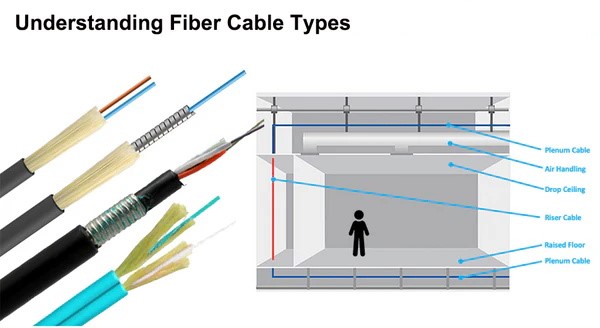
● Indoor Spaces: Focus on fire safety compliance requirements. Among them, plenum cables must be selected for air conditioning duct areas, riser cables for vertical floor wiring, and distribution or breakout cables for conventional horizontal wiring; at the same time, it is necessary to consider the constraints of installation space—highly flexible cables are preferred for narrow areas, and compact cables are preferred for cable tray wiring.
● Outdoor Spaces: Cables must be selected according to specific installation methods—aerial cables for pole overhead wiring, direct burial cables for underground trenching wiring, and submarine cables for underwater transmission wiring; at the same time, full consideration must be given to outdoor environmental pressures, and the selected cables must have complete UV protection, waterproof sealing, and high and low temperature resistance.
● High-Risk Areas: If the cable installation area is at risk of extrusion, cutting, frequent rodent activities, or dense personnel and vehicles, such as industrial zones, construction sites, and underground tunnels, armored fiber optic cables must be preferred to ensure the stable operation and service life of the cables.
Cable Structural Design and Fiber Type
The internal structural design of the cable directly affects signal transmission loss, product flexibility, and termination construction difficulty, while the fiber type (single-mode vs. multi-mode) determines the signal transmission distance and bandwidth carrying capacity. Comprehensive consideration must be given to project transmission requirements during the selection process:
● Loose Tube Type: The optical fiber core is placed inside a flexible waterproof sleeve, and the sleeve is filled with gel or dry waterproof material, which allows the optical fiber to expand and contract freely with changes in ambient temperature, effectively reducing signal loss caused by bending deformation. It is suitable for long-distance wiring scenarios both indoors and outdoors.
● Tight Buffered Type: Each optical fiber core is directly wrapped with a thick buffer protective layer, and there is no gel filling or air gap between the sleeve and the core. The overall cable volume is more compact, and termination construction is more convenient. It is suitable for indoor short to medium-distance wiring scenarios, such as workstation connections and internal wiring of small data centers.
● Fiber Type: Single-mode fiber has a relatively thin core, with long-distance transmission capacity (up to 100km or more) and high bandwidth carrying capacity, suitable for outdoor long-distance trunk transmission and large-scale backbone network applications; multi-mode fiber has a relatively thick core, with lower product cost, suitable for indoor short-distance transmission (up to 2km), such as internal equipment interconnection in data centers and local area network wiring in office areas.
Fire Safety Standards
The selection of indoor fiber optic cables must strictly comply with local fire safety standards, which is the core bottom line for ensuring the safety of personnel life and property. Different application scenarios correspond to different fire safety standard requirements:
● Plenum Cables: Like OFNP Fiber Cables Must comply with UL 910 (US) or equivalent international fire safety standards. Specifically designed for building air conditioning ducts and ventilation interlayers, they emit low smoke during combustion and do not release toxic halogen gases. They are mandatory products for such areas in densely populated buildings such as office buildings, hospitals, and schools.
● Riser Cables: Like LSZH Fiber cables Must comply with UL 1666 (US) or equivalent international fire safety standards. Mainly used for vertical wiring between building floors, they have excellent flame retardancy and low smoke characteristics, which can effectively prevent the spread of fire and smoke between floors and reduce the harm of fire accidents.
● Conventional Indoor Cables: Like PVC Fiber cables Must comply with basic fire safety standards (such as UL 1581 in the US), suitable for ordinary indoor areas that are not air conditioning ducts or risers, such as office workstation wiring and internal wall wiring in residences.
Fiber Count
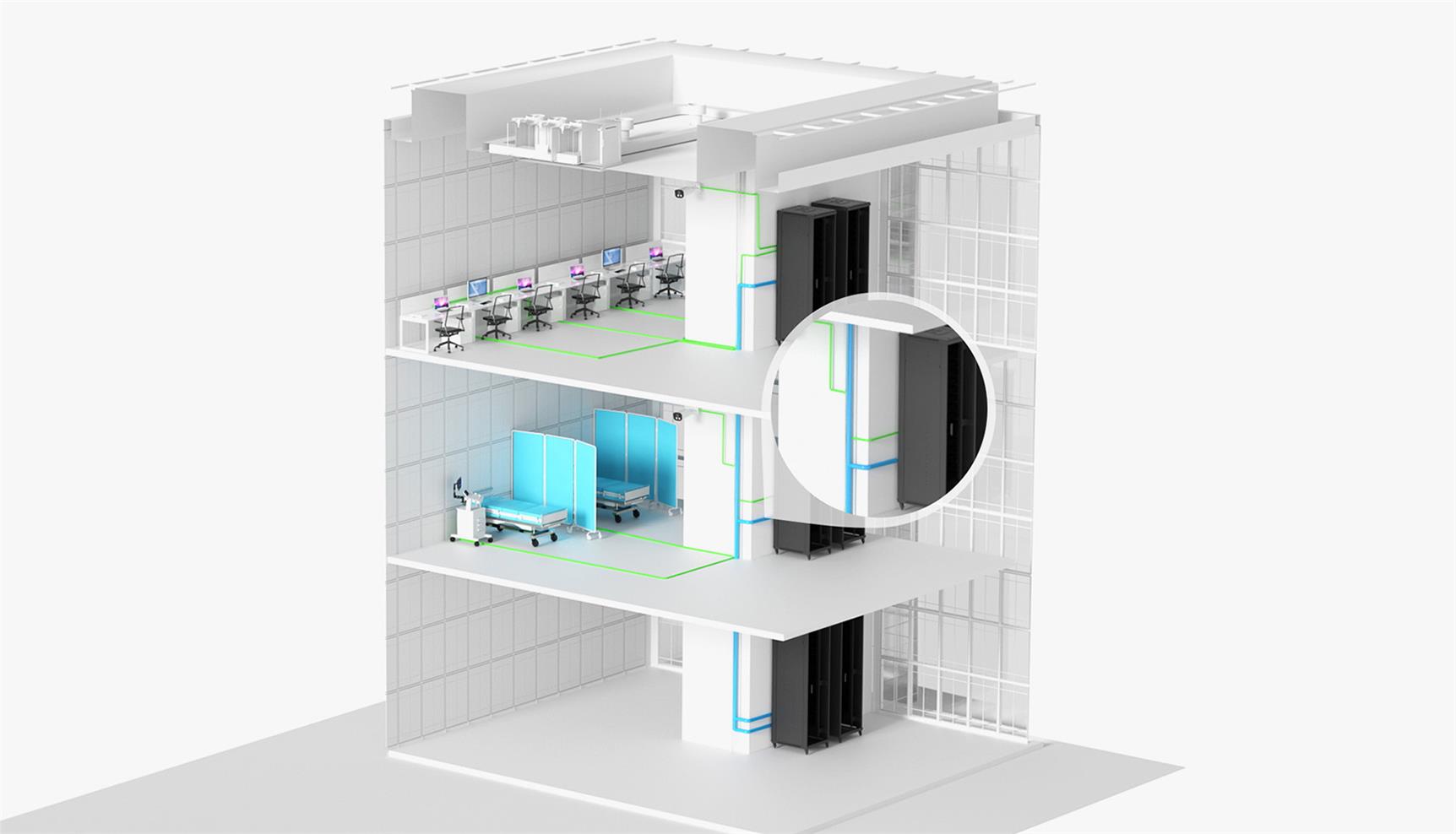
The selection of fiber count must be comprehensively determined in combination with the current transmission needs and future expansion plans of the project. It is recommended to appropriately reserve expansion capacity to avoid cost increases and construction period delays caused by re-wiring due to business expansion in the later stage:
● Small-Scale Application Scenarios (Residences, Small Offices): 2–24 core fiber optic cables are sufficient to meet daily data transmission and communication needs.
● Medium-Scale Application Scenarios (Data Centers, Medium-Sized Commercial Buildings): 24–144 core fiber optic cables must be selected, which can adapt to the parallel transmission needs of multiple devices and multiple links and ensure the stable operation of the system.
● Large-Scale Application Scenarios (Industrial Parks, Long-Distance Transmission Trunks): 144–288 core or higher specification fiber optic cables must be selected; for special scenarios such as submarine cables, the fiber count can be as high as 10,000 cores or more, which can meet large-scale and high-bandwidth data transmission needs.
Installation Method
The installation method directly determines the durability, operational stability, and performance of the fiber optic cable. During the selection process, accurate matching must be achieved according to specific wiring methods and construction conditions:
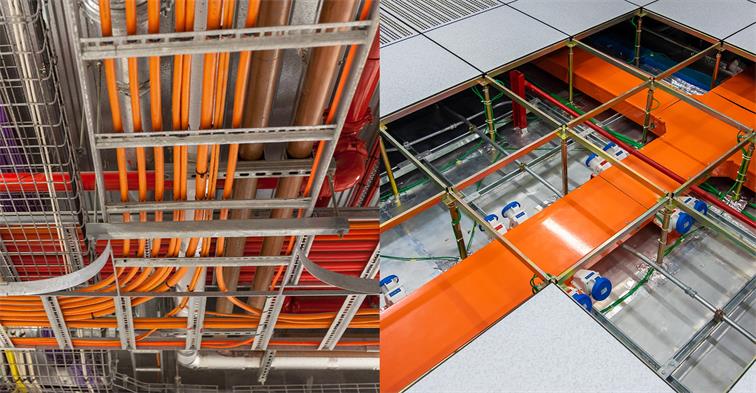
● Duct Wiring: The selected cable must have good flexibility and wear resistance (such as tight buffered and single-sheathed breakout cables), which is convenient for bending and passing through the duct and reduces the risk of cable damage during construction.
● Direct Burial Wiring: The selected cable must be equipped with a thick and durable outer sheath (such as polyethylene PE sheath) and have a complete gel or dry waterproof structure, which can effectively resist soil abrasion, moisture erosion, and chemical corrosion; if the installation area is rocky terrain, heavy-duty direct burial cables must be selected to improve the protection level.
● Aerial Wiring: The selected cable must have a built-in high-strength support member (steel or aluminum) and excellent UV protection performance (such as figure-8 aerial cables and self-supporting aerial cables), which can effectively bear wind loads and wiring tension and ensure long-term stable outdoor operation.
Common Mistakes to Avoid When Choose Fiber Optic Cables
● Mixing Indoor and Outdoor Fiber Cables: Indoor cables are not equipped with UV protection, waterproof sealing, and wear-resistant protective structures. When used in outdoor environments, they will age and be damaged quickly, leading to transmission failures; outdoor cables have high rigidity, and some products do not meet indoor fire safety standards. Using them indoors will pose serious fire safety hazards and affect construction convenience.
● Ignoring Fire Safety Standard Compliance: Selecting non-plenum cables for air conditioning duct areas or non-riser cables for vertical floor wiring not only violates relevant industry norms and fire safety laws and regulations but also intensifies the diffusion of smoke and toxic gases in the event of a fire, expands the scope of accident harm, and requires corresponding legal responsibilities.
● Underestimating Fiber Count Expansion Needs: Determining the fiber count only based on the current transmission needs of the project without reserving a reasonable expansion margin will require re-laying cables during later business expansion, which greatly increases construction costs, time costs, and labor costs, and may affect the normal operation of existing systems.
● Deviation in Fiber Cable Design Type Selection: Selecting tight buffered cables for long-distance wiring scenarios will lead to excessive signal transmission loss and affect transmission quality and distance; selecting loose tube cables for indoor short-distance wiring scenarios will increase termination construction difficulty and procurement costs, resulting in resource waste.

FiberMart Recommended Fiber Optic Cables
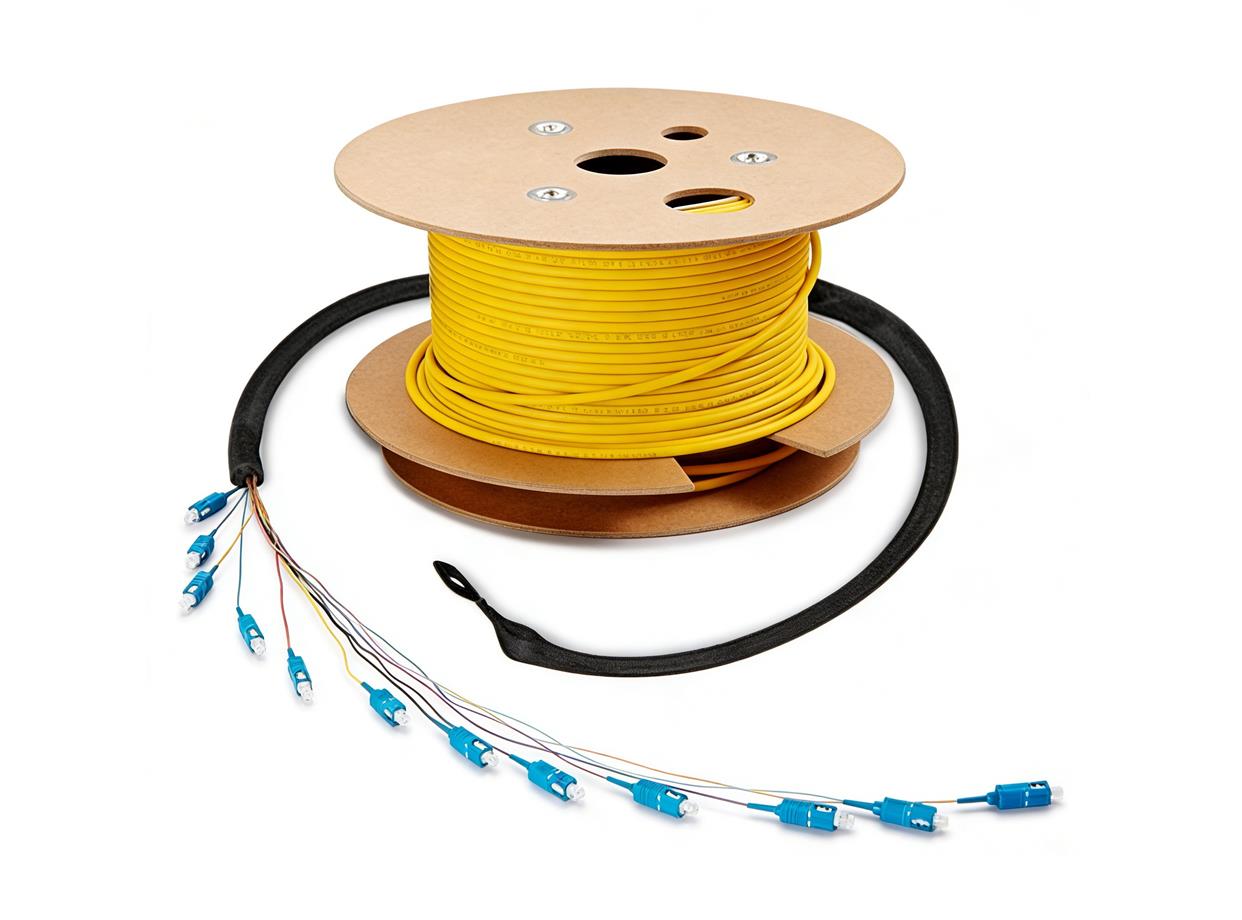
For different application scenarios and project requirements, Fiber-Mart has selected cost-effective and high-quality fiber optic cable products, fully covering the three categories of indoor, outdoor, and armored, which can accurately adapt to various selection needs. Click the links below to view detailed product parameters, technical specifications, and quotation information:
● Indoor Fiber Optic Cable Recommendations:Fibermart Indoor Fiber Patch Cables
● Outdoor Fiber Optic Cable Recommendations:Fibermart Industrial Fiber Optic Cables
● Armored Fiber Optic Cable Recommendations: Fibermart Armored Fiber Cables
Conclusion
The reasonable selection of fiber optic cables lies in the accurate matching of the operating environment, transmission needs, and installation methods, while avoiding various common selection mistakes, so as to ensure stable signal transmission, extend product service life, and reasonably control the overall project cost. Whether it is residences, commercial buildings, data centers, industrial infrastructure, or long-distance transmission trunks, the correct selection of fiber optic cables is the foundation for ensuring the efficient, stable, and safe operation of the communication system.
If you have any questions during the fiber optic cable selection process and need professional technical support, please feel free to contact the professional technical team of Fiber-Mart. Please provide your project application scenario, specific transmission needs, and installation method, and we will tailor an exclusive selection plan for you to help the project land efficiently and operate smoothly.
FAQs
1: Indoor vs Outdoor cables—what’s the difference and how to choose on-site?
Indoor: Flexible, fire-safe (UL standards), no waterproof/UV protection, for enclosed spaces. Outdoor: Durable, waterproof/UV-resistant, thick sheath, for harsh outdoor environments. Choose indoor for buildings; outdoor for aerial/direct burial.
2: Indoor vs Armored fiber cables—when to choose which for construction?
Indoor: Lightweight, easy to route, for standard enclosed areas (offices/data centers). Armored: With steel/aluminum armor, anti-damage, for high-risk indoor areas (industrial sites). Choose indoor for normal use; armored for indoor high-risk sites.
3: Outdoor vs Armored fiber cables—key differences and on-site selection?
Outdoor: Resists weather (temp/humidity/UV), for general outdoor use. Armored (outdoor): Adds armor layer, anti-crushing/cutting, for outdoor high-risk areas (rocky/trenches). Choose outdoor for standard outdoor; armored for outdoor harsh terrain.
4: What cable to use for indoor vertical (inter-floor) wiring, and key notes?
Use riser cables (comply with UL 1666 or equivalent) for flame retardancy and low smoke to stop fire/smoke spread. Key notes: ① Choose cables with fiberglass/steel strength members for tensile resistance; ② Follow bending radius specs to avoid signal loss; ③ Do not mix with ordinary indoor cables (non-compliant with fire standards).
5: How to choose fiber cables and avoid damage for outdoor direct burial in rocky terrain?
Use heavy-duty direct burial cables (double PE sheath + steel armor) to resist rock abrasion/crushing. Key notes: ① Choose gel/dry loose tube cables for waterproofing; ② Lay sand/protective pipe at trench bottom; ③ Bury at least 0.8 meters deep.
6: Correct stripping methods for loose tube/tight buffered cables to avoid fiber damage?
Use professional tools and avoid fiber damage:
● Loose tube: Strip sheath/armor, clean gel, strip fiber buffer; do not overforce.
● Tight buffered: Strip sheath/buffer in one step; adjust stripper tightness; check fiber integrity after stripping.
Note: Wear protective gloves during operation.
7: What cable to use for industrial sites (frequent machinery/rodents), and how to ensure stability?
Use TPU armored Jacket or SWA armored fiber cables (steel wire armor) for maximum protection against extrusion/cutting; corrosion-resistant coating extends life-time. Key notes: ① Route away from machinery (add sleeve if needed); ② Secure with clamps to avoid friction; ③ Use LSZH SWA cables for indoor industrial areas (fire compliance).
For more fiber optic cable information and prices, pls visit Fibermart Fiber Cable Solutions





No comments have been posted yet.