


.webp)


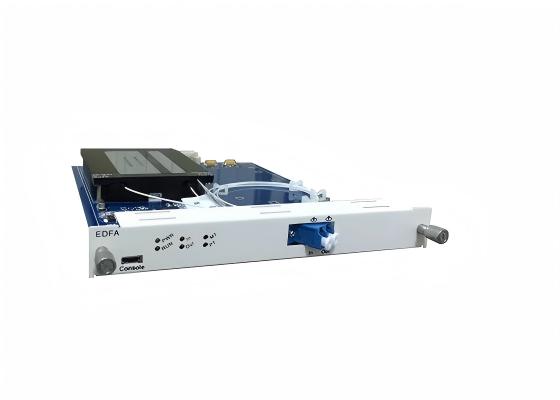
In modern fiber optic telecommunications networks, the EDFA optical amplifier (Erbium-Doped Fiber Amplifier) is likely the most common device used to extend distance and maintain signal quality. Unlike electronic repeaters, EDFA amplifiers amplify optical signals directly without conversion, hence offering excellent system performance and reliability to DWDM systems. However, since they are optical devices, they are prone to issues that lower system performance. Knowledge of common issues and how to fix them is essential in an effort to achieve stable, efficient communications.
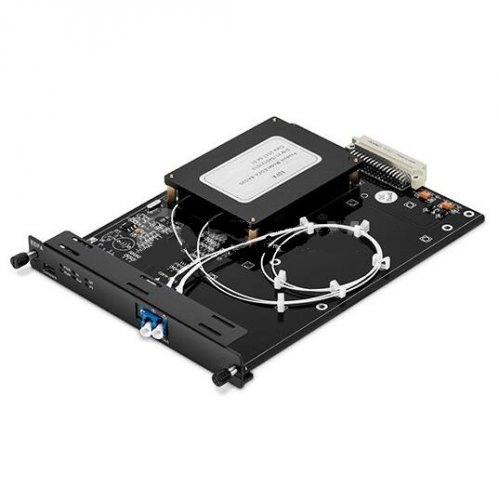
Common Problems in Optical Amplifiers
Optical amplifiers are designed to be reliable, but some failures may occur during long-term operation.
Low Gain or Output Power
Low gain is perhaps the most frequent problem. It may be caused by low input signal power, high insertion loss in fiber optic links, or pump laser degradation.
Too Much Noise Figure
AESE noise can build up in the system, raising the noise figure and lowering the signal-to-noise ratio.
Amplifier Overload
When the optics' input power is too great, the EDFA may saturate and distort or clip the signal.
Sudden Instability or Power Loss
Unstable output levels or abrupt power loss are often caused by unstable pump lasers, defective couplers, or broken fiber.
The Role of Fiber Attenuator in Debugging
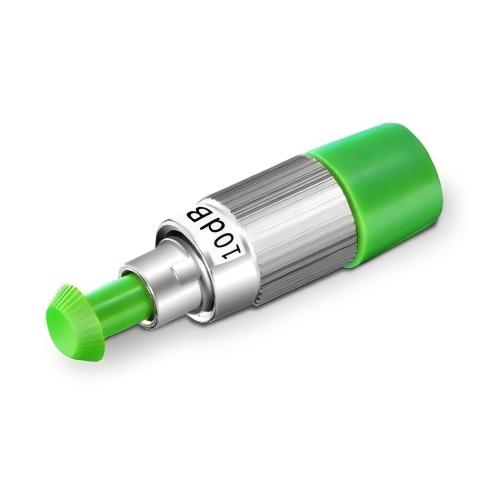
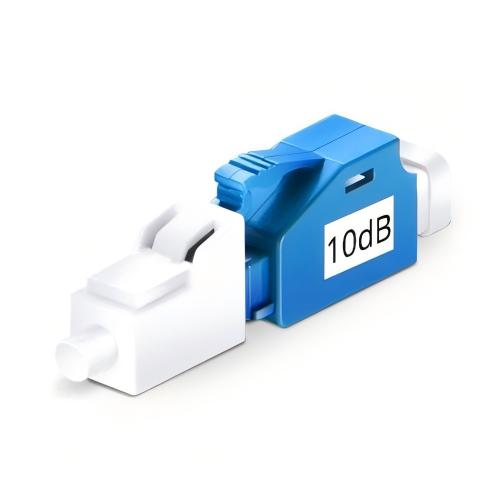
The fiber attenuator plays a vital role in the debugging of some of these problems.
Prevention of Receiver Overload
When there is too much input power for an optical amplifier, the use of a variable or fixed fiber attenuator will decrease the power level and prevent receiver overload and destruction.
Power Balancing in Multichannel Systems
In DWDM systems, the unequal power levels are transported by various wavelength channels. The power of the signal is equalized in all channels by fiber attenuators, and this is also beneficial for greater total system stability.
Testing and Simulation
In maintenance or lab testing, variable fiber attenuators find extensive applications in simulating diverse transmission distances and loss levels to assist engineers in fault determination and in optimizing system configurations.
Step-by-Step Troubleshooting Procedure
- Check Input Optical Power–Check with an optical power meter to make sure the input signal is within the operating range of the EDFA optical amplifier.
- Check Optical Connections–Dirty or loose connectors will result in high insertion loss; cleaning and tightening connections normally resolves power issues.
- Check Pump Laser Status–Check the pump current, voltage, and temperature to ensure the laser is operating within normal limits.
- Add Fiber Attenuator if Necessary–If the system is overloaded, decrease the input power via an available attenuator.
- Test with Spare Optical Amplifier–Outputs are compared with a spare unit to ascertain if the problem is with the EDFA or transmission cable.
Preventive Maintenance Requirements of EDFA Optical Amplifiers
- Schedule routine cleaning of optical connectors to reduce insertion loss.
- Monitor input and output power and noise figure periodically.
- Replace the pump laser, which is aging prematurely before it is fully faulty.
- Use fiber attenuators at maximum input power and save sensitive components from damage.
Advantages of Fiber-Mart Manufacturer
- Choosing Fiber-Mart manufacturers brings clear benefits:
- High-quality EDFA optical amplifiers, fiber attenuators, and other optical amplifier devices with reliable performance.
- Strong R&D and technical support for customized solutions, such as multi-channel power balancing or adjustable attenuators.
- Products undergo rigorous testing and comply with international optical communication standards.
- Reduces system failure rates, lowers maintenance costs, and improves network stability.
Conclusion
The EDFA optical amplifier is critical for optical networks but may experience faults like low gain, noise accumulation, or overload. Using proper monitoring, maintenance, and fiber attenuators, engineers can ensure each optical amplifier operates at peak performance. Selecting Fiber-Mart equipment further enhances reliability, reduces maintenance costs, and ensures long-term network stability.





No comments have been posted yet.