


.webp)


In the fast-paced world of modern telecommunications, fiber optic networks have become the lifeline of global connectivity, enabling high-speed data transmission, seamless video conferencing, and reliable internet access across continents. At the heart of these advanced networks lies a critical component: the Distributed Feedback (DFB) Laser Diode. Unlike traditional laser diodes, DFB laser diodes offer unparalleled precision, stability, and performance, making them indispensable for meeting the ever-growing demands of fiber optic communication systems. This article delves into the working principles, key features, applications, and selection considerations of DFB laser diodes, shedding light on why they are the preferred choice for next-generation communication infrastructure.
Understanding the Working Principle of DFB Laser Diodes
The DFB laser diode stands out from other laser technologies due to its unique design, which integrates a diffraction grating within its active region. This grating, a periodic structure etched into the semiconductor material, acts as a built-in optical feedback mechanism—a key distinction from Fabry-Perot laser diodes that rely on cleaved facets for feedback.
The diffraction grating creates a one-dimensional interference pattern, known as Bragg scattering, which selectively amplifies light of a specific wavelength while suppressing others. This selective amplification ensures that the DFB laser diode emits a narrow, stable wavelength, a critical requirement for fiber optic communications where signal integrity depends on precise wavelength control. The active region, typically composed of quantum well structures, generates light through the recombination of electrons and holes when an electric current is applied. The grating then filters and reinforces the desired wavelength, resulting in a laser output with exceptional spectral purity and low noise.
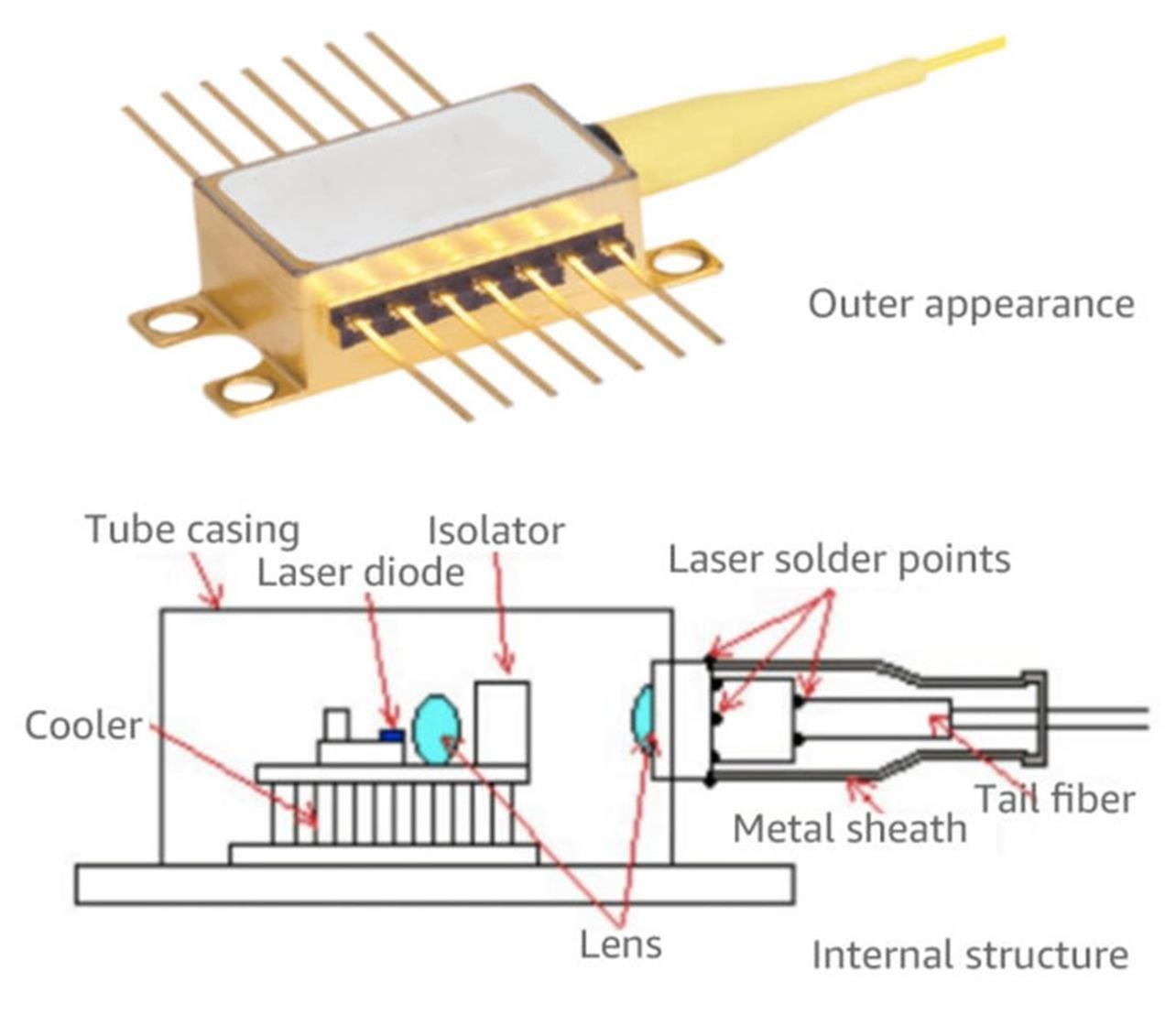
This design not only eliminates the need for external wavelength-stabilizing components but also enables the DFB laser diode to operate reliably over a wide range of temperatures and operating conditions. The integration of additional elements, such as thermoelectric coolers (TECs) and thermistors, further enhances stability by regulating the device’s temperature, ensuring consistent performance even in harsh environments.
Core Features of DFB Laser Diodes for Fiber Optic Communications
DFB laser diodes are engineered to meet the rigorous demands of fiber optic communication systems, boasting a set of core features that make them ideal for high-speed, long-distance data transmission.
Precise Wavelength Control and WDM Compliance
First and foremost is their precise wavelength control, which aligns with international standards set by the International Telecommunication Union (ITU). For Wavelength Division Multiplexing (WDM) systems—the backbone of modern fiber networks—DFB laser diodes support both Coarse WDM (CWDM) and Dense WDM (DWDM) configurations. CWDM systems utilize wavelengths ranging from 1270 to 1610nm, following a 20nm channel grid, while DWDM systems operate in the 1527.22 to 1610.92nm range, adhering to a 100GHz (0.8nm) frequency grid. This compliance ensures seamless integration into existing network architectures, allowing service providers to maximize bandwidth by transmitting multiple signals simultaneously over a single fiber.
High-Speed Modulation and Low Chirp
Another key feature is their high-speed modulation capability. DFB laser diodes can handle data rates in the gigabit-per-second (Gbps) range, making them suitable for applications such as 5G backhaul, cloud computing, and high-definition video streaming. Their low chirp—variations in wavelength caused by modulation—minimizes signal distortion, ensuring that data remains intact even over long distances.
Reliability and Regulatory Compliance
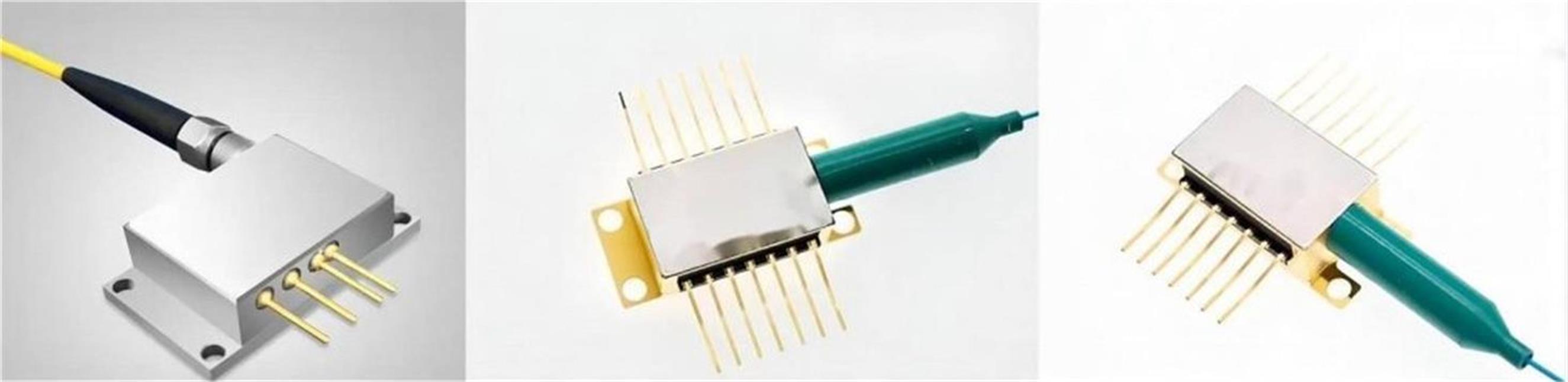
Reliability is also a hallmark of DFB laser diodes. Many models, such as those offered by Fibermart, are Telcordia GR-468 qualified, a certification that validates their performance under strict environmental and operational stress tests. Additionally, compliance with RoHS directives ensures that these devices are environmentally friendly, free from hazardous substances.
Robust Hermetic Packaging
The hermetic 14-pin butterfly package is another critical feature, providing robust protection against moisture, dust, and mechanical damage. This package houses essential components, including a TEC for temperature regulation, a thermistor for temperature monitoring, a monitor photodiode (PD) for output power control, and an optical isolator to prevent back reflections—all of which work together to maintain the laser’s stability and performance.
Applications of DFB Laser Diodes in Fiber Optic Networks
LANs, MANs, and WANs Applications
In LANs, Metropolitan Area Networks (MANs), and Wide Area Networks (WANs), DFB laser diodes serve as the primary light sources for optical transceivers. Their ability to deliver stable, high-speed signals ensures reliable connectivity for businesses, data centers, and residential areas. For example, in data centers, where large volumes of data are transferred between servers, DFB laser diodes enable low-latency, high-bandwidth communication, supporting the growing demand for cloud-based services.
CATV Transmission Systems
Cable Television (CATV) transmission systems also rely heavily on DFB laser diodes. These systems require high-power, stable laser sources to deliver multiple channels of video, audio, and data to millions of subscribers. DFB laser diodes, such as the 30MW 1310nm model, provide the necessary output power and wavelength stability to ensure clear signal transmission over long distances, even in noisy environments.
Long-Haul DWDM Systems
Long-distance DWDM transmission systems are another key application area. By leveraging the precise wavelength control of DFB laser diodes, DWDM systems can transmit dozens of independent signals over a single fiber, significantly increasing network capacity. This is particularly important for intercontinental communication, where undersea fiber optic cables rely on DFB laser diodes to deliver high-speed data across thousands of kilometers.
Specialized and Emerging Applications
Beyond traditional communication networks, DFB laser diodes are also used in specialized applications such as stabilized light sources and modulated light sources for test and measurement equipment. Their ability to generate a narrow, stable wavelength makes them ideal for calibrating optical components and troubleshooting fiber optic networks. Additionally, emerging applications in gas detection, which require precise wavelength tuning, are also leveraging the capabilities of DFB laser diodes.
Selection Considerations for DFB Laser Diodes
Wavelength and WDM Configuration Matching
Wavelength and WDM Compatibility is the first consideration. The chosen wavelength must align with the network’s WDM configuration—whether CWDM or DWDM. For example, a network using CWDM may require a 1310nm or 1490nm DFB laser diode, while a DWDM network may need a diode operating in the 1550nm range with a specific 100GHz channel spacing. It is essential to verify that the diode’s wavelength complies with ITU recommendations to avoid signal interference and ensure seamless integration.

Output Power Requirements
Output Power is another critical factor. The required power depends on the application: short-distance LANs may only need 5MW to 10MW, while long-haul DWDM systems or CATV networks may require 20MW to 30MW or higher. Higher output power enables longer transmission distances but may also increase power consumption and heat generation, so a balance must be struck between power and efficiency.
Package and Output Fiber Selection
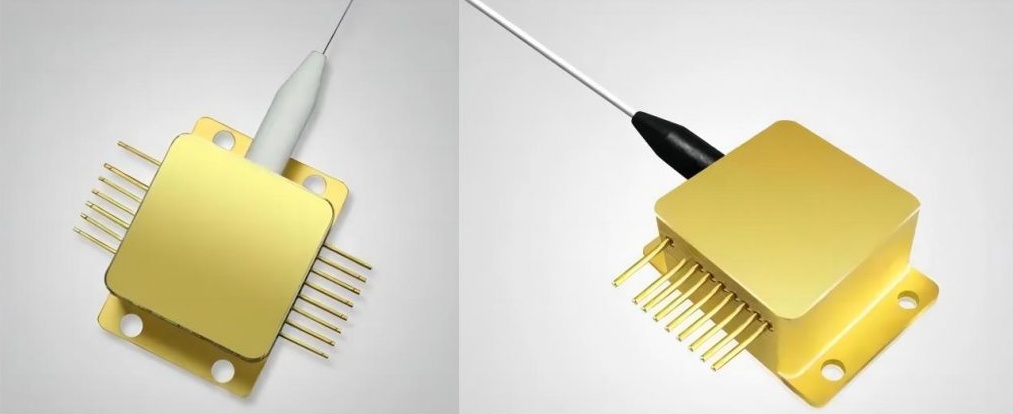
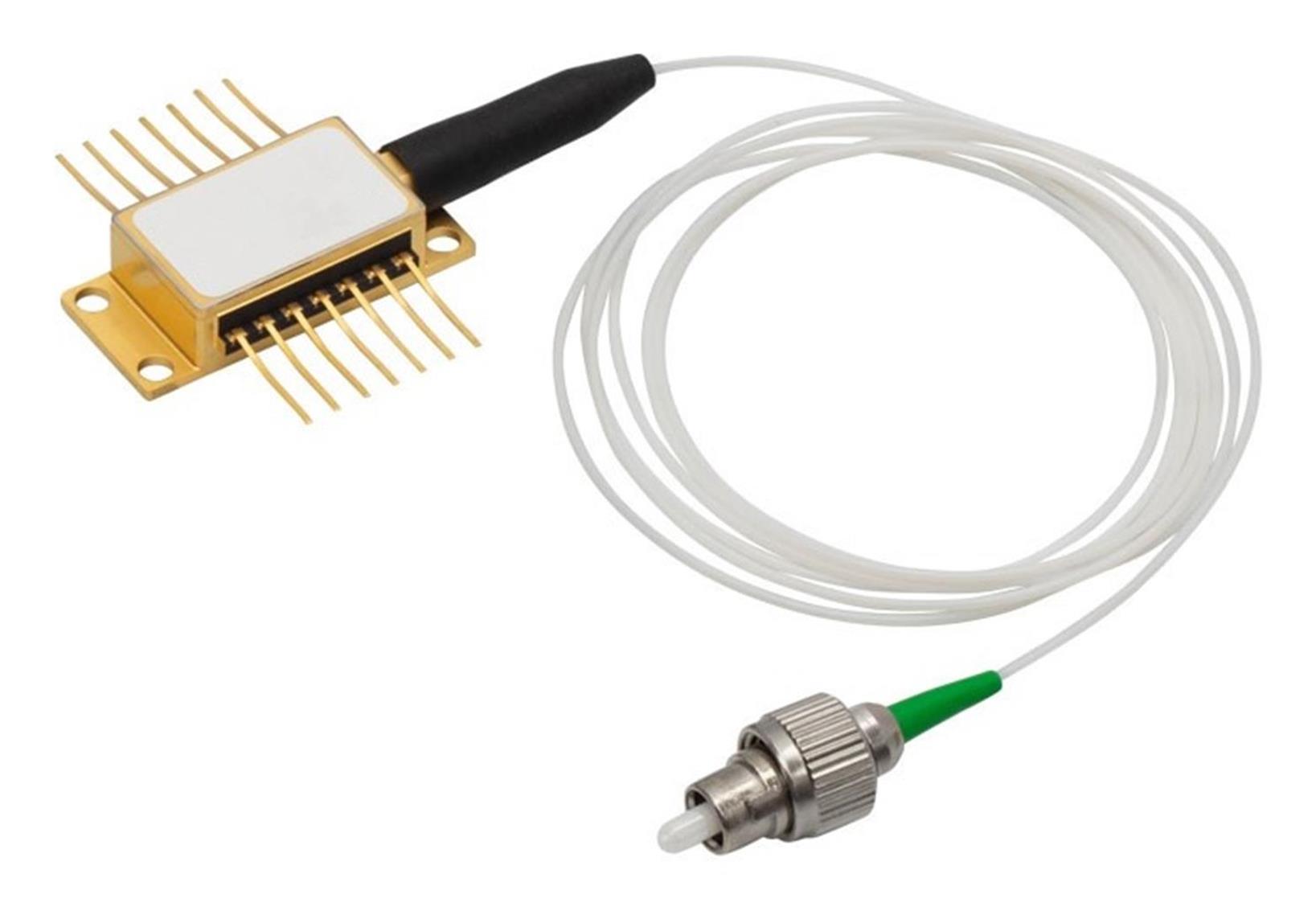
Package Type and output fiber selection are also important. The 14-pin butterfly package is the most common for high-performance applications, offering hermetic sealing and integrated components. However, other packages, such as TO60 or TO56, may be suitable for space-constrained or low-power applications. The output fiber—whether single-mode (SM), polarization-maintaining (PM), or a special fiber—must match the network’s fiber type to minimize signal loss. For example, PM fibers are ideal for applications requiring polarization control, such as coherent communication systems.
Environmental Adaptability and Standards Compliance
Environmental and Operational Conditions should also be taken into account. The DFB laser diode must be able to operate reliably within the network’s temperature range, typically from -40°C to 85°C for industrial applications. The presence of a TEC and thermistor is essential for maintaining temperature stability, while an optical isolator prevents back reflections that can degrade performance. Additionally, compliance with industry standards such as Telcordia GR-468 and RoHS ensures that the diode meets quality and environmental requirements.
DFB laser diodes have revolutionized fiber optic communications, providing the precision, stability, and performance needed to support the world’s growing data demands. From their unique diffraction grating design to their compliance with international standards, these devices are the backbone of modern LANs, MANs, WANs, CATV systems, and long-haul DWDM networks. As technology continues to advance, DFB laser diodes are expected to play an even more critical role in emerging applications such as 6G, quantum communication, and smart cities.





No comments have been posted yet.