


.webp)


Explore the role of NVIDIA cables in reducing latency and enhancing data transfer efficiency. Order NVIDIA cables from Fibermart.
Low-Latency Networking: How NVIDIA Cables Optimize Data Transfer

How can you ensure lightning-fast data transfer in the age of big data and high-performance computing? In the era of big data and high-performance computing (HPC), efficient data transfer is crucial. Traditional networking solutions often introduce latency, significantly impacting performance in applications like HPC, gaming, artificial intelligence (AI), machine learning, and high-frequency trading. NVIDIA, a leading innovator in the technology industry, has addressed this challenge by developing high-speed cables that optimize data transfer for low-latency networking.
Latency: The Bottleneck in Data Transfer
Latency, measured in milliseconds (ms) or microseconds (µs), refers to the time it takes for data to travel from the source to the destination. In networking, low latency is crucial as it ensures that data packets reach their intended targets with minimal delay. High latency can lead to slow responses, affecting the performance of applications that require real-time data processing.
For instance, in HPC environments dealing with massive datasets, high latency can lead to longer processing times and hinder scientific progress. Similarly, in real-time applications like online gaming or autonomous vehicles, latency can cause delays in response times, potentially leading to frustrating experiences or even safety hazards.
Factors Influencing Latency
Distance: The physical distance between devices can impact latency, as signals take time to travel through cables or over wireless connections.
Network Congestion: High network traffic can cause delays as data packets compete for bandwidth, especially in shared networks or during peak usage times.
Hardware Delays: Processing delays within networking equipment, such as routers, switches, and modems, can add to latency.
Protocol Overheads: The protocols used to transmit data, such as TCP/IP, introduce additional processing time for packet headers and error-checking.
Packet Loss: When packets are lost or need to be retransmitted due to errors or congestion, it can increase latency.
Network Configuration: The way networks are configured, including routing paths and Quality of Service (QoS) settings, can affect latency.
Server Performance: The responsiveness of servers and endpoints, including processing power and workload, can influence latency.
Type of Transmission Medium: Different types of transmission media (e.g., fiber optics, copper cables, wireless) have varying latency characteristics.
Fiber optic cables generally have lower latency compared to copper cables due to higher signal transmission speeds and lower signal degradation.
Geographical Location: Latency can be influenced by the geographical location of servers, clients, and network infrastructure.
Environmental Factors: Environmental conditions like electromagnetic interference (EMI) and physical obstructions can impact signal quality and contribute to latency.
Software and Application Design: The design and efficiency of software applications can impact how data is transmitted and received, affecting latency.
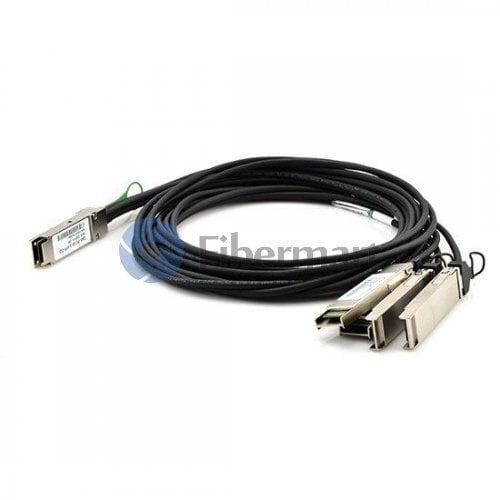
How NVIDIA Cables Optimize Data Transfer
NVIDIA tackles the challenge of latency by focusing on the physical layer of the network – the cables themselves. Traditional copper cables, while widely used, have limitations in terms of signal transmission speed. As data rates increase, these limitations become more pronounced.
Here's a closer look at the key features that differentiate NVIDIA cables from traditional options:
1. High-Performance Materials
NVIDIA cables utilize advanced materials with superior signal transmission characteristics. These materials exhibit lower electrical resistance and reduced signal degradation compared to copper, leading to faster signal propagation and lower latency. Examples include:
Optical Fibers: These cables transmit data as light pulses, offering significantly lower signal attenuation and faster transmission speeds over long distances compared to copper.
Specialty Copper Alloys: Certain copper alloys possess improved electrical properties compared to standard copper, enabling faster signal propagation with minimal latency increase.
2. Optimized Cable Design
Beyond material selection, NVIDIA cables incorporate design elements that further minimize latency. These include:
Reduced Cable Length: Shorter cables inherently offer lower signal propagation delay. NVIDIA cables are available in various lengths to cater to specific network configurations, minimizing unnecessary cable runs.
Shielding and Grounding: Effective shielding and grounding techniques prevent electromagnetic interference (EMI) that can disrupt signal integrity and introduce latency. NVIDIA cables employ robust shielding and grounding mechanisms to ensure reliable data transmission.
3. Advanced Signal Processing
In conjunction with superior cable materials and design, NVIDIA leverages cutting-edge signal processing techniques. These techniques can include:
Equalization: This process compensates for signal distortion that occurs during transmission, ensuring clean and accurate data reception at the receiving end.
Forward Error Correction (FEC): FEC algorithms introduce redundant data into the transmitted signal, allowing for error detection and correction at the receiver side. They minimize the need for data retransmission, thereby reducing latency.
Benefits of NVIDIA’s High-Speed Cables
Reduced Latency: The primary benefit of NVIDIA cables is the significant reduction in data transfer latency. This translates to faster communication between computing nodes, enabling applications to process data and complete tasks more efficiently.
Improved Performance: Lower latency directly translates to enhanced system performance. HPC applications, data analytics workloads, and real-time communication platforms all benefit from the speed boost provided by NVIDIA cables.
Increased Scalability: As data center requirements grow, NVIDIA cables enable seamless network scaling to accommodate additional computing nodes without compromising performance. The low-latency capabilities ensure efficient data transfer even in large-scale deployments.
Enhanced Reliability: The use of high-quality materials and robust signal processing techniques in NVIDIA cables contributes to improved data transmission reliability. This minimizes the risk of errors and ensures data integrity throughout the network.
Active cable technology: In some cases, NVIDIA employs active cable technology, where chips are embedded within the cable itself. These chips can amplify signals, compensate for signal loss, and actively manage data transmission, leading to even lower latency.
Simplified network setup: NVIDIA cables often require minimal configuration compared to traditional networking solutions. This reduces setup time and complexity, making them easier to integrate into existing infrastructure.
Reduced power consumption: Some NVIDIA cables, particularly Direct Attach Copper (DAC) cables, consume minimal power compared to active network components like switches. This translates to lower operating costs and a more environmentally friendly solution.
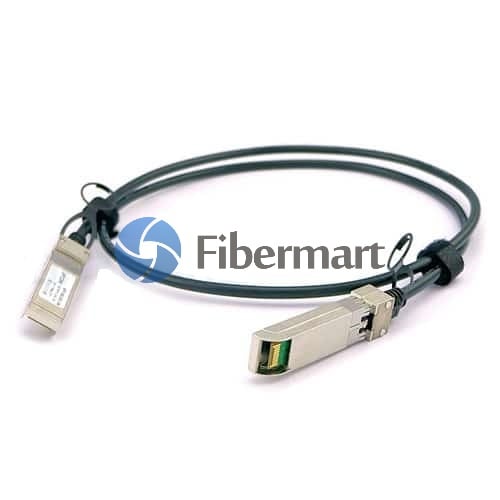
Upgrade Your Network with NVIDIA Cables at Fibermart
Fibermart, your trusted partner for high-performance networking solutions, offers a comprehensive selection of NVIDIA cables designed to optimize data transfer for low-latency environments.
Built for speed and reliability, NVIDIA cables offer low-latency connectivity, ensuring minimal delays and optimal performance for your critical applications.
Whether you're looking to enhance your gaming experience, streamline data center operations, or meet the demands of today's high-performance computing environments, high-speed NVIDIA cables from Fibermart provide the cutting-edge technology needed to stay ahead.
Explore our collection of advanced low-latency networking technology or set up a consultation with our experts to discuss your specific needs and find the perfect solution for your networking requirements.





No comments have been posted yet.