


.webp)


Learn how to integrate an Erbium-Doped Fiber Amplifier (EDFA) into your fiber optic network to enhance signal strength and transmission distance.
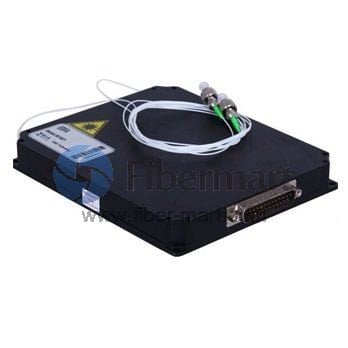
Data transmission over fiber optic cables has revolutionized how we connect and communicate. However, as the demand for faster and more reliable networks continues to grow, signal degradation over distance poses a significant challenge.
If you want your fiber optic network to transmit data over hundreds of kilometres without a hitch, and maintaining high speed and signal integrity, you need Erbium-Doped Fiber Amplifiers (EDFAs). These powerful devices are the backbone of modern communication systems, amplifying light signals and enabling seamless data flow over vast distances.
Lets explore how to integrating an EDFA into your fiber optic network, including installation tips, maintenance advice, and practical insights to ensure optimal performance.
What is an EDFA?
An Erbium-Doped Fiber Amplifier (EDFA) is an optical amplifier used to boost the signal in a fiber optic system. It works by using erbium ions, which are doped into a fiber made of silica.
When pumped with light, typically from a laser at 980 nm or 1480 nm wavelengths, these erbium ions become excited. The excitation of these ions amplifies the signal passing through the fiber, enabling it to travel over longer distances without significant degradation.
EDFA technology has been a game-changer since it was first introduced in the 1990s, particularly for dense wavelength division multiplexing (DWDM) systems that carry multiple signals on a single optical fiber.
EDFA’s ability to amplify optical signals without the need to convert them to electrical signals has made it a preferred solution in long-haul communications, submarine networks, and high-speed internet infrastructure.
Why You Should Use an EDFA
An EDFA can significantly improve the performance of your fiber optic network. Here are a few reasons why incorporating one into your network could be highly beneficial:
Increased Transmission Distance: EDFA allows signals to travel over much longer distances, reducing the need for intermediate electrical amplifiers or regenerators. This is particularly useful in long-haul fiber optic communications, where signal degradation due to fiber loss is a concern.
Enhanced Signal Quality: EDFA amplifies the signal without introducing much noise or distortion, ensuring that data integrity is maintained over long distances.
Cost Efficiency: By eliminating the need for multiple regeneration stages and reducing the number of repeaters, EDFAs can help lower operational costs.
Scalability: EDFAs enable easier scalability for growing networks. As bandwidth demands increase, you can simply add additional amplifiers without major modifications to your infrastructure.

Key Factors for Integrating an EDFA into Your Network
When integrating an EDFA into your fiber optic system, it is crucial to consider several key factors to ensure optimal performance and seamless integration.
Location of the EDFA
The placement of your EDFA within your network plays a critical role in maximizing its effectiveness. Typically, EDFAs are placed at the mid-span of long-distance fiber links. This location ensures that the amplifier can boost the signal before it encounters too much attenuation over distance. If you are using multiple EDFAs in a network, ensure they are spaced properly to reduce signal loss between amplifiers.
Choosing the Right EDFA
Selecting the appropriate EDFA depends on your specific application and network requirements. Here are a few factors to consider:
Wavelength Range: EDFAs are optimized for different wavelength bands, typically the C-band (1530-1565 nm) and L-band (1570-1610 nm). The C-band is more common in telecommunications, while the L-band can provide additional capacity for DWDM systems.
Gain Characteristics: EDFAs come in various gain levels, typically ranging from 10 dB to 40 dB or higher. Choose an amplifier with a gain that matches the loss characteristics of your fiber link.
Noise Figure: A lower noise figure means less signal distortion. When selecting an EDFA, look for one with a noise figure of 5 dB or lower for high-quality performance.
Amplifier Power Requirements
EDFAs require power to operate the pump lasers that excite the erbium ions. Ensure your network design accounts for the electrical power needed to run these devices. Most EDFAs operate at standard voltages, but make sure you check the power requirements based on the specific model.
Signal and Gain Control
To prevent signal over-amplification or distortion, automatic gain control (AGC) is essential. AGC ensures that the EDFA amplifies signals to the optimal level, keeping them within the desired power range without exceeding the amplifier's linear operation.
Installation Tips for EDFA Integration
Integrating an EDFA into a fiber optic network requires careful planning and precision to ensure optimal performance. Here are some essential installation tips:
Site Preparation: Ensure that the installation site meets environmental requirements such as temperature control, humidity control, and minimal vibration. EDFAs should be housed in clean, temperature-regulated enclosures to prevent damage and ensure long-term stability.
Choosing the Right EDFA: Select an EDFA with specifications that match the requirements of your network, such as output power, noise figure, and gain flatness. A well-suited EDFA will help you achieve consistent performance.
Need help? Set up a consultation with us!
Fiber Handling: Proper handling of the optical fiber is crucial to prevent bends, kinks, or microbends, which can cause signal degradation. Use appropriate fiber management tools and ensure that the fibers are routed smoothly without sharp curves.
Connector Quality: The connectors used to join the EDFA to the optical fiber should be of high quality to minimize insertion loss and reflection. Cleave fibers precisely and use clean, high-performance connectors.
Amplifier Placement: Position the EDFA strategically within the network to maximize its effectiveness. Typically, EDFAs are placed at intervals based on the network’s link budget and the attenuation rate of the fiber. Ensure that the amplifier is located after sections of the network that experience significant signal loss.
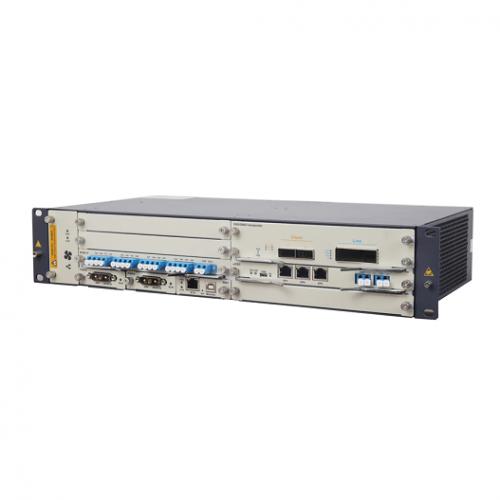
Practical Steps for Installation
Pre-Installation Testing: Before integrating the EDFA, perform a pre-installation test to measure baseline signal strength and identify areas of significant signal loss. This will help you calibrate the amplifier to achieve optimal gain. Installation of EDFA: Mount the EDFA securely in its designated enclosure and connect the input and output fibers to the amplifier using precise splicing techniques. Ensure that the connections are clean and free from contamination. Power and Control Setup: Connect the EDFA to the power supply and configure the amplifier using the built-in control panel or software interface. Adjust the gain and output power to match the network’s requirements. Monitoring and Calibration: Once installed, monitor the output power and noise figure. Utilize network monitoring tools to assess real-time performance and make any necessary adjustments to the EDFA configuration |
Maintenance Advice for Long-Term EDFA Performance
Regular maintenance is vital to ensure that your EDFA continues to function at peak performance. Here are key maintenance practices:
Routine Inspections: Periodically inspect the EDFA unit for signs of wear, damage, or dust accumulation. A clean, well-maintained unit will perform better and last longer.
Optical Fiber Cleaning: Clean optical fibers using appropriate cleaning solutions and tools to avoid signal degradation due to contamination.
Temperature Control: EDFAs should operate within a specified temperature range. Install temperature sensors and cooling systems if necessary to maintain optimal conditions.
Firmware Updates: Keep the amplifier's firmware up to date to leverage performance improvements and new features.
Monitoring System Checks: Regularly check the network’s monitoring system to ensure that the EDFA is operating within the expected parameters. This helps detect any issues before they affect overall network performance.
Take Your Fiber Optic Network to the Next Level
Integrating an Erbium-Doped Fiber Amplifier (EDFA) is a smart move for boosting signal strength, extending transmission distances, and maintaining top performance. Whether you're expanding your network or upgrading existing infrastructure, EDFAs can help you meet the demands of modern connectivity with ease.
Explore high-quality EDFA solutions at Fibermart to find the perfect fit for your network’s needs. Contact our team of experts today to learn how we can support your network’s growth and ensure long-term efficiency.
Order now for fast shipping on your doorstep.





No comments have been posted yet.