


.webp)


In today’s world, networks are everywhere, in offices, data centers, schools, and even homes. But building these networks often means dealing with limited space. That’s where compact fiber transceivers come in. These small devices transmit data over optical fiber and do the same things as larger transceivers, but they take up much less space. For places where space is tight, like a crowded server room or small office, compact fiber transceivers are a great fit. Let's take a look at how they work, when they should be used, and why their small size matters.
What is a Compact Fiber Transceiver?
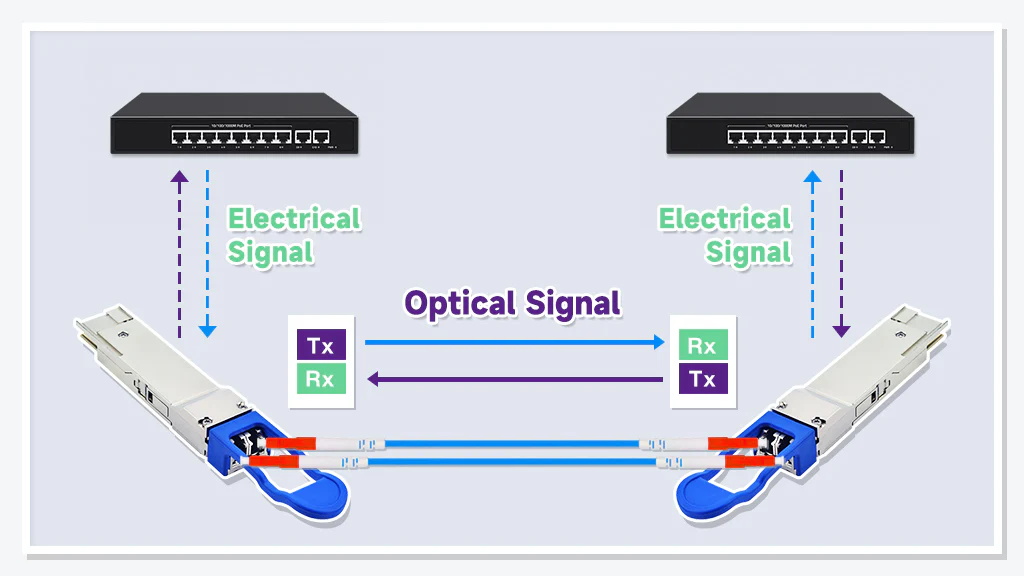
Basic Functions
Fiber transceivers also convert electrical signals (from routers, computers, etc.) into optical signals to be sent via optical fibers and then converted back into electrical signals at the other end. This allows data to be transmitted quickly over a long distance. Compact fiber transceivers do the same but are much smaller, about the size of a matchbox, while large transceivers are as big as a book.
Design Features
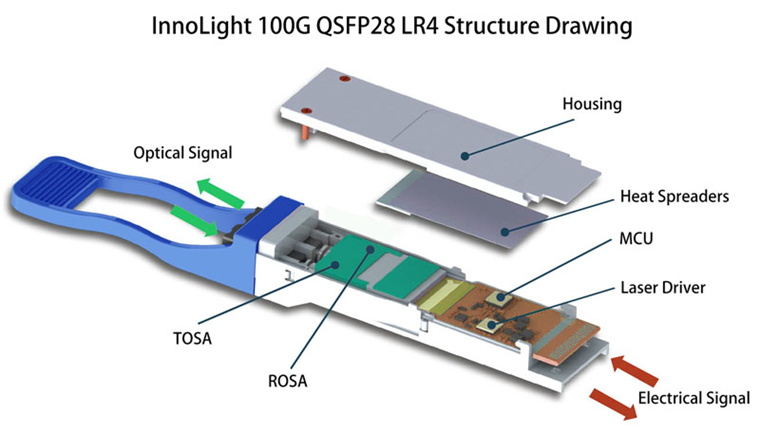
Fiber optic transceiver modules are compact in size owing to streamlined internal components and efficient engineering design. They can typically be inserted into the network switches or routers' standard slots without taking up extra space. Fibermart's fiber transceiver products are hot-swappable, meaning they can be inserted and removed without powering down the network, making it convenient to construct or mend the network in a snap. The enclosure is usually made of durable metal to protect the internal components from dust and minor impacts for long time use.
The Importance of Saving Space in Network Construction
Crowded Data Centers
With thousands of servers and network equipment in data centers, every inch counts. Large transceivers take up more space in the rack, limiting the amount of equipment that can be accommodated. A 19-inch standard rack, for example, can accommodate 24 compact fiber transceivers when 8 large transceivers are usually housed. This enables the data center to fit more equipment in the same space, with additional capacity without expanding the building.
Small Offices and Enterprises
Small offices may have limited space for network equipment—perhaps a closet or small server rack. Compact fiber transceivers sit well in such small spaces, eliminating cluttered wires and bulky equipment. For example, a 10-person design studio can place a compact fiber transceiver into the corner of a server closet, keeping the space tidy while continuing to have fast file transfers between workstations. It keeps the network organized and frees up more space for other office needs.
Outdoor and Remote Locations
Some networks require transceivers to be installed in outdoor boxes or remote sites. Space is very limited in these locations. Compact fiber transceivers are designed to fit into compact housings, protecting the device from the weather while saving space for other necessary equipment. In rural areas where infrastructure is scarce, a compact fiber transceiver in a waterproof box can connect rural schools to the Internet without taking up a lot of space on utility poles.

Benefits Beyond Space Saving
Easy to Install and Move
The small size makes it easy to operate. No special tools are required for installation, and the light weight makes it easy to carry when setting up a temporary network, such as at an event or construction site. The team setting up a temporary Wi-Fi network for a music festival can quickly plug in the compact fiber transceiver to connect different stages and ensure smooth communication.
Energy Efficient
Compact fiber optic transceivers use less power than larger transceivers. On average, compact fiber optic transceivers use 3-5 watts, while larger ones use 8-10 watts. This can reduce electricity bills in the long run - for a data center with 1,000 transceivers, this can save 5,000-7,000 watts an hour, which is a tremendous amount of savings. This saves both small companies and large data centers money.
Reliable Performance
Though small, compact fiber transceivers are just as good as their larger equivalents. They offer high-speed data transmission (up to 10 Gbps and higher) and excellent signal quality over long distances. A compact transceiver connecting two office buildings two kilometers apart can transmit video calls and large files just as well as a larger device. This makes them a reliable choice for any network.
Common Applications in Different Scenarios
Enterprise Network
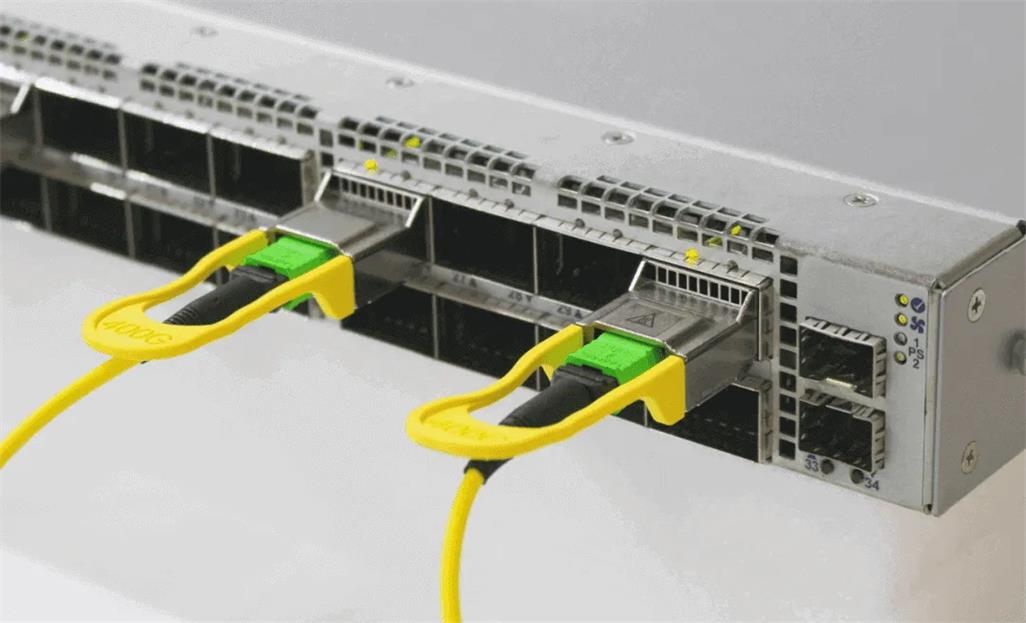
Offices utilize compact fiber optic transceiver modules to connect different floors or departments. Its small form factor keeps the server room tidy, while its reliability ensures unbroken video calls, file transfer, and Internet surfing. A 10-story office building can utilize compact fiber transceivers in the main server room to connect the networks of each floor without placing bulky equipment on each floor.
Data Centers
Compact fiber optic transceivers are employed to connect servers and storage devices. By saving space, data centers can handle more data traffic, which is essential for large companies or cloud services. Cloud providers prefer to use them since they can establish more connections between servers, ensuring that users around the world can quickly access stored data.
Education and Healthcare
Hospitals and schools need reliable networks, but often have limited space for equipment. Compact fiber transceivers fit into small IT rooms to support online classes, patient records, and medical device connectivity. A small rural clinic IT closet can house a compact fiber transceiver to connect an electronic health record system to a central hospital, ensuring quick access to patient data without taking up valuable space.
Conclusion
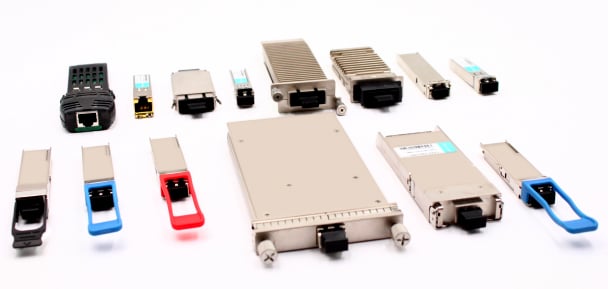
Compact fiber transceivers are not just small network devices but also smart solutions for limited space. They carry out the tasks of larger transceivers but take up less space, making them ideal for data centers, small offices, and remote locations. Not only are they space-saving, but they are also easy to install, energy-efficient, and highly reliable. If you own a small enterprise or manage a large network, these transceivers can help to build a more streamlined, better network without occupying much space. FiberMart offers a full range of optical fiber transceivers for sale, such as QSFP28, QSFP+, SFP28, QSFP-DD, SFP+ transceivers, and many others. They are backed by a lifetime warranty so you can buy with confidence. We can also customize optical fiber transceivers to meet your specific requirements. Looking forward to working with you.





No comments have been posted yet.