


.webp)


Before delving into transceiver selection, it is essential to clarify what constitutes a High Density Network (HDN) in the context of ISP and data center operations. A High Density Network refers to a network infrastructure characterized by a high concentration of network ports, devices, and data transmission paths within a limited physical space—typically measured by the number of ports per unit rack (e.g., 1U/2U switches with 48+ ports). HDNs are designed to handle massive concurrent data traffic, support a large number of connected endpoints (such as servers, storage devices, and network nodes), and maximize bandwidth utilization per square meter of rack space. Common applications of HDNs include hyperscale data centers, ISP backbone nodes, large-scale AI/HPC clusters, and enterprise core networks, where space efficiency, high throughput, and scalability are paramount.
For ISP and data center engineers, high-density network deployments—characterized by dense port configurations, massive concurrent data traffic, and strict space/energy constraints—pose unique challenges in optical transceiver selection. The core goal is to achieve optimal throughput, reliable compatibility, and cost efficiency while adapting to the evolving demands of cloud services, AI computing, and high-volume user data transmission. This article is tailored to help engineers navigate the decision-making process, focusing on critical factors that directly impact the performance and scalability of high-density network infrastructures.
Design Principles for High-Density Transceiver Selection
High-density networks differ fundamentally from traditional low-density setups, requiring transceivers that balance three core principles: space efficiency, bandwidth scalability, and operational stability. Unlike standard networks, where individual transceiver performance may take priority, high-density environments demand components that work seamlessly in clustered configurations, minimize rack space occupancy, and reduce cumulative energy consumption and heat generation.
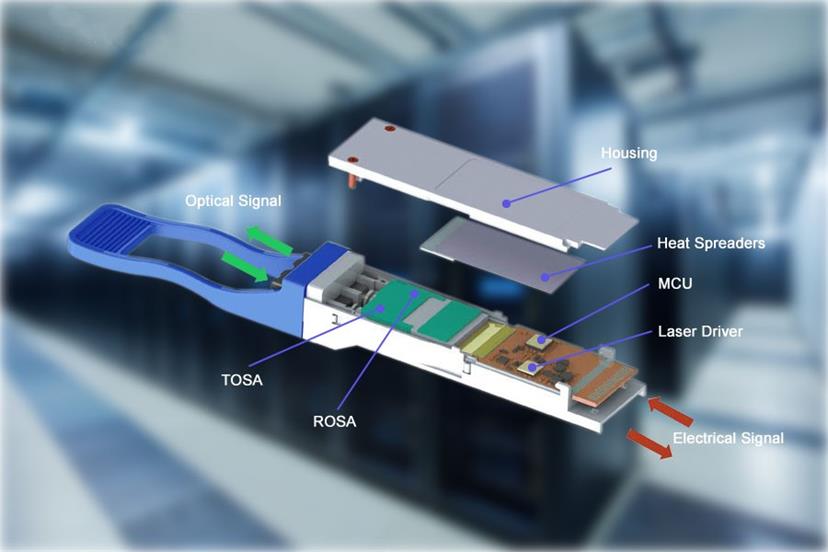
For ISP backbone nodes and large data centers, these principles translate to specific requirements: transceivers must fit compact switch form factors, support high data rates per port, maintain low power consumption, and withstand the elevated temperatures of dense rack environments. Overlooking any of these principles can lead to bottlenecks, increased operational costs, or premature equipment failure.
Data Rate Selection
Key Considerations for Data Rate Planning
In high-density networks, data rate selection is not merely about choosing the fastest available option—it requires aligning port bandwidth with the actual traffic patterns of the network segment. For example, access-layer switches connecting servers to top-of-rack (ToR) devices have different throughput needs than core-layer switches handling ISP backbone traffic or AI cluster interconnections.
A critical mistake in high-density deployments is over-provisioning data rates, which unnecessarily increases costs, or under-provisioning, which creates bottlenecks when traffic scales. Engineers must conduct a thorough analysis of current traffic loads and future growth projections, as high-density networks often expand rapidly with the addition of new servers, services, or user bases.
.jpg "Optical Transceiver Types and Transmission Rate")
Optimal Data Rates for High-Density Scenarios
The following data rates are optimized for specific high-density use cases, balancing performance and cost for ISP and data center applications:
| Network Speed | 25Gbps | 100Gbps | 400Gbps | 800Gbps/1.6T |
|---|---|---|---|---|
|
Application Layer / Scenario |
Access-layer high-density switches | Aggregation-layer switching | Hyperscale data centers & core ISP backbone nodes | Cutting-edge AI data centers, HPC clusters, future-proofed ISP backbones |
| Usage Description | Ideal for 48+ ports per 1U chassis, supporting server-to-switch links in enterprise data centers and ISP edge facilities. | The workhorse for connecting ToR switches to spine switches in mid-sized data centers and ISP regional backbones. | Delivering high-capacity interconnects for massive traffic aggregation. | Supporting ultra-high-speed data transmission for compute-intensive workloads. |
Notably, 800Gbps transceivers have emerged as a critical component for AI and HPC environments, enabling faster data transfer between dense node clusters and significantly boosting processing efficiency. FiberMart offers a comprehensive portfolio of transceivers across all these data rates, tailored to the unique constraints of high-density deployments.
Form Factor and Connector
Form Factor Selection for Space Optimization
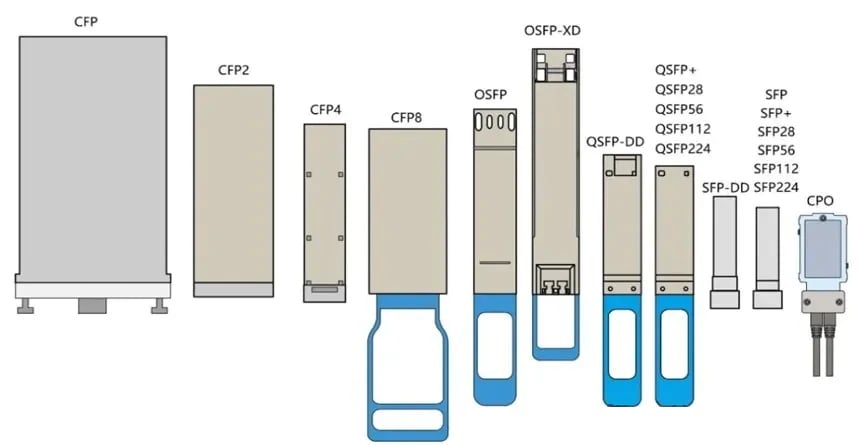
Form factor is the cornerstone of high-density transceiver selection, as it directly determines how many ports can be accommodated in a single switch chassis. Compact form factors are essential to maximize port density without expanding rack space, which is a premium resource in data centers and ISP facilities.
Engineers must prioritize form factors that are compatible with their existing switch hardware while supporting the required data rates. For example, a 1U switch designed for QSFP28 transceivers can accommodate 32x100Gbps ports, whereas a larger form factor would limit port count and reduce density. The evolution of form factors—from SFP28 to QSFP56-DD and OSFP—has been driven by the need to pack more bandwidth into smaller footprints for high-density applications.
Connector Types and MSA Compliance
Connector selection complements form factor by ensuring reliable signal transmission and efficient cabling management in dense racks. LC connectors are the industry standard for high-density transceivers due to their small size, which allows for tighter port spacing and reduces cable clutter. For ultra-high-speed transceivers (400Gbps+), MPO connectors are preferred, as they support parallel fiber links and simplify the management of multiple fiber strands in confined spaces.
Compliance with Multi-Source Agreement (MSA) standards is non-negotiable for high-density networks. MSA defines uniform specifications for transceivers, ensuring interoperability between different manufacturers—a critical factor when scaling networks with transceivers from multiple vendors. Engineers should verify that selected transceivers meet relevant MSA standards (e.g., QSFP-DD MSA, OSFP MSA) to avoid compatibility issues during deployment.
Transceiver Technology
Performance and Cost Tradeoffs
The choice between single-mode fiber (SMF) and multi-mode fiber (MMF) transceivers directly impacts network performance, cost, and scalability in high-density environments. SMF transceivers utilize a narrow fiber core, enabling longer transmission distances with minimal signal loss, while MMF transceivers use a larger core, supporting shorter distances at a lower cost.
For ISP engineers managing backbone connections between geographically distributed data centers, SMF transceivers are the optimal choice, as they support distances beyond 40km and maintain signal integrity for high-volume traffic. For data center engineers, MMF transceivers are ideal for intra-rack or intra-building links (up to 500m), offering a cost-effective solution for short-range high-density connections.
Practical Deployment Strategies
The most cost-effective approach for high-density networks is to deploy a hybrid of SMF and MMF transceivers, matching the technology to the transmission distance. For example, in a 128-node HGX H100 AI cluster, using SMF transceivers for long-range inter-rack links and MMF transceivers (or direct attach cables, DACs) for short-range intra-rack connections can reduce overall costs by approximately 35% compared to an all-SMF deployment.
Engineers should also consider future scalability when choosing between SMF and MMF. SMF transceivers offer greater flexibility for expanding network reach, making them a better long-term investment for networks that may need to connect additional data centers or campus locations.

Wavelength and Transmission Reach
Wavelength Selection for Signal Integrity
Wavelength (measured in nanometers, nm) is a critical parameter that determines the transmission distance and signal quality of optical transceivers. In high-density networks, especially those using Wavelength Division Multiplexing (WDM) technology, wavelength compatibility is essential to maximize bandwidth utilization and avoid signal interference.
Three primary wavelengths are used in high-density ISP and data center deployments: 850nm (MMF) for short-range links (up to 500m), 1310nm (SMF) for mid-range links (up to 40km), and 1550nm (SMF) for long-range links (beyond 40km). Each wavelength is optimized for specific use cases, and selecting the right one ensures that signal loss is minimized, even in dense fiber optic infrastructures.
Reach Classification and Deployment Best Practices
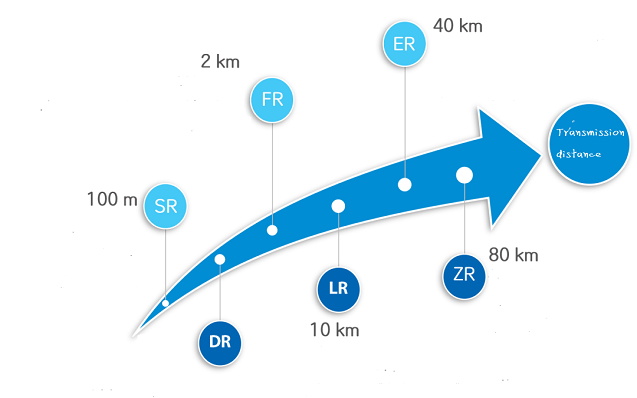
Transceiver reach is classified by industry standards, with each class tailored to specific high-density network layouts. Key reach classes include SR (Short Reach, up to 400m), DR (Data Center Reach, up to 500m), FR (Fast Reach, up to 2km), LR (Long Reach, up to 10km), ER (Extended Reach, up to 40km), ZR (Ultra Long Reach, up to 80km), and XR (Variable Reach, application-specific).
A critical best practice for high-density deployments is to select transceivers with a reach that slightly exceeds the required distance. For instance, a DR4 transceiver (500m reach) can easily cover a 350m intra-data center link without performance loss, while providing a safety margin for signal degradation and future network expansion. This approach avoids the need for costly transceiver replacements when the network scales.
Environmental Adaptation
Temperature Rating for Dense Racks
High-density racks generate significant heat due to the concentration of switches, transceivers, and other network equipment, making temperature tolerance a critical factor in transceiver selection. Transceivers are rated for three primary temperature ranges, each suited to different deployment environments:
● CT/C-Temp (0~70℃): Designed for indoor data centers with controlled cooling systems, the most common environment for high-density transceivers.
● ET/E-Temp (-20~85℃): Suitable for outdoor ISP equipment cabinets or data centers with variable cooling conditions.
● IT/I-Temp (-40~85℃): Reserved for harsh industrial environments or extreme outdoor ISP deployments.
It is important to note that these ratings refer to the transceiver’s case temperature, not the ambient rack temperature. Engineers must ensure that rack cooling systems (e.g., hot-aisle/cold-aisle design) are sufficient to keep transceivers within their rated temperature range, as overheating can degrade performance and shorten equipment lifespan.
Thermal Management for High-Density Clusters
In addition to selecting the appropriate temperature rating, engineers should prioritize transceivers with advanced heat dissipation technologies. Poor heat dissipation in high-density clusters can lead to increased bit error rates (BER), link flapping, and premature transceiver failure. FiberMart’s transceivers feature enhanced heatsink designs and low-power chip architectures, ensuring stable operation under full-load conditions in dense rack environments.
OEM vs. Third-Party Transceivers
OEM Transceivers: Advantages and Limitations
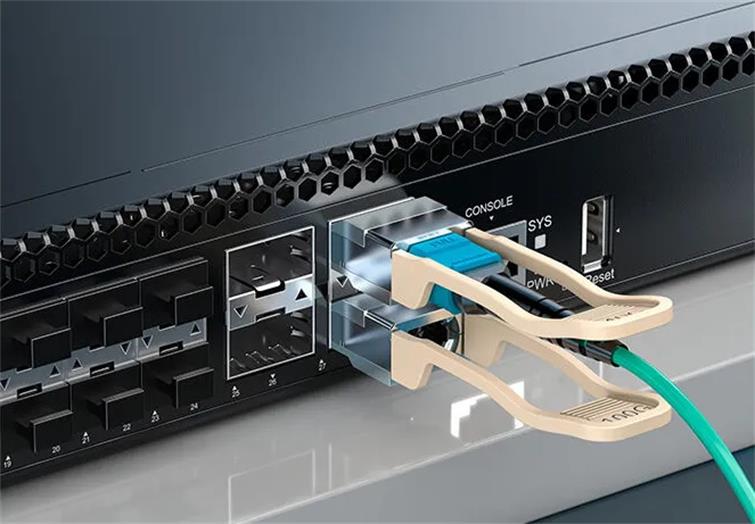
OEM transceivers are manufactured by the same company as the network equipment (e.g., Cisco, Arista, Nvidia) and are guaranteed to be fully compatible. They offer seamless integration with switch firmware, dedicated manufacturer support, and a lower risk of compatibility issues—making them a reliable choice for critical high-density network segments.
However, OEM transceivers come with a significant cost premium, which can be prohibitive for high-density deployments requiring hundreds or thousands of transceivers. For ISP and data center engineers working within tight budgets, this cost difference can limit scalability and increase total cost of ownership.
Third-Party Transceivers: Cost-Effective Alternatives
Third-party transceivers (e.g., FiberMart) offer a cost-effective alternative, typically providing 30~50% savings compared to OEM models. The key to selecting third-party transceivers for high-density networks is ensuring full compatibility with major OEM equipment and compliance with MSA standards. FiberMart’s transceivers are encoded to work seamlessly with all major OEMs, including Nvidia, Mellanox, Arista, Cisco, Dell, Juniper, and Ciena.
FiberMart’s transceivers undergo rigorous full-load testing to ensure low BER, stable thermal performance, and compatibility with the latest firmware updates. For high-density AI data centers, HPC clusters, and ISP backbones, these transceivers match OEM performance while offering greater cost efficiency—enabling engineers to scale their networks without compromising reliability.
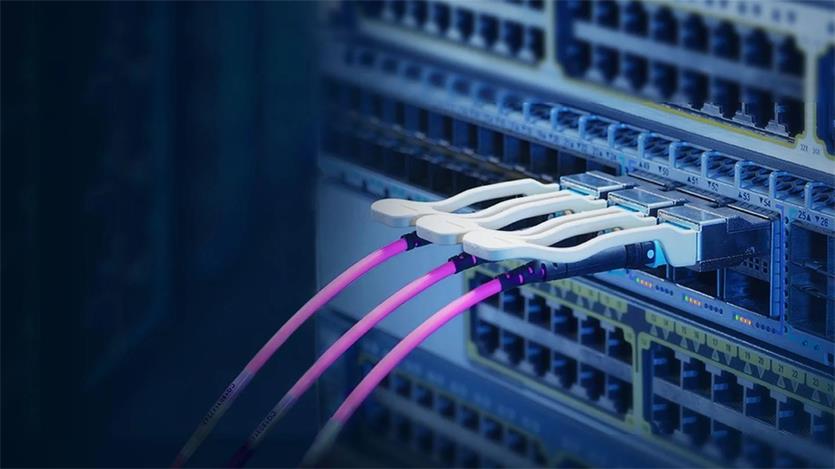
FiberMart’s Expert Guidelines for High-Density Deployments
Prioritize Core Component Quality
The optical chip is the heart of any transceiver, directly impacting data rate, transmission distance, and reliability. FiberMart uses high-quality optical chips from leading manufacturers to ensure superior wavelength stability and output power—critical for maintaining consistent performance across hundreds of ports in high-density networks.
Optimize for Low BER
BER (Bit Error Rate) is a key metric of transmission quality, with a BER of 1E-12 or lower considered optimal for high-speed high-density networks. A high BER can cause link jitter and data loss, which is particularly detrimental to AI training and HPC workloads. FiberMart’s transceivers are tested to ensure low BER, minimizing performance degradation in dense network fabrics.
Ensure Scalability and Availability
High-density networks require transceivers that can adapt to future growth. FiberMart’s transceivers support emerging technologies (e.g., WDM, coherent optics) and are compatible with future firmware updates, ensuring long-term scalability. Additionally, FiberMart maintains large stock quantities of transceivers, enabling rapid deployment and replacement—critical for minimizing downtime in high-density environments.
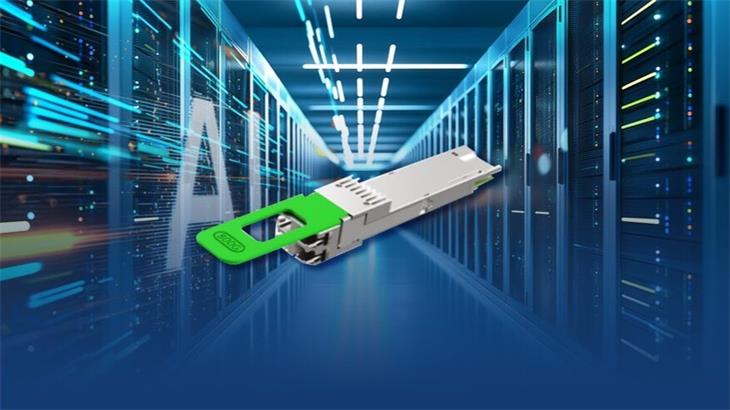
Conclusion
Selecting optical transceivers for high-density networks requires a strategic approach that balances technical performance, cost efficiency, and scalability. For ISP and data center engineers, the key is to align transceiver specifications with the unique demands of dense port configurations, traffic patterns, and environmental constraints. By focusing on data rate, form factor, fiber type, wavelength, temperature tolerance, and compatibility, engineers can make informed decisions that optimize network performance and reduce total cost of ownership.
With FiberMart’s expertise and high-quality transceiver solutions, engineers can confidently deploy high-density networks that meet the growing demands of cloud services, AI computing, and high-volume data transmission—ensuring reliability, scalability, and cost efficiency for years to come.
FAQs
What is a High Density Network (HDN) in ISP and data center engineering?
HDN is a network with high port/device concentration per rack, designed to handle massive concurrent traffic and maximize bandwidth utilization in limited space.
Which form factors are optimal for high-density optical transceiver deployments?
Compact form factors like SFP28, QSFP28, QSFP56-DD and OSFP are optimal for maximizing port density in HDN.
How to balance SMF and MMF transceivers in high-density data center deployments?
A3: Use SMF for long-range inter-rack/inter-data center links and MMF for short-range intra-rack links to optimize cost and performance.
What temperature rating is suitable for indoor high-density data center transceivers?
CT/C-Temp (0~70℃) is suitable for most indoor high-density data center transceiver deployments.
What key advantage do third-party transceivers have for high-density network engineers?
Third-party transceivers (e.g., FiberMart) offer 30~50% cost savings while matching OEM performance and compatibility.
What BER standard is optimal for high-speed transceivers in HDN AI/HPC scenarios?
A BER of 1E-12 or lower is optimal for high-speed transceivers in HDN AI/HPC deployments to avoid link jitter.





No comments have been posted yet.