


.webp)


Polarization maintaining fiber cable is a pivotal component in high-precision optical systems, specifically engineered to preserve the linear polarization state of light—a requirement that underpins the functionality of applications like fiber optic sensing, coherent communications, and quantum computing. Unlike standard single-mode fibers, which suffer from random polarization scattering due to manufacturing imperfections and external stresses, this specialized cable leverages controlled asymmetry and high birefringence to lock in light’s polarization characteristics. Given its sensitivity and the critical role it plays in mission-critical setups, the proper installation and handling of polarization maintaining fiber cable are non-negotiable. Improper practices can degrade key performance metrics such as extinction ratio, insertion loss, and polarization crosstalk, ultimately compromising the entire optical system’s functionality. This comprehensive guide outlines the essential steps, best practices, and critical considerations to ensure the optimal performance and longevity of polarization maintaining fiber cable.
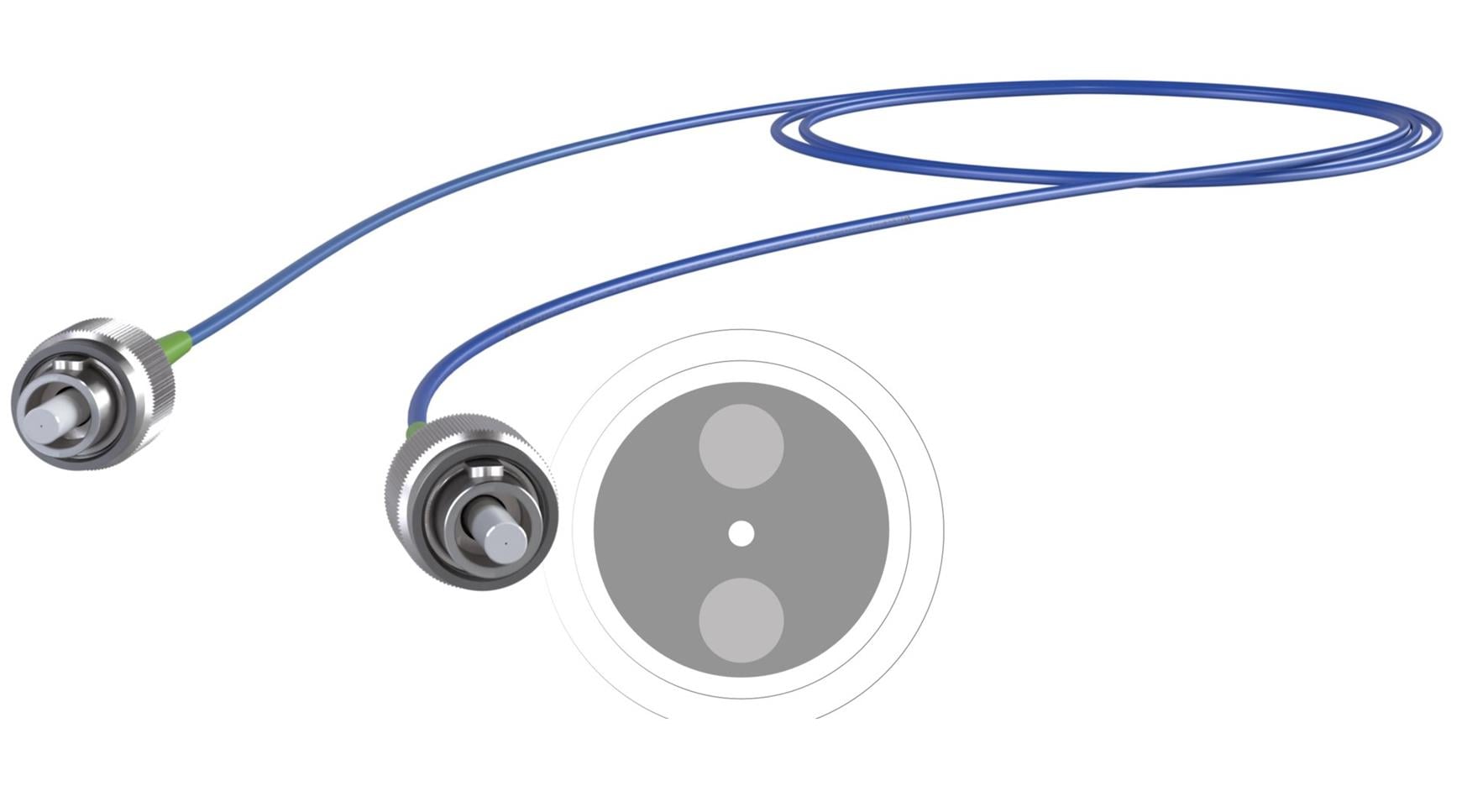
Pre-Installation Preparation for Polarization Maintaining Fiber Cable
Before initiating the installation process, thorough preparation is paramount to avoid costly mistakes and ensure compatibility with the target system.
Verify Cable Specifications
First and foremost, confirm that the cable meets the system’s technical requirements. Key parameters to check include the working axis (slow axis, fast axis, or both), wavelength compatibility (e.g., 1310nm, 1550nm, or customized ranges), extinction ratio (typically ≥23dB for industrial standards), and cable type (250µm bare fiber, 900µm buffered fiber, or 3mm jacketed cable). Ensure the cable’s connectors—such as FC/UPC, SC/APC, or LC—are matched to the system’s interface, as mismatched connectors can introduce excessive insertion loss (>0.3dB) and polarization crosstalk.
Inspect Cable and Components
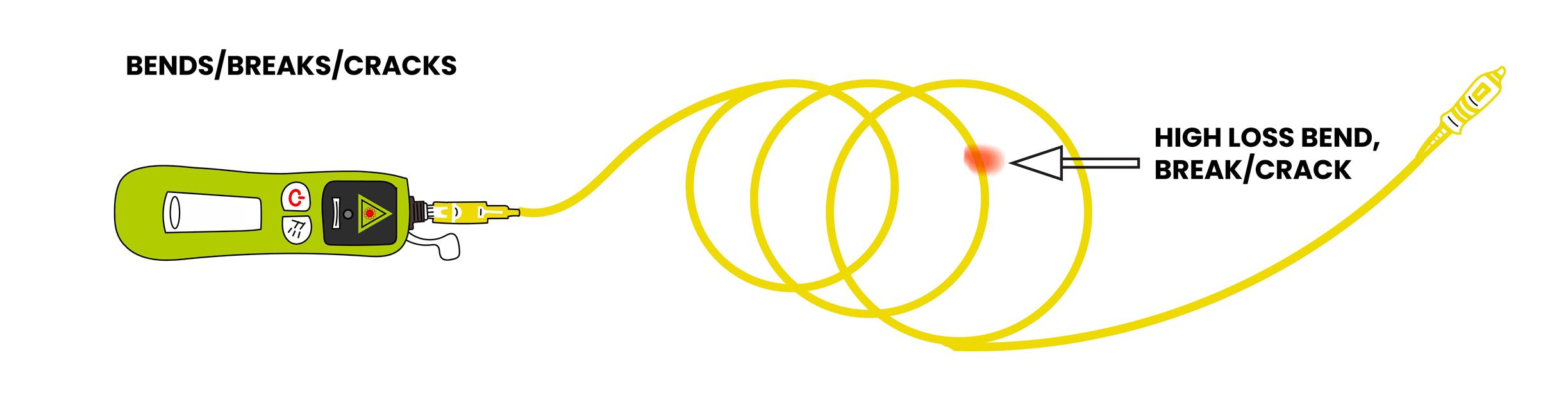
Conduct a visual inspection of the polarization maintaining fiber cable and its accessories. Check for physical damage, such as cracks in the jacket, bent connectors, or contamination on the ferrule. Even minor defects can disrupt the cable’s high birefringence, which is critical for maintaining polarization. Additionally, verify that all components, including splice sleeves and adapter panels, are CE, RoHS, or FCC certified to ensure compatibility and reliability.
Prepare the Installation Environment
The installation environment must be clean, dry, and free from excessive dust or debris. Contaminants can adhere to the fiber core or connectors, causing signal loss. Ensure that the ambient temperature ranges between -20°C and 60°C, as extreme temperatures can alter the cable’s stress-applying structures (e.g., Panda or Bow-Tie designs) and degrade performance. Additionally, clear the installation path of sharp edges or heavy objects that could crush or damage the cable.
Core Installation Steps for Polarization Maintaining Fiber Cable
The installation process requires precision and adherence to specific guidelines to preserve the cable’s polarization properties.
Handling and Routing
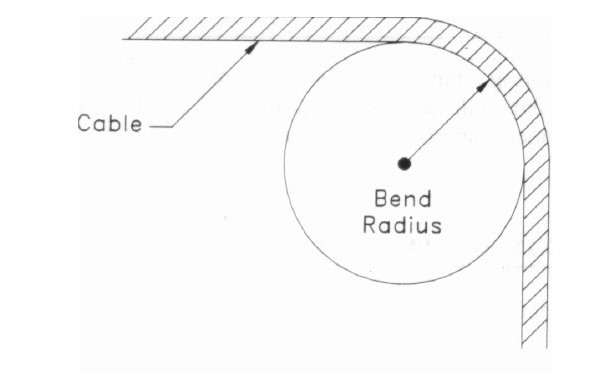
When handling the cable, avoid excessive bending, twisting, or pulling. The minimum bend radius for most PM cables is 10 times the cable diameter (e.g., 30mm for 3mm jacketed cable). Bending beyond this limit can introduce mechanical stress, disrupting the asymmetric core structure and increasing polarization crosstalk. When routing the cable, use cable ties or clamps to secure it at intervals of 50cm to 1m, ensuring no tension is applied to the fiber.
Connector Alignment
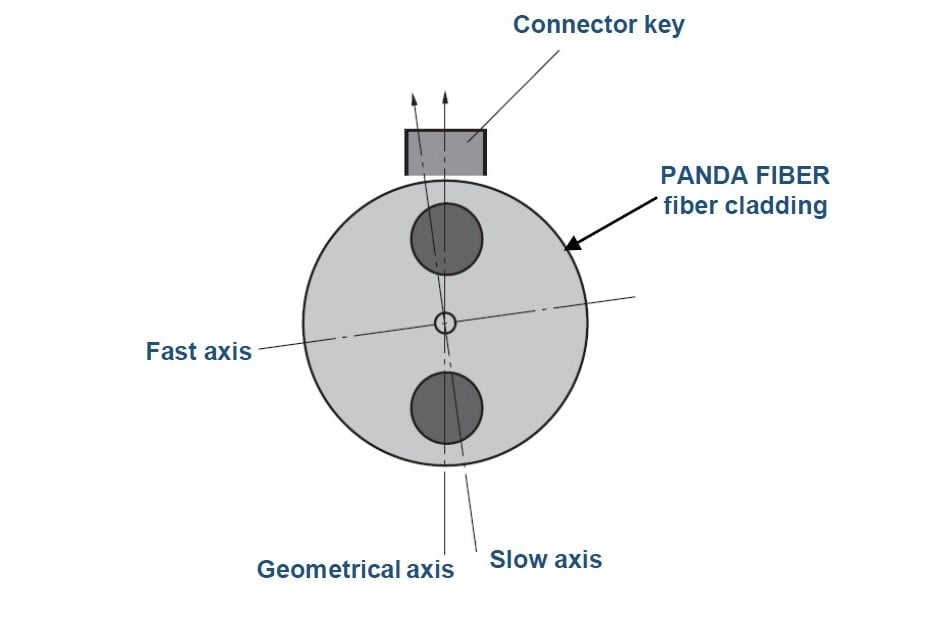
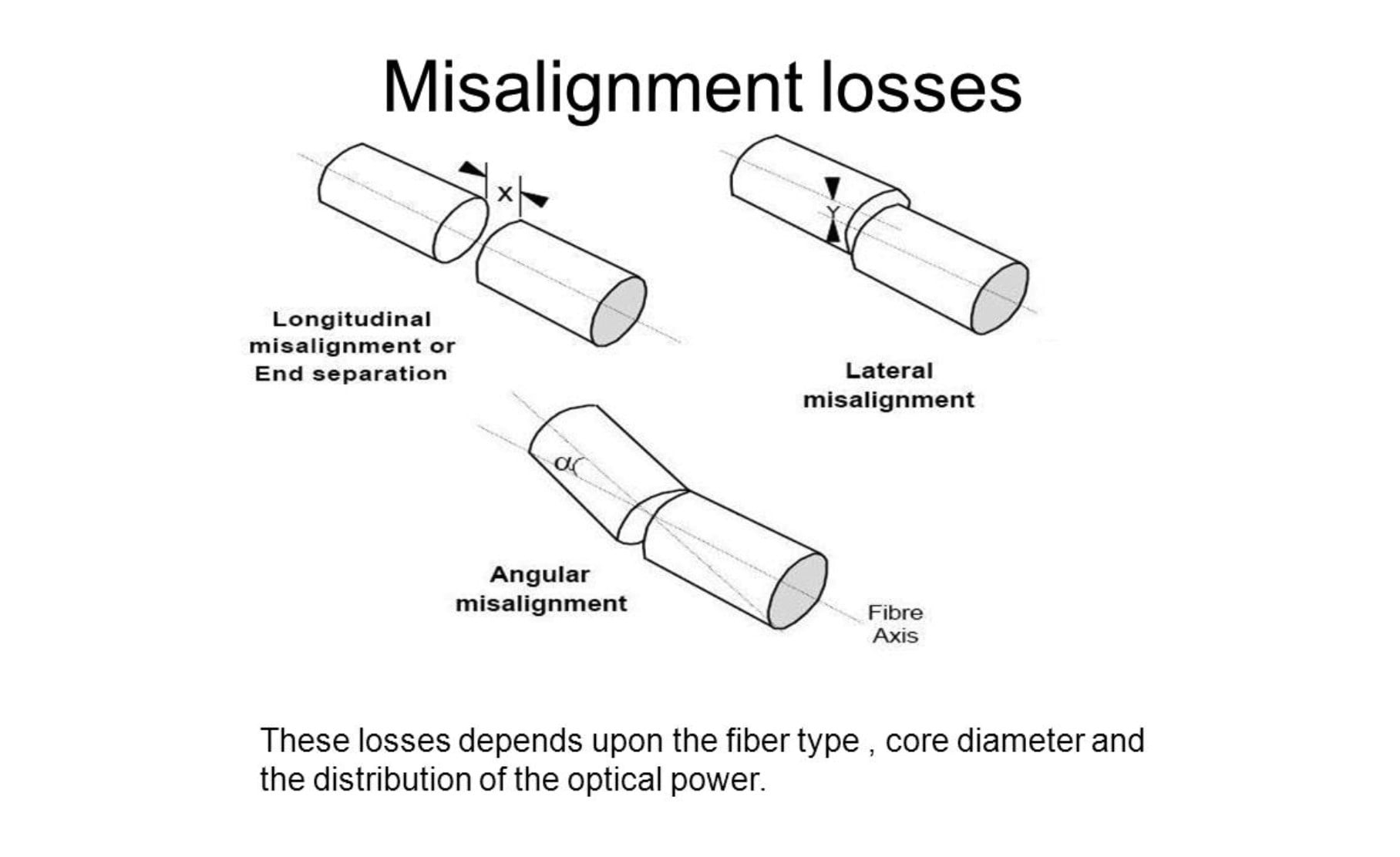
Proper alignment of connectors is critical for polarization maintaining fiber cable, as misalignment can negate its polarization-preserving capabilities. Most PM connectors are keyed to align with the cable’s fast or slow axis. During installation, use a polarization alignment tool to ensure the connector’s key matches the system’s required axis (slow axis alignment is common for many applications). After connecting, verify the insertion loss using an optical power meter—loss should not exceed 0.2dB for optimal performance.
Splicing Considerations
If splicing is required, use fusion splicing equipment specifically calibrated for this specialized cable. The splicing process must align the fast/slow axes of the two fiber segments to minimize polarization crosstalk. After splicing, protect the joint with a heat-shrinkable sleeve and test the splice loss—maximum attenuation should be ≤0.3dB/km at the operating wavelength. Avoid mechanical splicing, as it cannot guarantee the precise axis alignment needed for PM fibers.

Post-Installation Testing and Maintenance
After installation, rigorous testing and regular maintenance are essential to ensure the polarization maintaining fiber cable operates at peak performance.
Performance Testing
Conduct comprehensive testing using specialized equipment, such as a polarization extinction ratio (PER) tester and an optical time-domain reflectometer (OTDR). The PER should remain ≥23dB (with connectors on) to ensure minimal polarization mode mixing. The OTDR test helps detect hidden issues, such as microbends or splice defects, which could cause signal degradation over time. Record all test results and compare them to the cable’s specifications to confirm compliance.
Regular Maintenance Practices
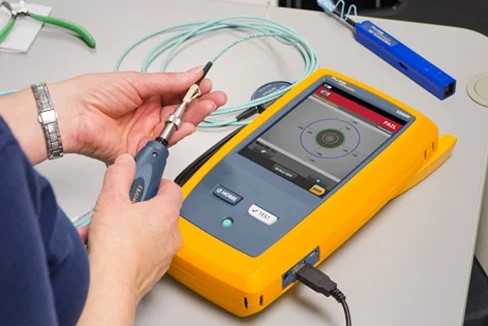
Implement a scheduled maintenance plan to preserve the integrity of the polarization maintaining fiber cable. Inspect connectors quarterly for contamination or wear, and clean them using lint-free wipes and fiber optic cleaning fluid. Avoid touching the ferrule tip with bare hands, as oils and dirt can damage the surface. Additionally, check cable routing periodically to ensure no new bends or tensions have been introduced, and replace any damaged components immediately.
Troubleshooting Common Issues
If performance degradation is detected, troubleshoot systematically. Common issues include:
● High insertion loss: Check for connector contamination or misalignment; clean or realign connectors as needed.
● Reduced PER: Inspect for cable bending or splicing errors; re-route the cable or re-splice if necessary.
● Polarization crosstalk: Verify axis alignment and test for mechanical stress; adjust cable routing to reduce tension.
Polarization maintaining fiber cable is a high-precision component that demands meticulous attention to detail during every phase of installation and handling. From pre-installation inspection and environment preparation to proper routing, connector alignment, and post-installation testing, each step plays a critical role in preserving the cable’s polarization-preserving properties and ensuring optimal system performance. By adhering to the best practices outlined in this guide, you can minimize signal loss, reduce the risk of damage, and maximize the reliability of your optical system.
Whether deployed in fiber optic sensing, coherent communications, quantum computing, or laboratory setups, the performance of sensitive applications depends entirely on the proper installation and handling of polarization maintaining fiber cable. Investing time and resources in following these protocols not only ensures that the cable operates within its intended specifications but also delivers long-term value by reducing maintenance costs, minimizing downtime, and safeguarding the integrity of critical optical systems. With careful planning, precision execution, and proactive maintenance, you can unlock the full potential of this essential component and achieve consistent, reliable performance for years to come.





No comments have been posted yet.