


.webp)


In the rapidly evolving landscape of data centers, where efficiency, density, and reliability are paramount, the choice of fiber optic connectors plays a pivotal role in optimizing overall performance—especially in cooling systems. Among the various connector types available, the LC Connector stands out as a game-changer, offering a multitude of advantages that directly contribute to enhanced data center cooling efficiency. Below are the top 10 benefits that make it an indispensable component in modern data center cooling infrastructure.
Ⅰ. Space-Efficient Design Reduces Cooling Load
Compact Form Factor Maximizes Rack Density
Featuring a 1.25 mm ceramic ferrule—half the size of traditional SC connectors—this connector enables significantly higher port density on patch panels, transceivers, and other networking equipment. In data centers, where rack space is at a premium, denser configurations mean fewer racks are required to support the same number of connections. With fewer racks occupying physical space, the cooling system can operate more efficiently, as there is less area to cool and improved airflow between equipment. Its small footprint eliminates the need for bulky wiring setups, reducing airflow obstruction and ensuring that cooling systems can distribute cold air more effectively throughout the data center.
Streamlined Cabling Minimizes Heat Trapping
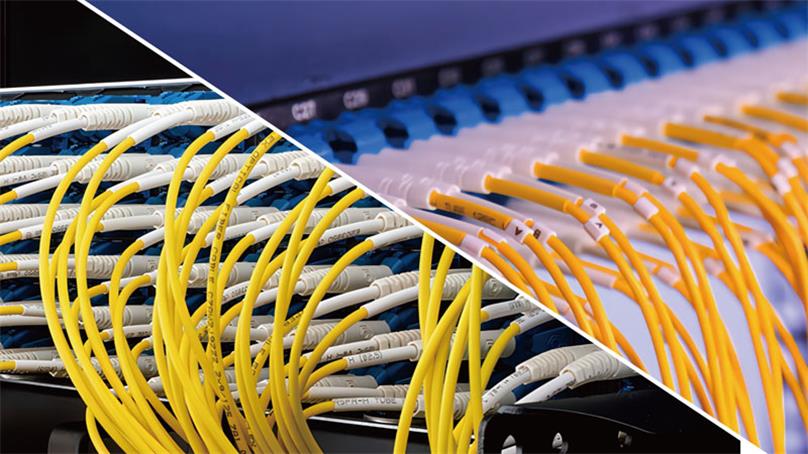
Traditional fiber optic connectors often require thicker cables and more complex routing, which can trap heat within the data center. In contrast, this connector is compatible with thinner cables (0.9/2.0/3.0mm diameters) and supports duplex configurations that simplify cabling layouts. The streamlined cabling reduces the number of cables needed, minimizing heat buildup and allowing for better heat dissipation. By reducing heat trapping, it eases the workload on cooling systems, enabling them to maintain optimal operating temperatures with less energy consumption.

Ⅱ. Low Insertion Loss Enhances Energy Efficiency
Precision Engineering for Minimal Signal Loss
Engineered with high precision, it boasts a typical insertion loss of 0.15dB and a maximum of 0.25dB. Low insertion loss means that optical signals can travel through the connector with minimal attenuation, reducing the need for signal amplification. Amplification equipment generates additional heat, which places extra strain on data center cooling systems. By minimizing signal loss, it reduces the reliance on heat-generating amplification devices, thereby lowering the overall heat output in the data center. This directly translates to improved energy efficiency for both the networking infrastructure and the cooling systems.
Consistent Performance Reduces System Overhead
Data centers rely on consistent and reliable signal transmission to avoid system downtime and inefficiencies. Its epoxy bonding and crimping mechanism ensure a secure and stable connection, delivering consistent performance over time. With fewer signal disruptions and the need for fewer system adjustments, the data center’s networking equipment operates more efficiently, generating less heat due to reduced processing overhead. This stability not only improves the performance of the data center but also contributes to more effective cooling by maintaining a steady heat load that the cooling system can easily manage.
Ⅲ. Durable Construction Ensures Long-Term Cooling Stability
Robust Epoxy and Crimping Mechanism
It uses a durable epoxy adhesive to bond the fiber within the connector and a crimp sleeve to secure the cable’s strength member (aramid yarn) to the connector body. This robust construction ensures that it can withstand the rigors of data center environments, including temperature fluctuations and physical stress. A durable connector reduces the need for frequent replacements and maintenance, which can disrupt cooling systems and lead to temporary heat spikes. By providing long-term reliability, it helps maintain a stable cooling environment, preventing unexpected heat-related issues that can impact data center performance.
Wide Temperature Tolerance for Cooling Flexibility
Data center cooling systems often operate in varying temperature ranges, and components must be able to withstand these fluctuations. With an operating temperature range of -20 to 75°C (-4 to 167℉) and a storage temperature range of -40 to 85°C (-40 to 185℉), this connector performs reliably even in extreme cooling conditions. This wide temperature tolerance gives data center operators greater flexibility in designing and optimizing their cooling systems. Whether the data center uses traditional air cooling or more advanced liquid cooling solutions, it can adapt, ensuring consistent performance without compromising cooling efficiency.
Ⅳ. Versatile Compatibility Supports Cooling Optimization
Compatibility with Single-Mode and Multimode Fibers
Supporting both single-mode (9/125µm) and multimode (50/125µm, 62.5/125µm) fiber types, it is a versatile choice for data centers with diverse networking needs. This compatibility allows data center operators to select the most appropriate fiber type for their specific applications, optimizing signal transmission and reducing heat generation. For example, single-mode fibers are ideal for long-distance transmissions with minimal signal loss, while multimode fibers are suitable for short-distance, high-bandwidth applications. By supporting both fiber types, it enables data centers to design a networking infrastructure that works in harmony with their cooling systems, maximizing overall efficiency.
Integration with Modern Cooling and Networking Equipment
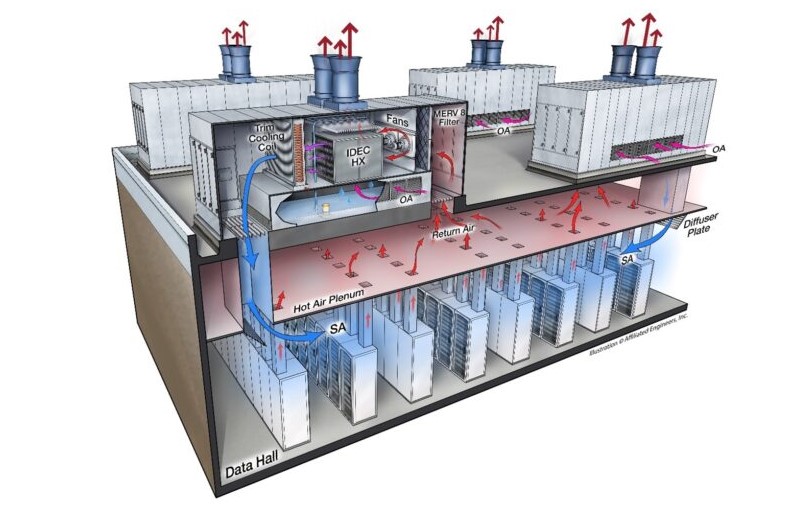
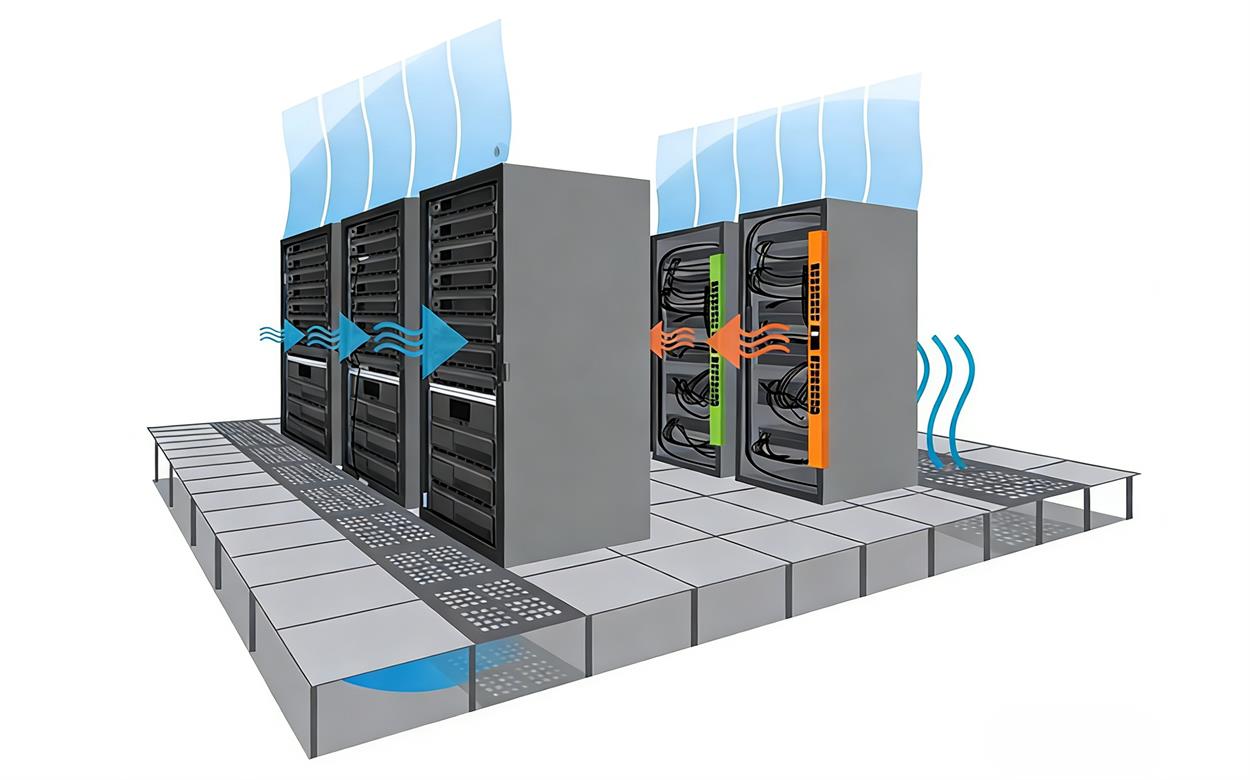
Modern data centers rely on a wide range of cooling and networking equipment, and compatibility between components is crucial for optimal performance. Widely adopted by leading manufacturers of transceivers, switches, servers, and storage devices, this connector ensures seamless integration with the latest data center equipment. This integration allows for smooth communication between networking and cooling systems, enabling real-time monitoring and adjustment of cooling parameters based on network traffic and heat generation. Its compatibility with modern equipment ensures that data centers can leverage the latest cooling technologies, such as hot aisle/cold aisle containment and intelligent cooling management systems, to achieve maximum efficiency.
Ⅴ. Easy Installation and Maintenance Reduce Cooling Disruptions
Simplified Assembly Process
Its design facilitates easy field installation, requiring only epoxy curing and crimping. Technicians can quickly and efficiently terminate optical cables on-site, reducing the time and effort required for installation. A simplified installation process means less downtime during system setup or expansion, minimizing disruptions to cooling systems. Unlike some complex connectors that require specialized tools or extensive training, it can be installed by trained technicians with standard equipment, ensuring that data center cooling systems remain operational throughout the installation process.
Low-Maintenance Operation
Once installed, it requires minimal maintenance, thanks to its robust construction and reliable performance. The push-pull latching mechanism allows for quick and easy insertions and removals, making it simple to troubleshoot or reconfigure connections without causing significant disruptions. Reduced maintenance means fewer instances where cooling systems need to be adjusted or shut down to accommodate connector-related work, ensuring that the data center’s cooling infrastructure remains stable and efficient over time.
Ⅵ. Improved Airflow Management
Compact Design Enhances Air Circulation
As mentioned earlier, its small size contributes to higher port density, but it also plays a key role in improving airflow management. With smaller connectors and streamlined cabling, there is more space between equipment for air to circulate. In data centers, proper airflow is essential for effective cooling, as stagnant air can lead to hotspots and reduced cooling efficiency. Its compact design helps eliminate airflow bottlenecks, allowing cooling systems to distribute cold air more evenly across the data center floor. This improved airflow management reduces the risk of overheating and ensures that all equipment operates within optimal temperature ranges.
Reduced Cable Clutter for Unobstructed Airflow
Cable clutter is a major issue in many data centers, impeding airflow and making it difficult for cooling systems to reach all areas. Its duplex configuration and compatibility with thin cables help reduce cable clutter, creating a more organized and open environment. Less clutter means that cold air can flow freely around equipment, reaching even the most densely packed racks. By reducing cable clutter, it enhances the performance of cooling systems, ensuring that they can effectively remove heat from the data center.

Ⅶ. Cost-Effective Cooling Solutions
Lower Energy Consumption
By reducing heat generation through low insertion loss, efficient signal transmission, and streamlined cabling, it helps lower the overall energy consumption of the data center. Cooling systems account for a significant portion of a data center’s energy usage, and any reduction in heat output directly translates to lower energy costs for cooling. Additionally, its durability and long-term reliability reduce the need for frequent replacements and maintenance, further lowering operational costs. Over time, the cost savings associated with reduced energy consumption and maintenance make it a cost-effective choice for data center cooling optimization.
Reduced Infrastructure Costs
Its high port density allows data centers to support more connections with fewer racks and patch panels. This reduction in infrastructure requirements not only saves physical space but also lowers the cost of purchasing and installing equipment. Fewer racks mean less investment in cooling systems, as there is less area to cool. Additionally, its compatibility with existing and future networking equipment eliminates the need for costly upgrades or replacements, making it a cost-effective long-term solution for data center cooling.
Ⅷ. Enhanced Scalability for Growing Cooling Needs
Support for Expanding Data Center Operations
As data centers grow and expand to meet increasing demand, their cooling needs also evolve. Its high port density and versatile compatibility make it an ideal choice for scalable data center environments. With the ability to support more connections in a smaller space, it allows data centers to add new equipment and expand their operations without requiring significant upgrades to their cooling systems. This scalability ensures that the data center’s cooling infrastructure can keep pace with growth, maintaining optimal performance and efficiency even as the data center expands.
Adaptability to Future Cooling Technologies
The data center industry is constantly evolving, with new cooling technologies emerging to meet the demands of higher-density computing. Its flexible design and wide compatibility make it adaptable to future cooling technologies, such as liquid immersion cooling and direct-to-chip cooling. By investing in this connector, data centers can future-proof their cooling infrastructure, ensuring that they can easily integrate new technologies as they become available. This adaptability reduces the risk of obsolescence and ensures that the data center remains efficient and competitive in the long run.
Ⅸ. Improved Reliability Reduces Cooling-Related Downtime
Minimized Signal Disruptions
Its precision engineering and robust construction minimize signal disruptions, ensuring consistent and reliable data transmission. Signal disruptions can lead to system downtime, which often requires cooling systems to be adjusted or shut down temporarily. By reducing signal disruptions, it helps prevent cooling-related downtime, ensuring that the data center remains operational and efficient. Additionally, its low return loss (>65dB for APC, >55dB for UPC) reduces back-reflection, which can cause signal interference and heat generation. This further enhances the reliability of the data center’s networking and cooling systems.
Resistance to Environmental Factors
Data centers are exposed to various environmental factors, such as dust, humidity, and temperature fluctuations, which can impact the performance of connectors and cooling systems. Its durable housing and sealed design provide protection against these environmental factors, ensuring that it continues to perform reliably even in harsh conditions. This resistance to environmental factors reduces the risk of connector failure and cooling system disruptions, improving the overall reliability of the data center.
Ⅹ. Compliance with Industry Standards for Cooling Efficiency
Adherence to Global Fiber Optic Standards
Designed and manufactured in compliance with global fiber optic standards, it meets the highest levels of performance and quality. Compliance with these standards ensures that it is compatible with other industry-standard components, including cooling systems. By using a connector that adheres to industry standards, data centers can ensure that their cooling infrastructure operates efficiently and reliably, meeting the requirements of modern data center operations.
Support for Green Data Center Initiatives
Green data center initiatives focus on reducing energy consumption, minimizing environmental impact, and improving overall efficiency. The LC Connector aligns with these initiatives by reducing heat generation, lowering energy consumption, and supporting cost-effective cooling solutions. By using it, data centers can reduce their carbon footprint and contribute to a more sustainable future. Additionally, its durability and long-term reliability reduce electronic waste, further supporting green data center efforts.
Conclusion
In conclusion, this connector offers a wide range of benefits that directly contribute to optimized data center cooling. From its space-efficient design and low insertion loss to its durability, versatility, and compliance with industry standards, it is a key component in modern data center cooling infrastructure. By leveraging its advantages, data centers can achieve higher levels of efficiency, reliability, and scalability, ensuring that their cooling systems can meet the demands of today’s high-density computing environments. As data centers continue to evolve, the LC Connector will remain an essential tool for cooling optimization, helping data centers reduce costs, minimize environmental impact, and maintain optimal performance.





No comments have been posted yet.