


.webp)


In the rapidly evolving landscape of photonic technology, pluggable fiber waveguide coupling modules have emerged as cornerstone components, enabling seamless integration and high-performance data transmission across telecommunications, data centers, and advanced research applications. At the heart of these modules lies the receptacle—a critical interface that dictates alignment precision, optical efficiency, and long-term reliability. As demands for higher bandwidth, miniaturization, and cost-effectiveness intensify, receptacle design has evolved from a supporting element to a defining factor in unlocking the full potential of fiber-waveguide coupling.
Core Functions of Receptacles in Pluggable Fiber Waveguide Coupling Modules
Enabling Precision Alignment
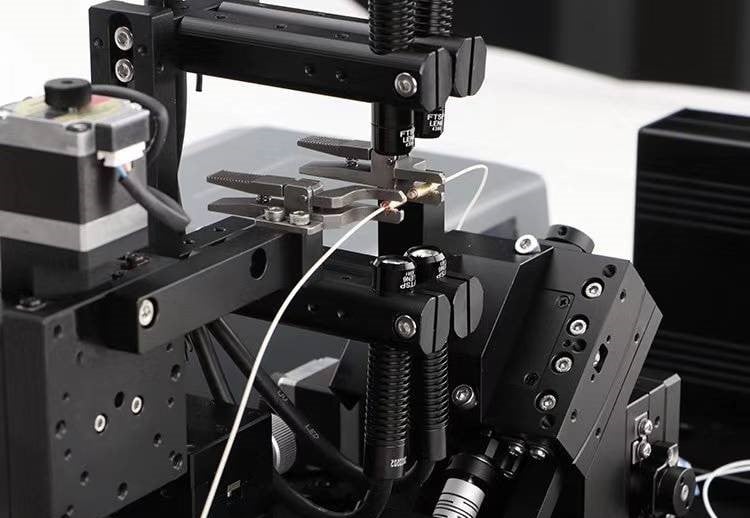
The primary mandate of a receptacle in pluggable fiber waveguide coupling modules is to facilitate sub-micron to nanometer-level alignment between optical fibers and waveguides. This alignment is critical to maximizing optical power transfer, as even minute misalignments across linear (X, Y, Z) or rotational (θx, θy, θz) axes can drastically reduce coupling efficiency. Receptacles achieve this through rigid mechanical fixtures and precision-engineered mating interfaces that guide fibers or fiber array units (FAUs) into perfect spatial overlap with waveguide mode fields. Whether supporting single-mode fibers or multi-channel FAUs, the receptacle’s alignment mechanism lays the foundation for consistent, high-performance optical signal transmission.
Ensuring Mechanical Stability and Durability
Pluggable modules are designed for repeated mating and unmating cycles, requiring receptacles to maintain structural integrity and alignment accuracy over thousands of operations. Receptacles must withstand mechanical stress, environmental variations (such as temperature fluctuations and humidity), and vibration—common challenges in industrial and data center environments. By integrating robust materials, shock-absorbing features, and secure latching mechanisms, receptacles prevent misalignment caused by external forces, ensuring long-term reliability and minimizing downtime for maintenance or replacement.
Facilitating Seamless Pluggable Integration
A defining characteristic of pluggable modules is their ability to connect and disconnect quickly without specialized tools. Receptacles are engineered to enable this plug-and-play functionality, featuring user-friendly interfaces that simplify installation and replacement. This seamless integration not only enhances operational flexibility but also supports scalability, allowing end-users to upgrade or reconfigure photonic systems without disrupting the entire infrastructure. The receptacle’s design thus balances precision with practicality, making advanced fiber waveguide coupling accessible across diverse applications.
Key Design Considerations for High-Performance Receptacles
Material Selection: Balancing Precision and Resilience
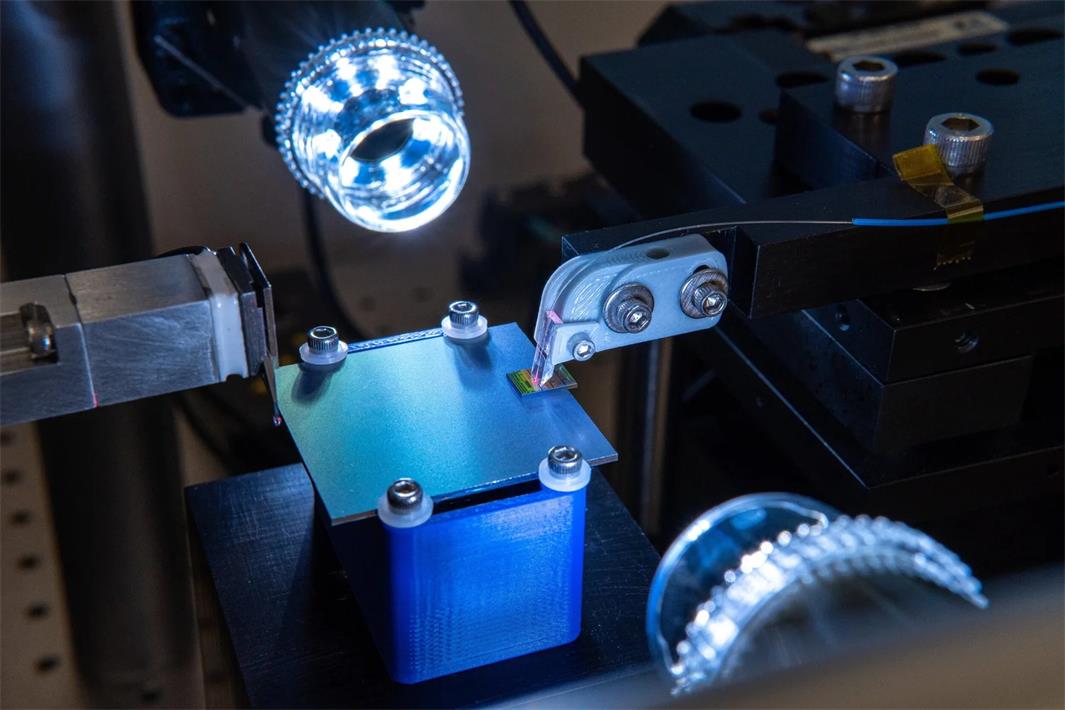
Material choice is a foundational decision in receptacle design, as it directly impacts alignment accuracy, durability, and optical performance. High-strength, low-deformation materials such as aerospace-grade aluminum alloys, ceramic composites, and engineering plastics are preferred for their ability to maintain dimensional stability under varying conditions. Ceramics, in particular, offer exceptional hardness and wear resistance, making them ideal for critical alignment surfaces that endure repeated contact. Additionally, materials with low thermal expansion coefficients are selected to minimize alignment drift caused by temperature changes, ensuring consistent performance in extreme operating environments.
Alignment Mechanisms: From Passive to Active Optimization
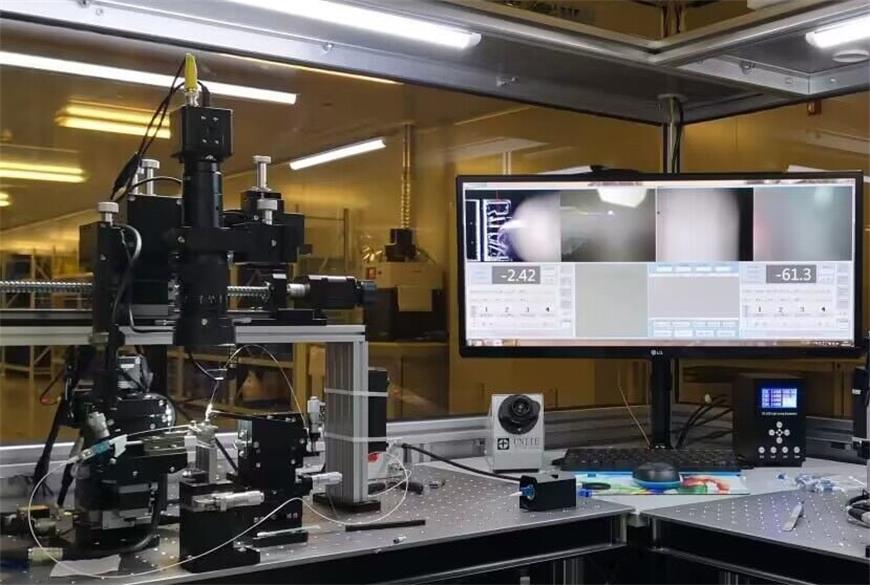
Receptacle design incorporates diverse alignment mechanisms tailored to the precision requirements of specific applications. Passive alignment systems rely on precision-machined features (e.g., guide pins, V-grooves, and reference planes) to position fibers or FAUs relative to waveguides. These cost-effective solutions are widely used in high-volume production, leveraging tight manufacturing tolerances to achieve micron-level alignment. For applications demanding nanometer precision—such as PIC packaging or quantum optics—active alignment mechanisms are integrated into receptacles. These systems utilize feedback from optical power meters and vision systems, paired with motorized or piezo-driven actuators, to dynamically adjust positioning and lock onto the optimal coupling position.
Integration with Auxiliary Systems
Modern receptacles are not standalone components but part of a unified pluggable module ecosystem. They are designed to integrate seamlessly with auxiliary systems that enhance performance and functionality. This includes compatibility with UV curing systems and epoxy dispensers for permanent fiber attachment, vibration isolation features to mitigate environmental interference, and vision systems with CCD cameras for real-time alignment monitoring. By aligning receptacle design with these complementary technologies, manufacturers ensure end-to-end optimization of the coupling process, from initial plug-in to long-term operation.
Miniaturization and Density Optimization
As photonic systems trend toward smaller footprints and higher channel counts, receptacle design must prioritize miniaturization without compromising performance. Compact receptacles enable the development of dense pluggable modules, supporting multi-channel FAUs and high-port-count PICs. This requires innovative engineering approaches, such as stacked alignment interfaces, micro-machined components, and reduced form factors that maximize spatial efficiency. Miniaturization also contributes to lower power consumption and cost, making pluggable fiber waveguide coupling modules more accessible for edge computing and portable photonic devices.
Innovative Advancements in Receptacle Design
Closed-Loop Feedback Integration
A significant advancement in receptacle technology is the integration of closed-loop feedback systems, which elevate alignment precision to the nanometer scale. These systems leverage real-time data from optical power meters and position sensors, allowing the receptacle to automatically adjust its alignment in response to changes in coupling efficiency. For example, if vibration or thermal drift disrupts alignment, the closed-loop system detects the power loss, triggers motorized actuators, and re-optimizes the position—all without human intervention. This technology is particularly valuable in high-volume production lines and mission-critical applications where consistent performance is non-negotiable.
Modular and Customizable Architectures
Modern receptacle designs embrace modularity, enabling manufacturers to tailor solutions to specific application needs. Modular receptacles feature interchangeable components—such as alignment sleeves, latching mechanisms, and interface adapters—that can be configured for different fiber types (single-mode, multi-mode), waveguide geometries, or module form factors. This flexibility reduces development time and costs, allowing for rapid customization for emerging technologies like silicon photonics and coherent optical modules. Additionally, modular designs simplify maintenance, as individual components can be replaced without replacing the entire receptacle.
Enhanced Environmental Resistance
Receptacles are increasingly designed to withstand harsh operating conditions, expanding the scope of pluggable fiber waveguide coupling modules into industrial, aerospace, and outdoor applications. Advanced designs incorporate hermetic sealing to protect internal components from moisture, dust, and corrosive gases, while temperature-resistant materials ensure performance across a wide range (-40°C to 85°C or higher). These environmental enhancements make receptacles suitable for use in 5G base stations, oil and gas sensors, and satellite communication systems, where reliability in extreme conditions is paramount.
Applications and Industry Impact of Advanced Receptacle Designs
Telecommunications and Data Centers
In telecommunications and data centers, where bandwidth demands continue to soar, advanced receptacle designs enable high-speed, low-loss coupling in pluggable transceivers and optical engines. Receptacles supporting multi-channel FAUs and ultra-precise alignment are critical to deploying 400G/800G coherent modules, which require efficient signal transmission over long distances. By ensuring reliable coupling, receptacles contribute to the stability of global communication networks, enabling seamless data transfer for cloud computing, video streaming, and enterprise applications.
Photonic Integrated Circuit (PIC) Packaging
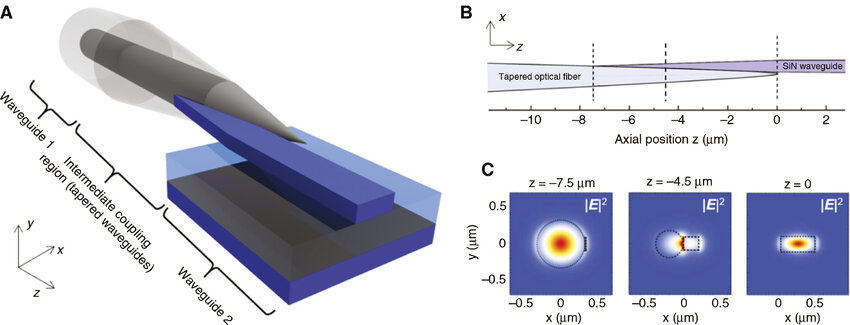
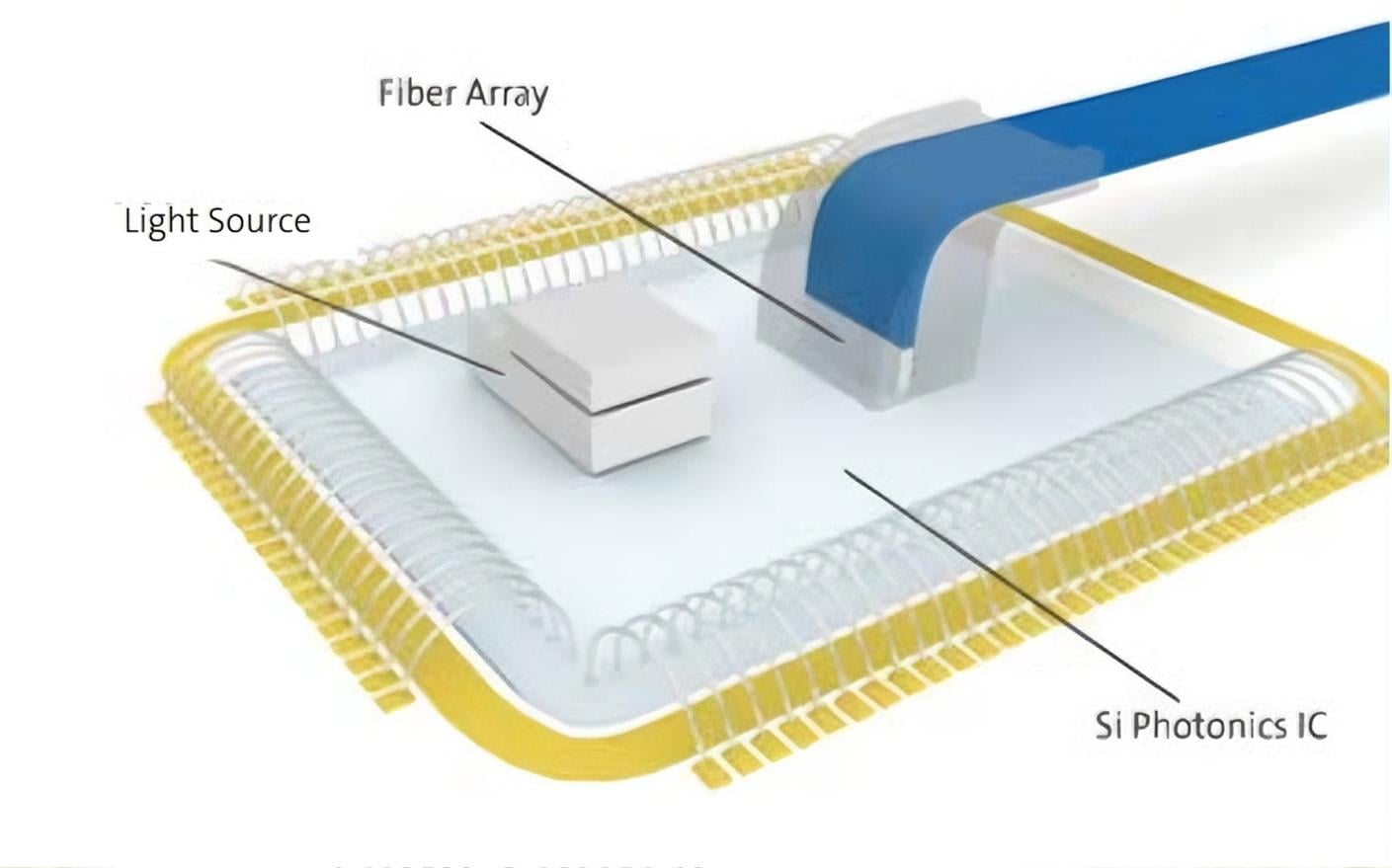
PICs are revolutionizing photonic technology by integrating multiple optical functions onto a single chip, but their performance depends on precise coupling with external fibers. Receptacles designed for PIC packaging feature ultra-fine alignment capabilities and compatibility with chip-scale components, enabling efficient coupling between fibers and PIC waveguides. These receptacles support the mass production of PIC-based devices, such as optical sensors, quantum processors, and photonic switches, driving innovation in fields ranging from healthcare to quantum computing.
Industrial and Aerospace Applications
In industrial automation and aerospace systems, pluggable fiber waveguide coupling modules with rugged receptacles provide reliable optical communication in harsh environments. Receptacles with enhanced vibration resistance and temperature tolerance are used in industrial sensors, avionics systems, and unmanned aerial vehicles (UAVs), where traditional electrical connections are prone to interference or failure. By enabling stable optical transmission, these receptacles enhance the performance and safety of critical systems in demanding settings.
Receptacle design stands as a critical pillar of pluggable fiber waveguide coupling module performance, merging precision engineering, material science, and system integration to enable efficient, reliable optical signal transmission. From facilitating sub-micron alignment to withstanding harsh environments, advanced receptacles address the evolving needs of telecommunications, data centers, research labs, and industrial applications. As photonic technology continues to advance—with trends toward higher bandwidth, miniaturization, and automation—receptacle design will remain at the forefront of innovation, driving the development of pluggable modules that are more precise, durable, and versatile.





No comments have been posted yet.