


.webp)


In the rapidly evolving landscape of fiber optic technology, the fiber pigtail stands as a small yet indispensable component that underpins the seamless transmission of data, voice, and video signals. While it may not always be the most visible part of a fiber optic network, its functionality is critical to ensuring reliable and efficient connectivity. This article delves into the core purpose of a fiber pigtail, exploring its key applications, types, and why it remains a cornerstone of modern communication infrastructure.
Defining the Fiber Pigtail: A Fundamental Building Block
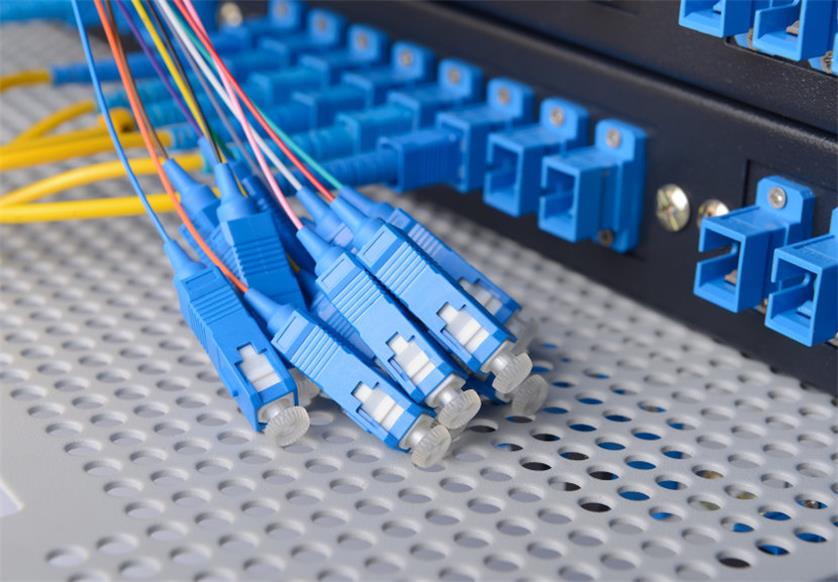
Before exploring its uses, it is essential to first understand what a fiber pigtail is. At its core, a fiber pigtail is a short length of optical fiber cable with a pre-terminated connector on one end (known as “Connector A”) and an unterminated, bare fiber on the other end (referred to as “Connector B”). The pre-terminated connector—common types include LC, SC, FC, ST, and E2000—allows for quick and secure connection to other fiber optic components, while the bare fiber end is fusion-spliced or mechanically joined to longer fiber optic cables in a network.

Manufactured to adhere to strict industry standards such as Telcordia, EIA/TIA, and IEC, and compliant with RoHS regulations, a high-quality fiber pigtail ensures minimal signal loss, high durability (supporting up to 1,000 mating cycles), and stable performance across extreme temperatures (operating from -40°C to 75°C and storing from -45°C to 85°C). These attributes make it suitable for a wide range of environments, from data centers to outdoor telecom networks.

Core Applications: Why Fiber Pigtails Are Indispensable
The fiber pigtail serves multiple critical roles in fiber optic systems, each contributing to the overall efficiency and reliability of signal transmission. Below are its key uses:
Enabling Secure Fiber Splicing in Network Installations
One of the primary functions of a fiber pigtail is to facilitate secure and low-loss connections between fiber optic cables. In large-scale networks—such as long-haul telecom lines or campus-wide data networks—long fiber cables often need to be joined to extend their reach or connect to equipment. The bare end of a fiber pigtail is fusion-spliced to the end of a longer fiber cable, creating a permanent, low-attenuation link. The pre-terminated connector on the other end then plugs into switches, routers, or transceivers, eliminating the need to terminate cables on-site (a process that is time-consuming and prone to errors). This not only speeds up network deployment but also reduces signal loss, as factory-terminated connectors (like those on a fiber pigtail) offer consistent performance compared to field-terminated ones.
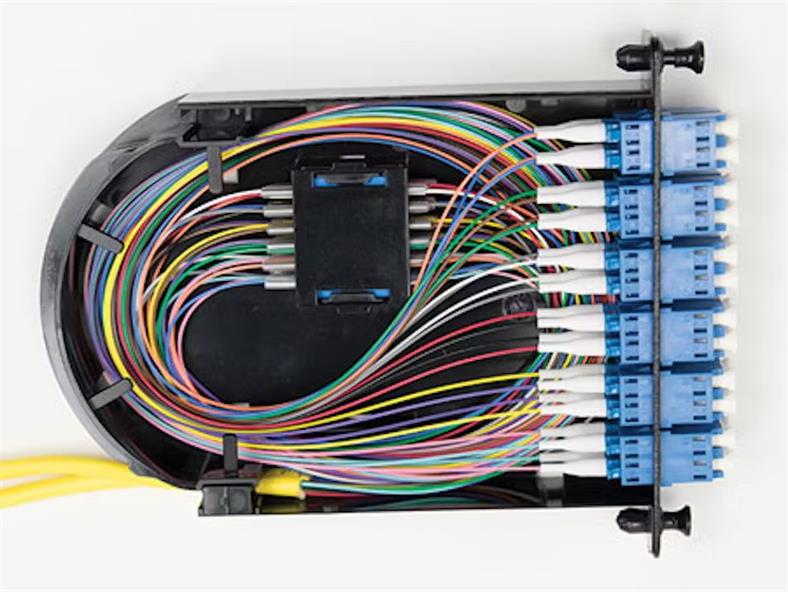
Connecting Equipment in Data Centers and Telecom Rooms
Data centers and telecom rooms are hubs of high-density fiber optic connections, where hundreds or thousands of devices (such as servers, storage systems, and network switches) need to communicate seamlessly. Here, the fiber pigtail acts as a “bridge” between equipment and the main fiber backbone. For example, a server with an LC-compatible port can be quickly connected to the network using an LC-terminated fiber pigtail, while a switch requiring an SC connector can use an SC-terminated variant. This flexibility in connector types—paired with options for simplex (single-fiber) or duplex (dual-fiber) configurations—makes the fiber pigtail ideal for adapting to diverse equipment requirements. Additionally, with variants like 12 fiber pigtails, data centers can streamline connections for high-bandwidth applications, reducing cable clutter and simplifying maintenance.
Supporting Signal Integrity in High-Speed Networks
Modern networks demand ultra-high-speed data transmission, from 10G to 100G and beyond. In such environments, even minimal signal loss or interference can disrupt performance. A well-designed fiber pigtail addresses this challenge by minimizing insertion loss (typically <0.25dB) and maximizing return loss (≥50dB), ensuring that signals retain their integrity over short distances. For instance, multimode fiber pigtails (such as OM3, OM4, or OM5 types) optimized for 850nm or 1300nm wavelengths are widely used in short-reach data center links, while single-mode fiber pigtails (OS2 grade) operate at 1310nm or 1550nm for longer-reach telecom applications. These specialized designs make the fiber pigtail a critical component in maintaining the speed and reliability of high-performance networks.
Enhancing Durability in Harsh Environments
Not all fiber optic networks operate in controlled indoor spaces—many are deployed in outdoor or industrial settings where cables face exposure to moisture, dust, vibration, or physical damage. To address this, armored or waterproof fiber pigtails are available, featuring ruggedized jackets (such as LSZH or PVC) and reinforced cables that withstand harsh conditions. For example, armored fiber pigtails are used in outdoor telecom towers or industrial facilities to protect against impact, while waterproof variants ensure reliable performance in damp environments like underground conduits or coastal areas. By safeguarding the fiber and connector, these specialized fiber pigtails extend the lifespan of network components and reduce maintenance costs.

Customization: Tailoring Fiber Pigtails to Specific Needs
A key advantage of the fiber pigtail is its adaptability to unique network requirements. Manufacturers like Fibermart offer customized fiber pigtail solutions, allowing users to select parameters such as fiber type (single-mode or multimode), connector type (LC, SC, FC, etc.), cable length, jacket color (for easy identification), and cable diameter (0.9mm or 2.0mm). For example, a telecom provider might request 24-fiber single-mode pigtails with yellow jackets for long-haul links, while a data center could opt for aqua-jacketed OM4 duplex pigtails for 100G connections. This customization ensures that the fiber pigtail aligns perfectly with the network’s design, enhancing efficiency and reducing compatibility issues.

Conclusion
In summary, the fiber pigtail is far more than a simple cable accessory—it is a foundational component that enables secure splicing, equipment connectivity, signal integrity, and durability in fiber optic networks. From data centers powering cloud computing to telecom networks connecting cities, the fiber pigtail plays a vital role in keeping modern communication systems running smoothly. Its versatility, compliance with industry standards, and ability to be customized make it an essential tool for network designers, installers, and operators alike. As fiber optic technology continues to advance, the fiber pigtail will remain a key enabler of faster, more reliable, and more resilient connectivity.
Posted by Fibermart, Shelly updated on 01/28/2026





No comments have been posted yet.