


.webp)


Discover the advantages of polarization-maintaining splitters in optical networks. Learn how they enhance signal quality, reduce crosstalk, and support long-distance transmission.
5 Essential Benefits Of Using Polarization Maintaining Splitter In Optical Networks
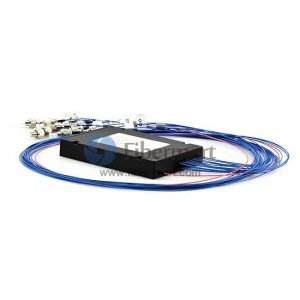
In today's fast-paced world, where data transfer speeds and network reliability are paramount, optical networks have become the backbone of modern communication systems. Fiber optics, in particular, play a critical role in transmitting vast amounts of data over long distances.
To ensure the efficiency and integrity of optical networks, various components and technologies are employed, and one such technology is the polarization-maintaining splitter. In this blog post, we will explore the five essential benefits of using polarization-maintaining splitters in optical networks.
1. Preserving Polarization State
Polarization is a fundamental property of light that describes the orientation of its electric field vectors. In optical communication systems, light can have varying polarization states, and maintaining the correct polarization state is crucial for optimal performance. Traditional optical splitters often fail to preserve polarization, leading to signal degradation and increased optical noise.
Polarization-maintaining splitters, however, are specifically designed to preserve the polarization state of the incoming light. This preservation ensures that the optical signals remain coherent and error-free throughout the network, resulting in higher data transmission rates and improved overall network performance.

2. Minimizing Crosstalk
Crosstalk, or the unwanted transfer of optical power between different channels or fibers, can significantly affect the quality of signals in optical networks. In conventional splitters, crosstalk can be a persistent issue, leading to interference and reduced signal clarity. Polarization-maintaining splitters are engineered to minimize crosstalk by isolating polarized light and directing it precisely to its intended destination.
By maintaining strict polarization control, these splitters significantly reduce the likelihood of crosstalk, ensuring that each optical signal travels its designated path without interference, resulting in superior network reliability.
3. Enhanced Signal Quality
In optical networks, maintaining signal quality is paramount to achieving high data transmission rates and minimizing data loss. Polarization-maintaining splitters excel in preserving signal quality by effectively managing the polarization state of light. Unlike conventional splitters, which may inadvertently alter polarization, these specialized components keep the optical signals intact.
This preservation of signal quality translates to improved data integrity, reduced bit errors, and increased network stability. In applications where precision and accuracy are critical, such as medical imaging or aerospace communication, the benefits of using polarization-maintaining splitters are especially pronounced.

4. Long-Distance Transmission
Optical networks often span vast distances, and the ability to transmit data over extended fiber optic links is crucial. Polarization-maintaining splitters are designed to excel in long-distance transmission scenarios. By maintaining a polarization state, they enable optical signals to travel greater distances without experiencing significant signal degradation.
This is particularly advantageous for telecommunications providers and data centers that require data to be transported across extensive networks. With polarization-maintaining splitters in place, these organizations can achieve reliable long-distance data transmission, expanding the reach and capabilities of their networks.
5. Compatibility with Advanced Technologies
As optical networks continue to evolve, they incorporate advanced technologies such as dense wavelength division multiplexing (DWDM) and coherent communication systems. These technologies enable higher data rates and increased network capacity. Polarization-maintaining splitters are well-suited for integration into such advanced setups.
Their ability to maintain a polarization state aligns seamlessly with the requirements of DWDM and coherent systems, ensuring that these technologies perform optimally. This compatibility not only future-proofs your optical network but also allows you to leverage the full potential of these cutting-edge technologies.
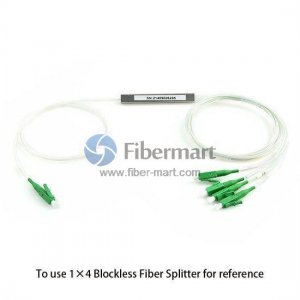
In conclusion, polarization-maintaining splitters play a pivotal role in ensuring the efficiency and reliability of optical networks. Their ability to preserve polarization state, minimize crosstalk, enhance signal quality, support long-distance transmission, and integrate seamlessly with advanced technologies makes them indispensable components for modern communication systems.
By incorporating polarization-maintaining splitters into your optical network infrastructure, you can unlock the full potential of your network, enabling faster, more reliable, and error-free data transmission. As optical communication technology continues to advance, the importance of these specialized splitters in maintaining the integrity of optical signals cannot be overstated.
Ready to elevate your optical network's performance and reliability? Look no further than Fibermart, your global partner for cutting-edge fiber optic network solutions. With a commitment to research, development, and innovation, we specialize in crafting high-performance fiber connectivity solutions for a wide range of clients.
Whether you need a Polarization Maintaining Fiber Cable, Polarization Maintaining Splitter, or Polarization Maintaining Coupler, we have it all. Take the next step in optimizing your optical network today with Fibermart – your trusted partner for a brighter, more efficient future in fiber optics. Contact us now to explore how we can enhance your network's capabilities.





No comments have been posted yet.