


.webp)


In the fast-paced world of modern data transmission and telecommunications, the LC Connector has emerged as a cornerstone component, celebrated for its compact design and reliable performance. As networks become increasingly dense and data demands soar, selecting the right LC Connector is critical to ensuring seamless connectivity, minimal signal loss, and long-term durability. Whether you’re outfitting a data center, upgrading office infrastructure, or handling field terminations, understanding the key features that define a high-quality LC Connector is essential. Below, we break down the five non-negotiable attributes to prioritize when choosing an LC Connector for your specific application.
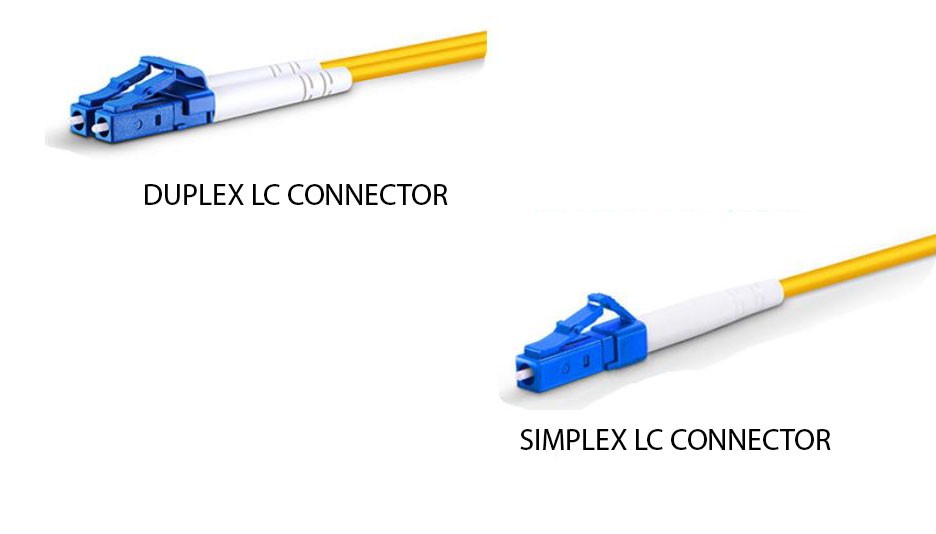
Precision-Crafted Ceramic Ferrule: The Foundation of Reliable Connectivity
At the heart of every high-performance LC Connector lies its ferrule—a small but pivotal component that aligns the optical fiber for optimal signal transmission. The gold standard in the industry is the 1.25 mm ceramic ferrule, a feature that sets premium LC Connectors apart from inferior alternatives.
Ceramic, particularly zirconia ceramic, is chosen for its exceptional hardness, dimensional stability, and resistance to wear and corrosion. Unlike plastic or metal ferrules, ceramic ferrules maintain their shape even under extreme temperature fluctuations and repeated insertions, ensuring consistent alignment between fibers. This precision is critical for minimizing insertion loss (the reduction in signal strength as light travels through the connector) and back-reflection (signal bouncing back from the connection point), two factors that directly impact network performance.
The 1.25 mm size of the ceramic ferrule is a defining characteristic of the LC Connector, making it a small form-factor solution that enables high port density. In data centers and network racks where space is at a premium, this compact design allows for more connectors to be installed in a single panel or transceiver, maximizing efficiency without compromising performance. When evaluating an LC Connector, always verify that it features a high-quality ceramic ferrule—this is the foundation of a reliable, long-lasting connection.
Versatile Fiber Mode and Polish Compatibility: Adapting to Diverse Network Needs
Networks vary widely in their design and requirements, from single-mode systems used for long-distance telecommunications to multimode setups ideal for short-range data center connections. A top-tier LC Connector must offer versatility in both fiber mode compatibility and polish type to accommodate these diverse needs.
1.Fiber Mode Flexibility
A high-quality LC Connector should support both single-mode (9/125µm) and multimode (50/125µm, 62.5/125µm) fibers. Single-mode fibers are designed for long-haul transmissions, delivering minimal signal dispersion and supporting higher bandwidths over extended distances. Multimode fibers, on the other hand, are cost-effective for short-range applications, such as connecting servers and switches within a data center. By choosing an LC Connector that works with both fiber types, you gain the flexibility to adapt to different network configurations, reducing the need for multiple connector inventories and simplifying future upgrades.
2.UPC and APC Polish Options
The polish of an LC Connector’s ferrule end-face directly influences return loss, a key performance metric that measures how much light is reflected back into the fiber. Two primary polish standards are used in the industry: Ultra Physical Contact (UPC) and Angled Physical Contact (APC).
UPC Polish: Characterized by a flat, highly polished end-face, UPC-polished LC Connectors offer excellent physical contact and low insertion loss. They are ideal for most general-purpose applications, including data center patching and office networks, and typically deliver return loss values greater than 55dB.
APC Polish: Featuring an angled (usually 8°) end-face, APC-polished LC Connectors minimize back-reflection by directing reflected light away from the fiber core. This makes them perfect for high-sensitivity applications, such as fiber-to-the-home (FTTH) networks, video transmission, and long-haul telecommunications, where return loss requirements are stricter (often greater than 65dB).
A superior LC Connector should be available in both UPC and APC polish options, allowing you to match the connector to your network’s specific return loss needs. This versatility ensures that your LC Connector can perform optimally in any scenario, from everyday data transfer to critical, high-precision applications.
Robust Mechanical Design: Ensuring Durability and Long-Term Reliability
LC Connectors are often subjected to harsh conditions, including frequent insertions and removals, tensile stress, and exposure to temperature extremes. A durable mechanical design is therefore essential to ensuring that the LC Connector maintains its performance over time.
1.Push-Pull Latching Mechanism
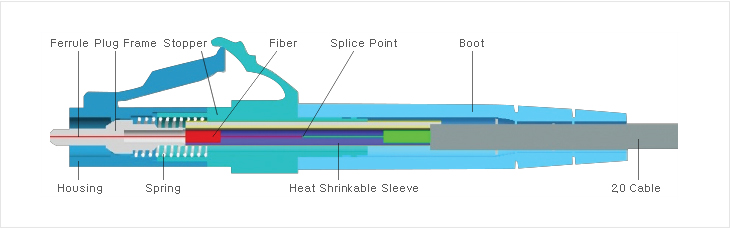
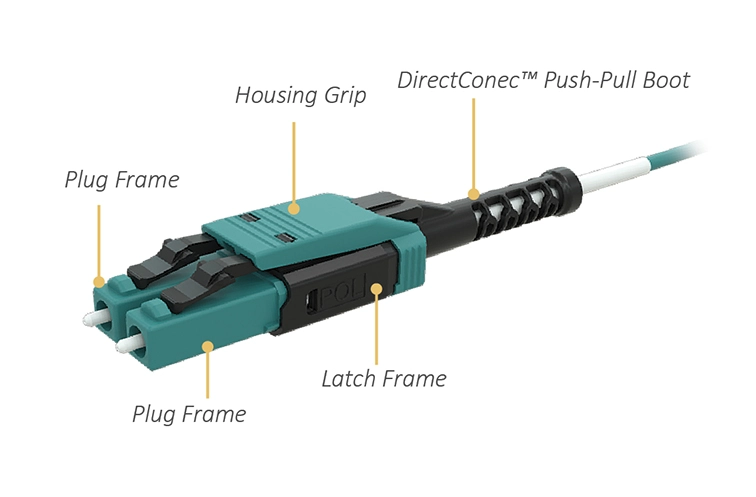
One of the most distinctive features of the LC Connector is its push-pull latching mechanism. This intuitive design allows for easy insertion and secure locking with a simple push, and quick removal with a gentle pull. Unlike threaded or bayonet-style connectors, the push-pull latch eliminates the need for tools, making it ideal for high-density environments where accessibility is limited. A high-quality latching mechanism should be robust yet smooth, ensuring a secure connection that won’t disengage accidentally while still allowing for effortless operation.
2.Crimp and Epoxy Bonding
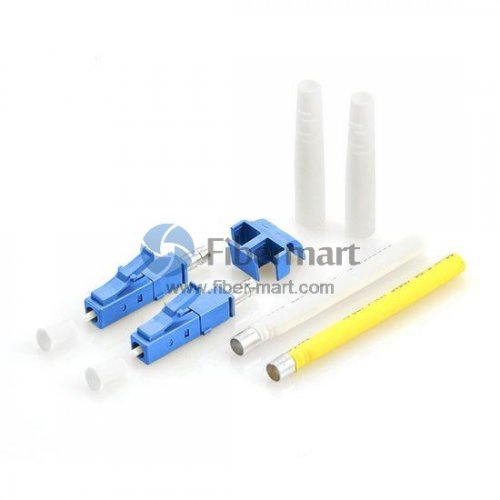
To ensure the fiber is securely anchored within the connector, premium LC Connectors utilize a combination of epoxy bonding and crimping. The epoxy adhesive cures to form a permanent bond between the fiber and the ceramic ferrule, preventing movement that could cause signal loss or connector failure. The crimp sleeve, when applied, secures the cable’s strength members (typically aramid yarn) to the connector body, transferring tensile load away from the fragile glass fiber. This dual-security system ensures that the LC Connector can withstand physical stress, such as pulling or bending of the cable, without compromising the connection.
3.Temperature and Environmental Resistance
LC Connectors must perform reliably in a wide range of environmental conditions. Look for a connector with a broad operating temperature range—ideally between -20°C to 75°C (-4°F to 167°F) for operational use and -40°C to 85°C (-40°F to 185°F) for storage. This ensures that the LC Connector can function in extreme cold (such as outdoor telecommunications cabinets in winter) and high heat (like data center racks with limited ventilation) without degrading performance. Additionally, the connector’s housing and boot should be made from high-quality, durable materials that resist UV radiation, moisture, and chemical exposure, further enhancing long-term reliability.
Low Insertion and Return Loss: Maximizing Signal Integrity
Signal integrity is paramount in fiber optic networks, and two key metrics define this: insertion loss and return loss. A high-performance LC Connector must deliver low insertion loss and high return loss to ensure that signals are transmitted efficiently with minimal disruption.
1.Insertion Loss
Insertion loss refers to the amount of light lost as it passes through the LC Connector. Even small amounts of insertion loss can accumulate in large networks, leading to reduced signal strength and potential data errors. The best LC Connectors offer typical insertion loss values of 0.15dB or lower, with a maximum of 0.25dB. This level of performance ensures that signals remain strong and consistent, even over long distances or through multiple connector connections.
2.Return Loss
Return loss measures the amount of light reflected back into the fiber at the connection point. High return loss is critical because reflected light can interfere with the original signal, causing distortion and reducing network bandwidth. As mentioned earlier, UPC-polished LC Connectors should offer return loss greater than 55dB, while APC-polished variants should exceed 65dB. By selecting an LC Connector with excellent return loss performance, you minimize signal interference and ensure that your network operates at peak efficiency.
These loss metrics are not just technical specifications—they directly impact the overall performance and reliability of your fiber optic system. Investing in an LC Connector with low insertion loss and high return loss can help prevent costly downtime, reduce the need for signal boosters, and extend the lifespan of your network infrastructure.
Compliance with Industry Standards and Quality Assurance
In the world of fiber optics, adherence to industry standards is non-negotiable. A reputable LC Connector should comply with global standards, such as those set by the International Electrotechnical Commission (IEC) and the Telecommunications Industry Association (TIA). These standards ensure that the LC Connector is compatible with other fiber optic components (e.g., adapters, transceivers, patch panels) and meets strict performance and safety requirements.
Additionally, look for an LC Connector that undergoes rigorous quality assurance testing. This includes inspections of the ferrule end-face for scratches, defects, or misalignment, as well as performance testing for insertion loss, return loss, and mechanical durability. Manufacturers that invest in quality control processes are more likely to produce consistent, reliable LC Connectors that perform as advertised.
Compliance with industry standards and robust quality assurance also provides peace of mind. It ensures that the LC Connector you choose is backed by a proven track record of performance, and that it will integrate seamlessly into your existing network without compatibility issues. Whether you’re building a new network or upgrading an existing one, choosing a standards-compliant LC Connector is a smart investment in long-term reliability.
The LC Connector has become an indispensable component in modern fiber optic networks, thanks to its compact design, high port density, and versatile performance. When selecting an LC Connector, prioritizing the five key features outlined above—precision ceramic ferrule, fiber mode and polish versatility, robust mechanical design, low insertion and return loss, and compliance with industry standards—will ensure that you choose a product that delivers optimal performance, durability, and value.
Whether you’re a network administrator, a telecommunications technician, or an equipment manufacturer, the right LC Connector can make all the difference in the efficiency and reliability of your fiber optic system. By understanding these critical features and choosing a reputable manufacturer, you can confidently select an LC Connector that meets your specific needs and supports the growing demands of today’s data-driven world.





No comments have been posted yet.