


.webp)


Optical fiber is widely recognized as a superior medium for light signal propagation, boasting minimal need for signal amplification compared to traditional copper cables. High-quality single-mode fiber typically exhibits ultra-low attenuation, with power loss as low as 0.1 dB per kilometer. However, signal degradation is inevitable in practical network deployments—signal power (measured in dB) at the headend or central office is always higher than at the customer terminal. Excessive signal loss directly impairs network performance, making the understanding, measurement, and mitigation of optical losses a critical component of fiber network installation, testing, and maintenance. This document details the core types of fiber optic signal loss, their underlying causes, associated symptoms, and actionable fixes to ensure reliable network operation.
What is Fiber Loss? Types of Fiber Optical Signal Loss
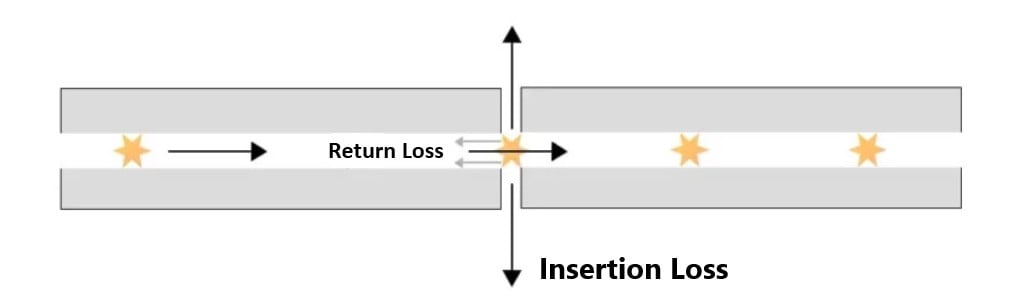
In fiber optic networks, two key metrics quantify signal loss: Insertion Loss (IL) and Return Loss (RL). While both impact network performance, they differ in definition, measurement methods, and effects on system operation. Proper differentiation between the two is essential for accurate troubleshooting and loss management.
Insertion Loss (IL): Signal Attenuation in Transmission
Insertion Loss (IL) refers to the measurement of light power lost between two fixed points in a fiber optic link when a component (e.g., connector, splice, splitter) is inserted into the path. It is a measure of signal attenuation during transmission, expressed in decibels (dB), where lower values indicate better performance. IL is inherent to all passive components and fiber connections, but excessive loss beyond the network’s loss budget can lead to signal failure or degraded throughput. In practical deployments, the bulk of IL typically occurs between the final network node and the customer’s Optical Network Terminal (ONT), with splitters contributing more significantly to loss than connectors or other passive components.
Return Loss (RL): Signal Reflection and Impedance Mismatch
Return Loss (RL) measures the amount of light signal reflected back toward the source due to impedance mismatch in the fiber link. Unlike IL, which affects signal transmission, RL impacts system stability by interfering with the source laser’s operation. Expressed in dB, higher RL values (more negative) indicate less reflected signal—for example, -60 dB means only 0.0001% of the signal is reflected back. Excessively high reflected signals (lower RL values) can cause the source laser to malfunction, leading to intermittent connectivity or complete transmission failure.
Key Causes And Impacts of Optical Signal Loss
The Reason of Insertion Loss
Insertion Loss arises from a combination of component-related issues, installation errors, and environmental factors. While connectors are a common culprit, other factors such as fiber bending, splicing quality, and cable routing also contribute significantly to IL. Understanding these causes is critical for targeted loss reduction. These factors jointly affect the stability and efficiency of optical signal transmission, and the specific influencing details are detailed as follows:
● Connector-Related Losses: Main cause of excessive IL, due to misalignment (ferrule defects like irregular shape/scratches), contamination (dust/oil/debris on ferrule end-face). High-quality fusion splices and proper connectors have marginal loss difference (<0.1 dB); low-cost pigtails may add extra loss without precise splicing.
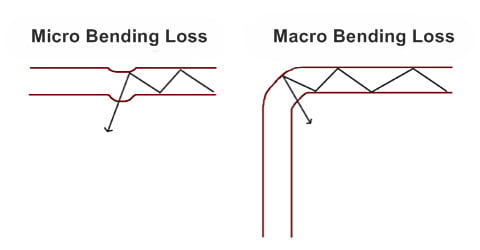
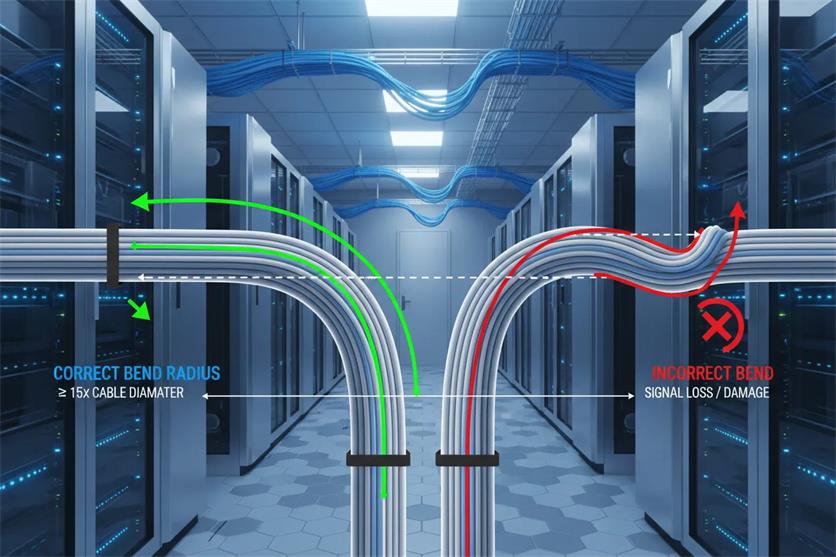
● Fiber Bending (Micro & Macro): Major IL cause in FTTH/MDUs. Micro-bends (small local bends) and macro-bends (large intentional/accidental bends) lead to light refraction. Bend-insensitive fibers (e.g., G657A1) are still susceptible (20mm diameter coil = 0.2 dB loss, linear increase with more coils). Poor installation (tight coiling/kinking) worsens losses.
● Splicing & Mechanical Damage: Incorrect fusion/mechanical splicing (misalignment, air gaps, contamination) increases attenuation. Mechanical damage (glass cracks from over-tensioning, crush/impact) causes significant IL; damage-related loss may develop over time, hard to locate without testing.
● Cable Routing & Environmental Factors: Inefficient routing (e.g., MDU final 100m) causes more loss than long OLT-curb runs (10km <1 dB vs 100m 3x loss). Complex routes need bend radius protection (raceways/microducts). Temperature fluctuations, moisture, rodent damage degrade performance and increase IL over time.
The Reason of Return Loss
Return Loss is primarily caused by impedance mismatches at connection points, component defects, or fiber damage. Unlike IL, which affects signal strength at the receiver, RL disrupts the source laser’s operation, leading to system instability. Different network types have varying RL requirements, with FTTH networks being more demanding than traditional fiber systems.The specific influencing details are detailed as follows:
● Causes of Excessive RL: Fiber connection issues (fiber undercut, contaminated connectors, poorly seated components), fiber damage (broken fibers), connector torsion/strain/misalignment (leading to impedance mismatches), cable manufacturing defects (irregular fiber core geometry, cladding imperfections) and improper splicing (air gaps between fiber cores).
● Impacts of Insufficient RL: Most fiber systems tolerate RL of 40 dB, while FTTH networks require stricter -60 dB (even down to -75 dB) with APC angled ferrules; failure to meet requirements causes source laser transmission malfunction, further leading to intermittent connectivity, reduced bandwidth, or complete network outages.
Symptoms of Fiber Optical Signal Loss
High Insertion Loss
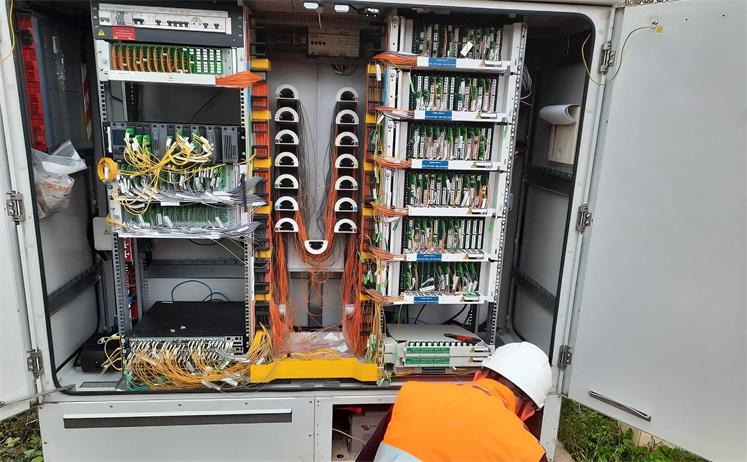
High IL primarily affects signal transmission, leading to symptoms such as reduced data throughput, slow connection speeds, and intermittent signal drops. In severe cases, the network may fail to establish a connection entirely. For FTTH users, this can manifest as buffering during video streaming, dropped video calls, or inability to access high-bandwidth applications. In enterprise networks, high IL can cause packet loss, affecting critical business operations. Notably, a fiber break may still allow partial signal transmission, resulting in a low IL reading that masks the underlying issue—requiring RL measurement to pinpoint the break.
High Return Loss
High RL (excessive reflection) disrupts the source laser’s operation, leading to symptoms such as unstable connections, frequent disconnections, and laser degradation over time. The network may experience intermittent outages, where the laser shuts down temporarily due to excessive reflected signals. In some cases, RL issues can cause false readings during network testing, making it difficult to diagnose the root cause without specialized equipment. Over time, prolonged exposure to high RL can damage the source laser, increasing maintenance costs.
Fiber Optical Signal Loss Troubleshooting
Mitigating fiber optic signal loss requires a combination of proper planning, high-quality components, and best practices in installation and maintenance. The following strategies address the root causes of IL and RL, ensuring optimal network performance and longevity.
Fiber Connector and Splicing
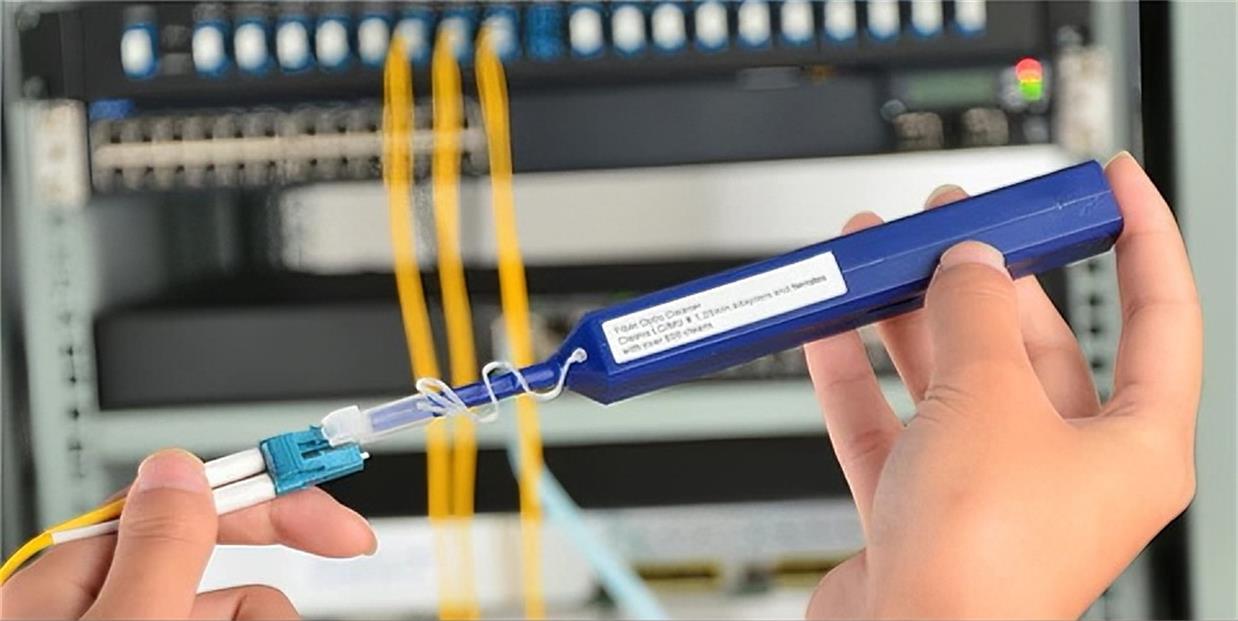
To reduce connector-related IL and RL, prioritize high-quality connectors with meets industry standards (e.g., APC ferrules for FTTH). Implement strict cleaning protocols—clean connector ferrules before and after testing, using proper tools (e.g., lint-free wipes, fiber cleaning pens) and consumables to avoid contamination. For splicing, ensure technicians are trained in precise fusion splicing techniques, and use high-quality pigtails to minimize alignment errors. Additionally, minimize the number of splices and connectors in the network, as each component adds incremental loss.
Fiber Cable Bending and Routing
Prevent bending losses by adhering to recommended bend radii for all fiber types—avoid tight coils, kinks, or sharp bends during installation. For complex routes (e.g., MDUs), use dedicated raceways, microducts, or protective sleeves to maintain proper bend radii. When coiling fiber, keep the radius as large as possible; avoid coiling bend-insensitive fibers to diameters smaller than 20mm. During installation, route cables away from high-traffic areas or locations prone to crush or impact damage.
Fiber Optic Component Quality and Inventory Management
Invest in high-quality fiber cables, connectors, and passive components (e.g., splitters) to minimize inherent loss. While low-cost components may reduce upfront costs, they often introduce higher IL and RL, leading to increased maintenance costs and performance issues over time. Balance the network’s loss budget with inventory costs—prioritize components that meet or exceed industry standards for IL and RL like Fibermart. Ensure all equipment is supplied with a certificate of specification, verifying IL and RL performance.
Fiber Cable Installation and Stress Management
Avoid undue stress on fiber cables during installation—push cables where possible, and if pulling is necessary, never exceed the cable’s maximum tensile load. Use proper pulling equipment and techniques to prevent over-tensioning, which can cause fiber cracks or core damage. Train installers to handle cables carefully, avoiding crush damage or torsion. After installation, inspect cables for signs of damage (e.g., kinks, cuts) and address any issues immediately.
Fiber Testing and Maintenance
Implement regular testing protocols to measure IL and RL across the network, using specialized equipment (e.g., optical power meters, OTDRs). Test networks after installation, during maintenance, and whenever performance issues arise. Identify and address excessive loss points (e.g., faulty connectors, bent fibers) promptly. For FTTH networks, conduct periodic inspections of MDU routes and customer premises connections to ensure ongoing performance. Additionally, document all test results to track loss trends over time and inform future network upgrades.
FiberMart Recommended Fiber Optics
For different application scenarios and project requirements, Fiber-Mart has selected cost-effective and high-quality fiber optical cable products, fully covering the three categories of fiber optics and test equipments, which can accurately adapt to various selection needs. Click the links below to view detailed product parameters, technical specifications, and quotation information:
● Fiber Optic Cables Recommendations:Fibermart Fiber Patch Cables
● Optics and Networks Equipment Recommendations: Fibermart Optical Network Equipments
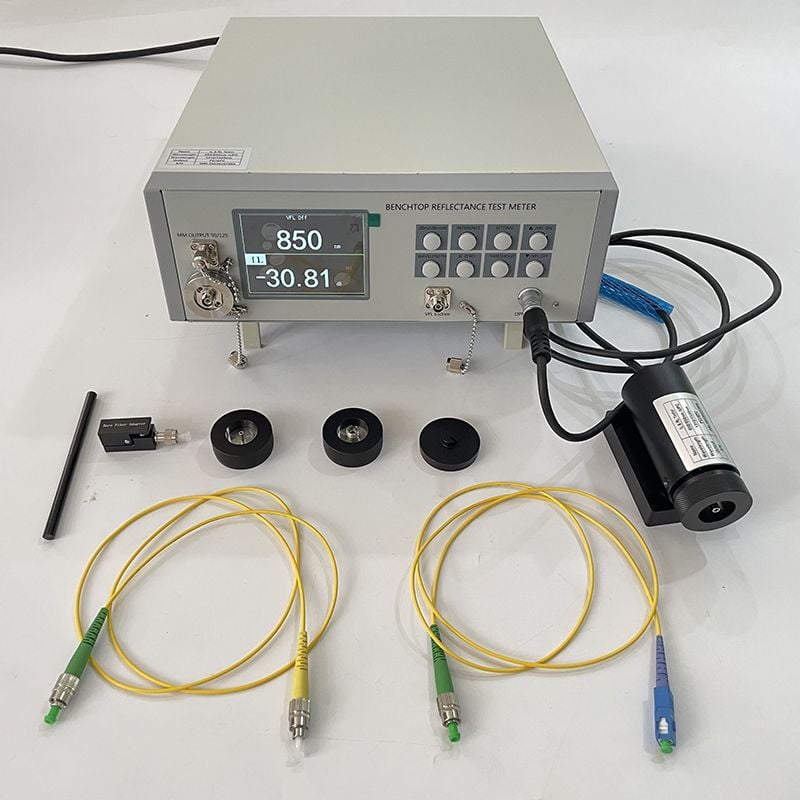
● Fiber Optic Testers Recommendations: Fibermart Insertion Loss / Return Loss Testers
Conclusion
Fiber optic signal loss—whether due to Insertion Loss or Return Loss—poses a significant risk to network performance, but it can be effectively managed through careful planning, high-quality components, and best practices in installation and maintenance. By understanding the root causes of loss, recognizing associated symptoms, and implementing targeted fixes, network installers and technicians can deliver high-speed, reliable fiber connections that perform optimally over the long term. Regular testing and proactive maintenance are key to identifying and resolving issues before they impact end users, ensuring the full potential of fiber optic technology is realized.
FAQs
1. What is signal loss in fiber optic cables?
Signal loss, also known as attenuation, refers to the reduction in the intensity of the optical signal as it propagates through a fiber optic cable. It is a common phenomenon that directly affects the transmission performance and effective distance of the fiber optic system.
2. What causes signal loss in fiber optic cables?
The main causes of signal loss in fiber optic cables include three key factors: bending loss, scattering, and absorption. These issues may arise from improper installation (e.g., excessive bending), physical damage to the cable (e.g., crushing, wear), or the inherent material limitations of the fiber itself.
3. How to identify signal loss in fiber optic cables?
Typical symptoms of signal loss include degraded network performance, reduced connection speed, increased latency, and packet loss. In addition, regular monitoring of key network metrics (such as optical power, signal-to-noise ratio) and professional testing with optical test equipment can effectively identify signal loss problems in a timely manner.
4. Can I prevent signal loss in fiber optic cables?
Since signal loss is an inherent characteristic of optical signal transmission in fiber cables, it cannot be completely eliminated. However, its impact can be significantly minimized through standardized installation operations, regular routine inspections and maintenance, and the rational use of signal boosters or repeaters as needed.
5. What are bending losses in fiber optic cables?
Bending loss occurs when a fiber optic cable is subjected to sharp bending (including macro-bending and micro-bending). This causes part of the optical signal (especially the cladding mode light) to escape from the fiber core, thereby leading to signal attenuation.
6. What are scattering and absorption in fiber optic cables?
Scattering refers to the phenomenon where photons of the optical signal collide with irregularities in the fiber material (e.g., impurities, density fluctuations), resulting in the dispersion of light and a decrease in the signal’s effective intensity. Absorption, on the other hand, occurs when the fiber material (or impurities within it) absorbs part of the optical signal energy, further weakening the signal strength.
More Information for Fiber Inssertion Loss and Return Loss, Please See:
What Is Optical Power Loss? Guide of Automatic Power Reduction





No comments have been posted yet.