


.webp)


At the forefront of the artificial intelligence and high-performance computing wave, a company that started with graphics processors is building the computational foundation for the entire intelligent era through its diversified chip portfolio.
In September 2025, NVIDIA announced the dedicated GPU Rubin CPX, designed for long-context workloads, aiming to double the efficiency of current AI inference operations, particularly for applications like programming and video generation that require extremely long context windows.
This marks another significant leap for NVIDIA in the field of AI computing. From data centers to edge devices, from gaming graphics to scientific computing, NVIDIA has built the most comprehensive chip product ecosystem to date.
Three Architectural Pillars: GPU, CPU, and DPU Working in Concert
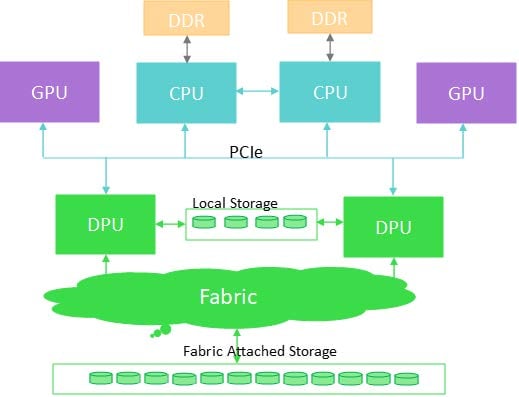
NVIDIA has transformed from a traditional graphics processing unit company into a full-stack computing platform provider. Its data center roadmap includes three types of chips: CPU, GPU, and DPU, referred to as the "three pillars of future computing."
This strategic shift signifies that NVIDIA is no longer content with just providing graphics processing power but aims to deliver complete hardware solutions for the entire computing ecosystem. These three chip types work together to provide unparalleled acceleration for computing needs of all scales.
In 2021, NVIDIA launched its first central processing unit, Grace, targeting massive AI models and high-performance computing. Systems based on Grace, tightly integrated with NVIDIA GPUs, demonstrated 10 times higher performance than the most advanced NVIDIA DGX systems running on x86 CPUs at the time.
Data Center AI Chips: Giants Handling Terabyte-Scale Computation
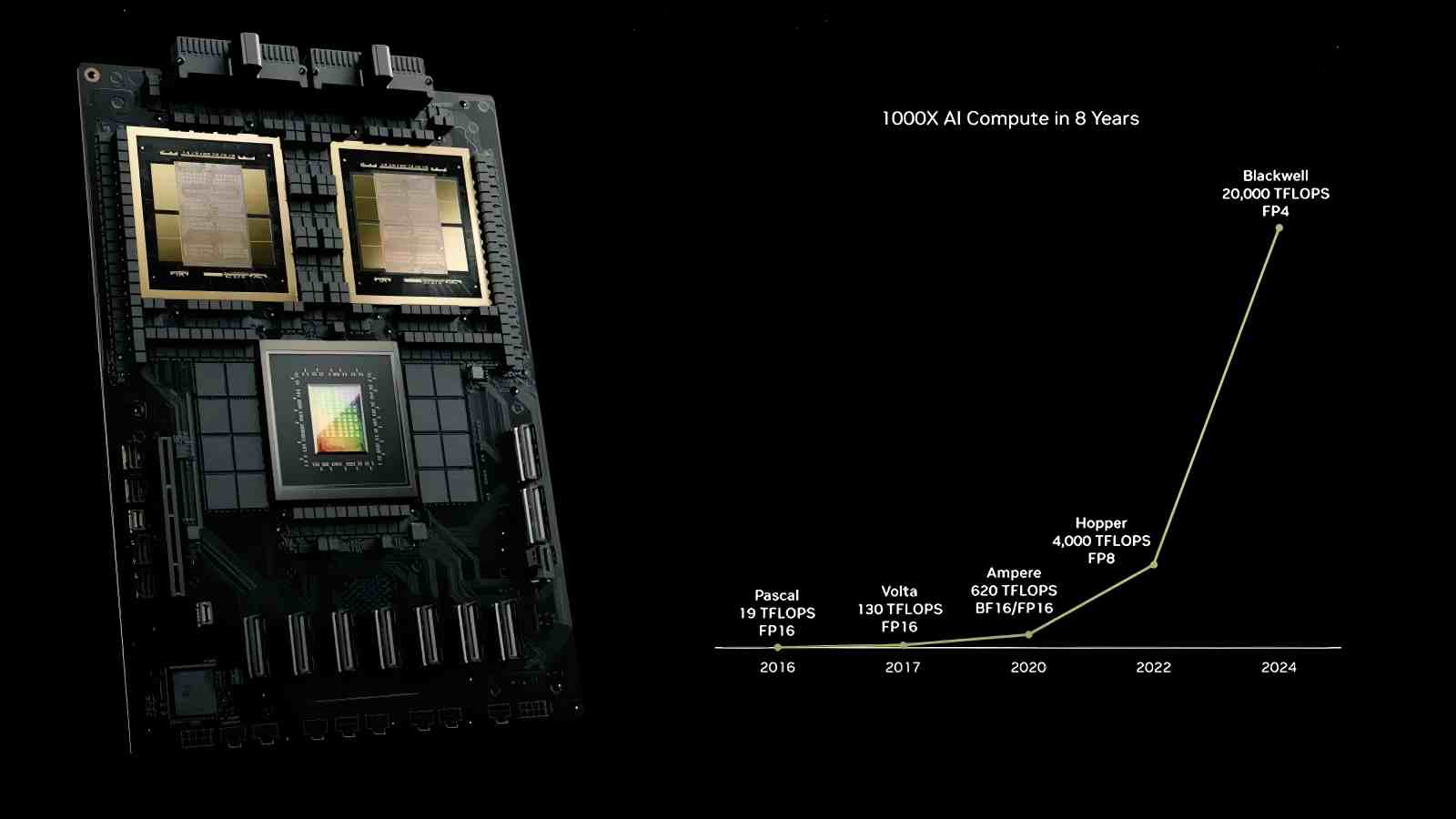
NVIDIA's data center AI chip series primarily includes the Tesla V100, A100, and the newly launched Rubin CPX. These chips are optimized for AI workloads and deep learning, widely used in cloud computing, supercomputing, AI model training, and inference scenarios involving large-scale data processing.
● The Tesla V100, featuring the Tensor Core architecture, is a GPU accelerator for data centers. The A100, based on NVIDIA's Ampere architecture, delivers exceptional computational performance and AI acceleration capabilities.
● The Ampere architecture, built with 54 billion transistors, is the largest 7-nanometer chip ever made, incorporating six key breakthrough innovations.
● The third-generation NVLink technology doubles the direct GPU-to-GPU bandwidth to 600 GB/s, nearly 10 times faster than the fourth-generation PCIe speed.
● The Rubin CPX, launched in September 2025, is the first chip built specifically for models that need to process vast amounts of knowledge (millions of tokens) at once and perform AI inference.
It is optimized for long-context performance at the "millions of tokens" level, featuring 30 petaFLOPs of NVFP4 compute power and 128GB of GDDR7 memory.

GeForce Gaming GPUs: Revolutionizing from Graphics Rendering to AI Gaming
The RTX 40 Series graphics cards feature the latest DLSS 3 AI frame generation technology, offering up to a 4x performance boost in games.
A suite of specialized technologies—including Optical Flow Accelerator, Motion Vectors, Optical Flow Multi-Frame Generator, and Reflex ultra-low latency pipeline—delivers extreme performance for gamers, achieving up to 4K resolution at 100 FPS.
Full Ray Tracing (or Path Tracing) enhances ray tracing effects from being applied only to specific surfaces to generating realistic, scene-wide ray tracing comparable to live-action footage. The behavior of light rays and reflection intensity are significantly improved, creating deeper darks and brighter brights, allowing gamers to experience a new level of immersion.
The 40 Series cards also feature the 8th-generation NVENC encoder, adding support for AV1, the future mainstream standard for video streaming. Compared to H.264, AV1 provides better signal-to-noise ratio, resulting in superior image quality at the same resolution and bitrate.
In January 2025, NVIDIA released the DLSS 4.0 upgrade for RTX 40 Series cards, utilizing a more advanced AI model that not only boosts performance and reduces latency but also significantly decreases VRAM consumption.
Professional Visual Computing: The Power of Ampere and Ada Architectures
The NVIDIA Ampere architecture builds upon the capabilities of RTX, significantly boosting performance for rendering, graphics, AI, and compute workloads.
The 2nd Gen RT Core offers double the throughput of the previous generation and can concurrently run ray tracing with shading or denoising. This dramatically accelerates workloads like photorealistic rendering for film content and virtual prototype creation for product design.
The 3rd Gen Tensor Core, with new Tensor Float 32 (TF32) precision, delivers 5x the training throughput of the previous generation, accelerating AI and data science model training without requiring code changes.
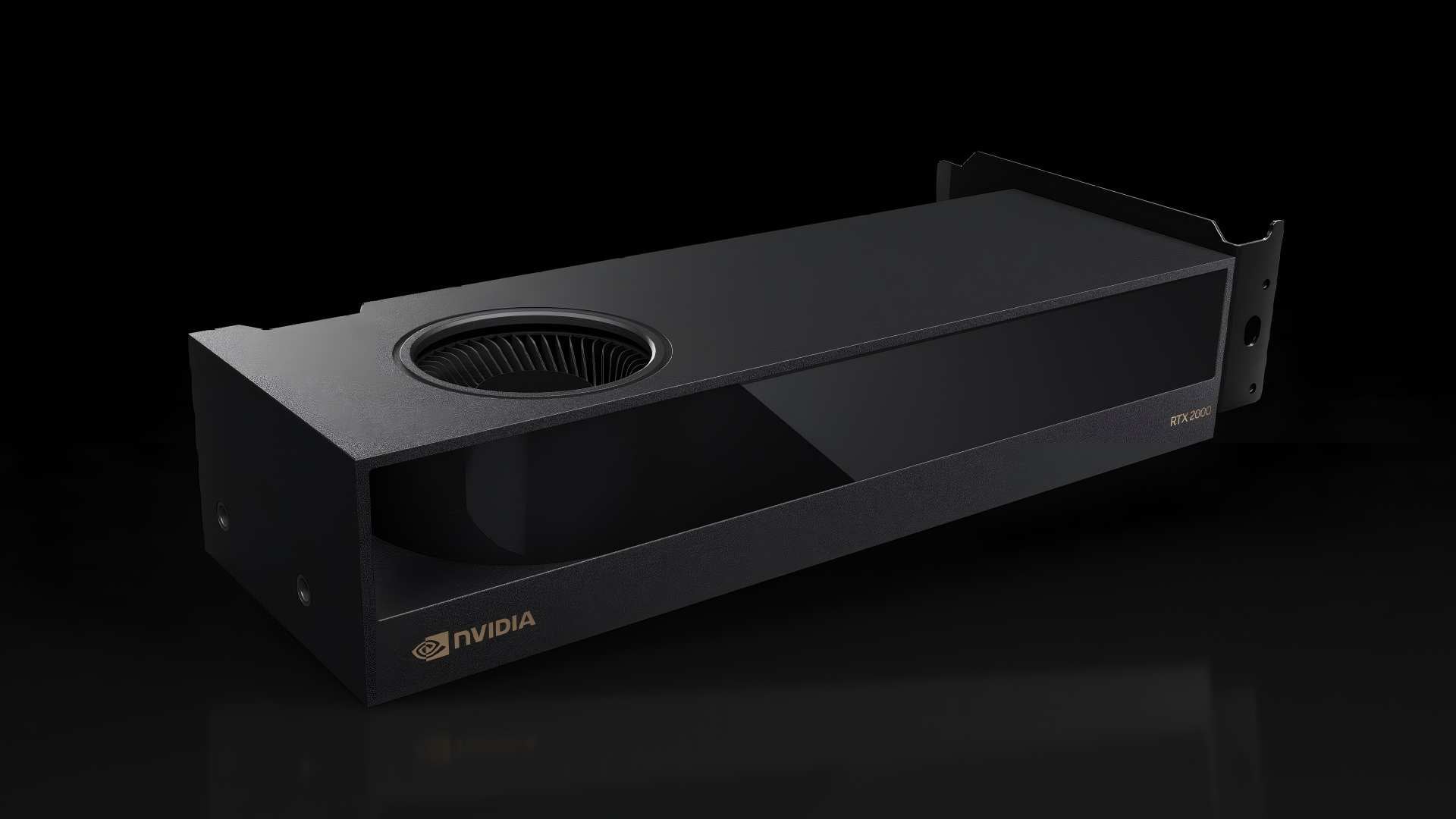
The NVIDIA RTX 2000 Ada Generation brings the cutting-edge Ada Lovelace architecture to more professionals. With 16GB of GDDR6 memory, it provides data scientists, engineers, and creative professionals with substantial memory capacity to handle large datasets, rendering, data science, and simulation workloads.
Edge and Embedded Systems: Intelligence Empowered by Jetson and Drive Platforms
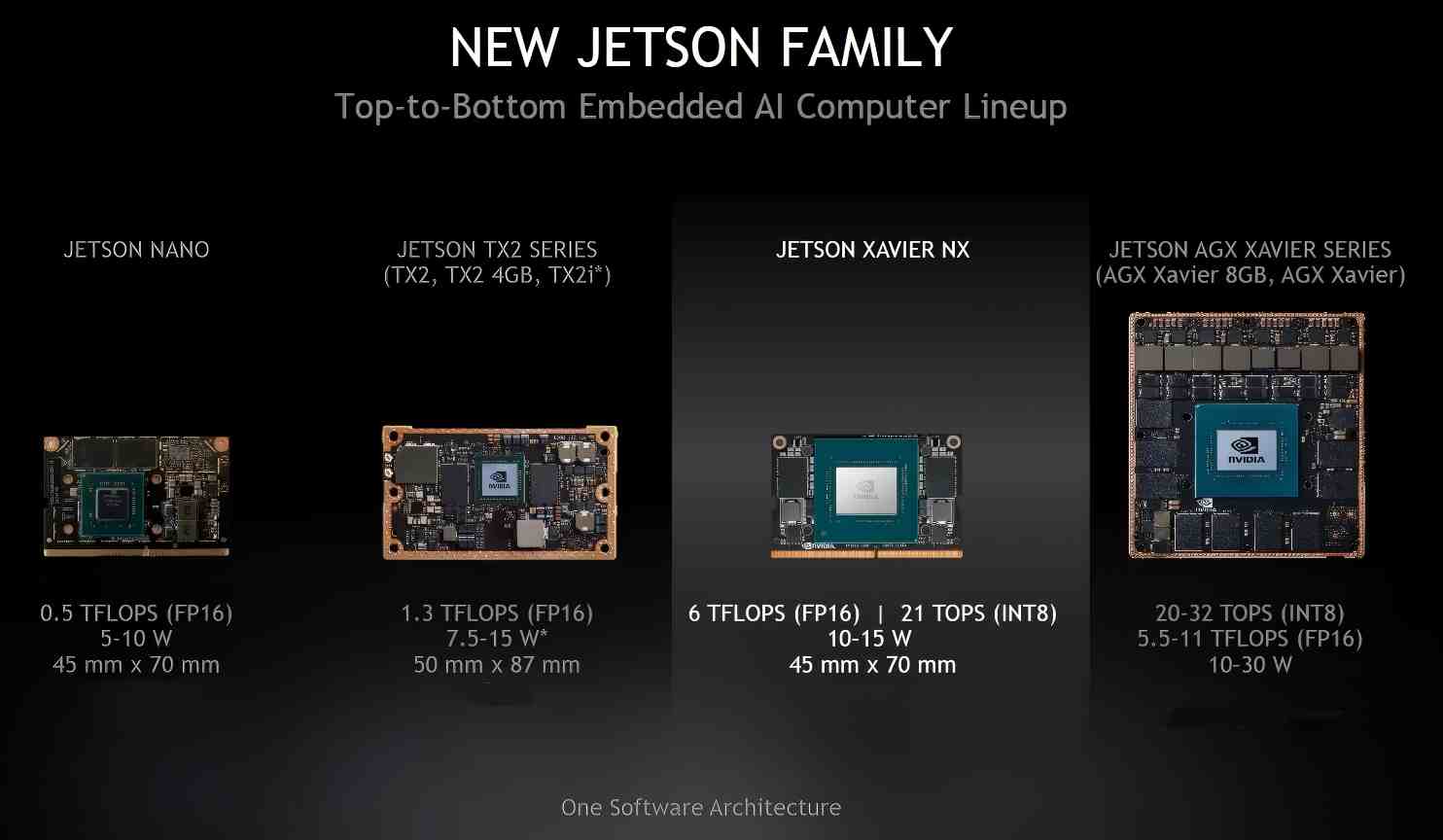
The NVIDIA Jetson series is an AI computing platform for embedded systems and edge computing, integrating high-performance GPUs and deep learning accelerators. They are used in applications requiring local AI processing, such as intelligent video analytics, autonomous vehicle systems, industrial automation, and smart cities.
The Drive series is an AI computing platform specifically designed for autonomous driving and intelligent transportation systems, integrating GPUs, vision processing units, and sensor processors. This platform is used for perception, decision-making, and control in autonomous vehicles, supporting the implementation of Advanced Driver-Assistance Systems (ADAS) and autonomous driving technology.
NVIDIA announced its next-generation AI autonomous vehicle processor, DRIVE Atlan, with a projected performance of 1000 TOPS—approximately four times the performance of the previous-generation Orin processor—exceeding the total compute capability of most L5 autonomous taxis.
Future Outlook: NVIDIA's AI Chip Development Strategy
Facing intense market competition, NVIDIA is consolidating its leadership through a series of strategic moves. In September 2025, NVIDIA spent over $900 million to recruit AI hardware startup Enfabrica's CEO Rochan Sankar and his team, while also securing licensing rights to the company's technology.
Enfabrica's core technology involves building a specialized networking chip capable of interconnecting up to 100,000 AI compute chips at high speed, enabling massive chip clusters to work in concert like a single, super-large computer.
This architecture can significantly reduce data transfer latency and chip idle time caused by insufficient network bandwidth, while simultaneously delivering higher computational efficiency.
Tech giants are also developing their own chips. OpenAI is collaborating with U.S. chipmaker Broadcom to launch its own AI chip next year, aiming to reduce reliance on NVIDIA.
Google, Amazon, and Meta are also investing heavily in developing their own custom AI chips.
According to China Merchants Securities, the rise of in-house AI chip development signals a shift in the AI infrastructure industry from a "single GPU supply constraint" model towards "diversified custom chip solutions."
As AI application scenarios continue to expand, NVIDIA's chip portfolio is also continuously evolving.
From Microsoft's $4 billion data center investment in Wisconsin to future high-density server racks capable of housing 72 GPUs per enclosure, NVIDIA's hardware is underpinning the construction of global AI infrastructure.
The chip wars are far from over; the battlefield has simply expanded from personal computers to the entire intelligent computing ecosystem. With its diverse chip portfolio and forward-looking strategic planning, NVIDIA is securing a strong position in this conflict.
It not only provides the computing power for AI but is also constantly redefining the very boundaries of what computing power can be.


.jpg "Optical Communication Revolution: Permanently Programmable Fiber Splitters Break Through Network Upgrade Bottlenecks")





No comments have been posted yet.