


.webp)


Fiber loopback cables are an essential tool in the optical network field and a fundamental component of fiber optic system testing, maintenance, and troubleshooting. The loopback cables are designed to create a a closed loop path for optical signals, allowing the technicians to efficiently verify the functionality of network devices. Fiber loopback cables are easy to use and effective, making them indispensable in many optical network application scenarios.
Technical Principle of Fiber Loopback Cable
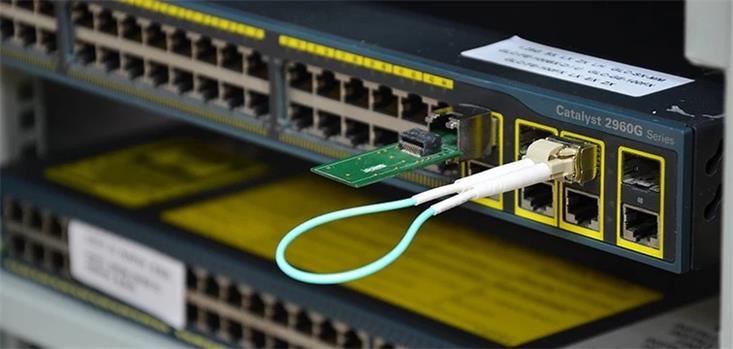
The core of fiber loopback cable is the principle of optical signal circulation. After being connected to an optical device, the cable forms a loop, and the transmitted optical signal starts from the signal source, passes through the cable and returns to the receiver of the same device. This is due to the design of the physical structure of the cable, which aims to minimize interference and distortion of the signal.
The cable's core, typically glass or plastic, conducts the light. A less refractive material coats the core so that the light signal will remain within the core by total internal reflection. A protective jacket protects the internal components from physical damage, environmental factors such as moisture and temperature, and electromagnetic interference, all which disrupt signal integrity when the equipment is being tested. Understanding these technical details helps explain why fiber loopback cables provide accurate and sound test results.
Core Applications in Optical Testing
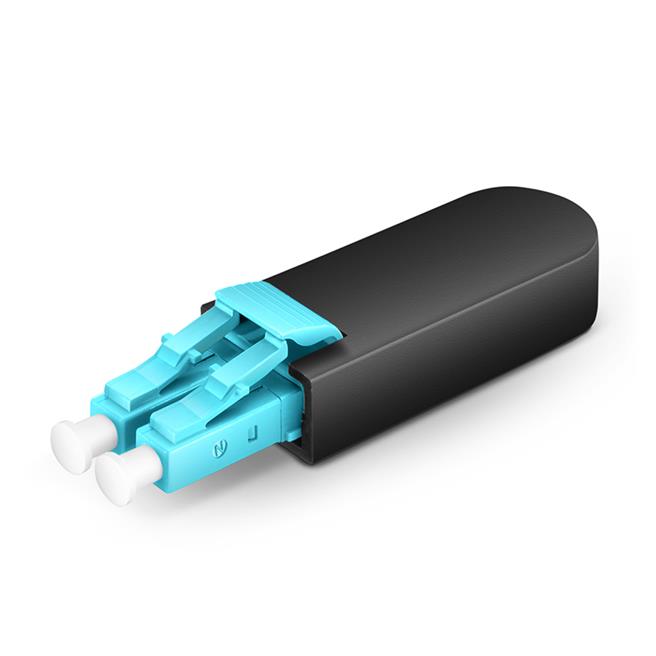
The principal use of fiber loopback cables is in optical network equipment testing. Whether it is new equipment installation, routine maintenance, or emergency repairs, the cables provide a direct way to evaluate the operating status of equipment. Consider the example of building a new fiber link, where one can transmit a test signal from the transmitter through a loopback cable that returns to the receiver through the loop. This allows the measurement of crucial parameters such as signal loss, latency, and system performance as a whole. This ensures that components such as switches, routers, and transceivers are working properly before full deployment, to avoid potential problems in the network.
In a real-world scenario, when technicians install a large data center network, they test every fiber port of a switch with a fiber loopback plug. Technicians send a series of test patterns through the loopback cable and analyze the received signals. When signal loss exceeds the acceptable threshold or a mistake in the received data, it indicates a problem with the port, the cable connection, or the transceiver module. In this way, potential faults are detected and corrected prior to wasting time and resources in the future.
Assisting with Network Restoration and Troubleshooting

Apart from testing, fiber loopback plugs are also extremely helpful for network recovery and trouble shooting. In case there is an outage in an optical network, the technicians use loopback plugs or loops to locate the fault. By inserting loopback devices at different points along the fiber link, they can determine whether the fault is with the device, with the cable itself, or with the connection point. This method greatly reduces the time to locate the fault, which is crucial to minimizing downtime, especially in mission-critical networks, where even a short interruption can cause significant losses.
For example, in a telecommunication network, when a specific area loses connection suddenly, engineers test it first using the loopback plugs at the central office equipment. If the loopback test is fine, they move to the intermediate nodes of the fiber line to conduct additional testing. By progressively narrowing down the test range, they can directly determine whether the problem is due to damage to the field fiber plug, a faulty optical amplifier, or a misconfiguration of network equipment. This systematic approach, supported by fiber loopback plugs, enables network services to be reinstated quickly.
Diversity of Connector Types and Fiber Modes

The fiber loopback cable is equipped with different types of connectors to cater to compatibility in different network infrastructures. FC, LC, MT-RJ, and SC are some of the popular connector types each catering to specific devices. The range helps the cables to be compatible with a wide range of situations from traditional systems to modern-day high-density networks.
In addition, fiber loopback cables are divided into two types: single-mode and multi-mode. Single-mode fiber is suitable for long-distance communication due to its low loss and high bandwidth in long-distance transmission; multi-mode fiber is most suitable for short-distance and relatively higher bandwidth requirement, and is suitable for local area networks and data centers.
High-density MPO/MTP connectors are increasingly popular in data centers today. The connectors can accommodate numerous fibers within a single connection, which can greatly improve the cable management efficiency. For example, a 12-core or 24-core MPO loopback cable can test multiple parallel optical channels at a time, which can greatly reduce the overall test time compared to the utilization of a single single-core loopback cable.
Applications in Different Industries
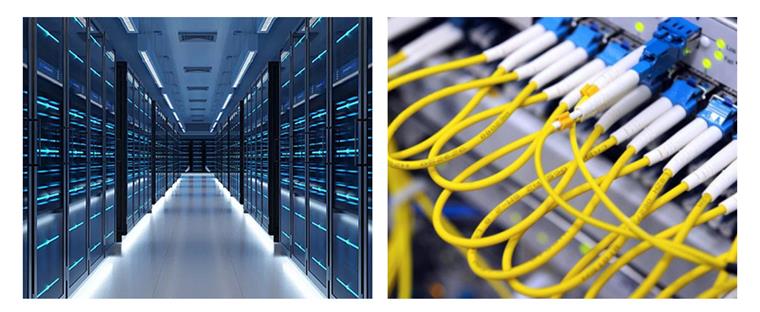
Fiber loopback cables are widely used in various industries. In the telecommunication sector, they play a key role in maintaining reliability of broadband networks; data centers rely on them for test and maintain of high-speed interconnects for error-free data transfer; research institutions utilize them for the development and verification of optical components; stable, dependable network connections are critical to production processes even in factory settings, and fiber loopback cables assist in providing continuous and error-free operation of the network.
For example, in the medical industry, fiber optic networks are used to transmit sensitive medical data, such as high-resolution imaging and real-time patient monitoring information. Fiber loopback cables are used to regularly test these networks to ensure data integrity and uninterrupted service, which is critical to patient care. In the aerospace field, when developing and testing avionics systems that rely on fiber optic communications, loopback cables help verify the performance of optical links in harsh environments.
Conclusion
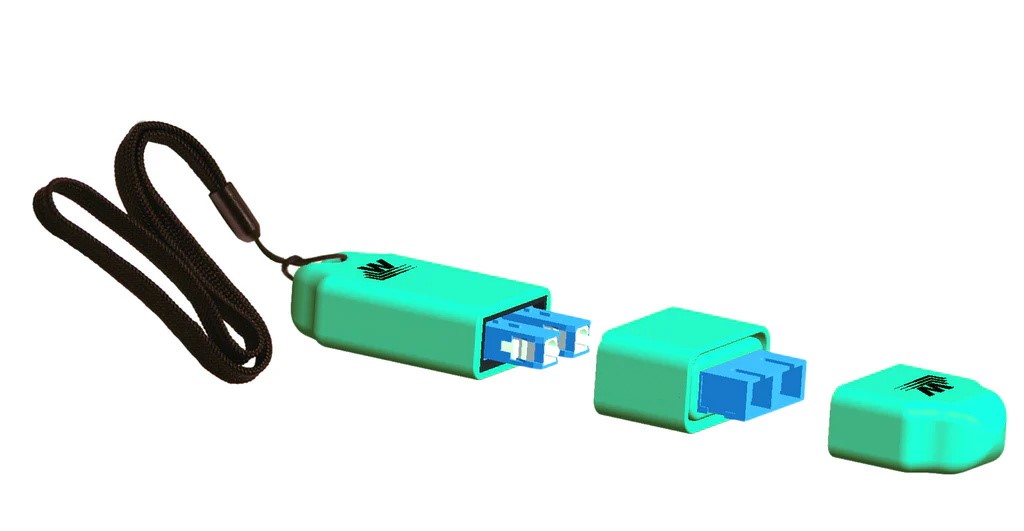
In short, the fiber loopback cable plays an important role in the optical network domain. Its characteristic of simplifying testing processes, facilitating network recovery, and easily supporting a variety of connectors and fiber modes offers a useful tool with a multitude of uses. As optical networks advance and become increasingly sophisticated, the need for high-performance fiber loopback solutions offered by such platforms as Fibermart will be on the rise. Fibermart provides an assortment of fiber loopback cables covering different connector types, fiber modes and features, providing technicians and engineers with reliable tools to effectively maintain and optimize optical network systems. Looking forward to your contact!





No comments have been posted yet.