


.webp)


In our interconnected world, where the exchange of information happens at lightning speed, data connections’ reliability is non-negotiable. But have you ever wondered about the behind-the-scenes magic that makes it all possible?
A meticulous technique known as fiber optic polishing is responsible for transforming raw optical fibers into high-performance conduits for data transmission to ensure that every bit and byte reaches its destination with unparalleled precision.
So, the process that may seem like a minor detail plays a crucial role in guaranteeing efficient light transmission, minimizing signal loss, and maximizing signal quality.
Explore our collection of fiber polishing machine here!
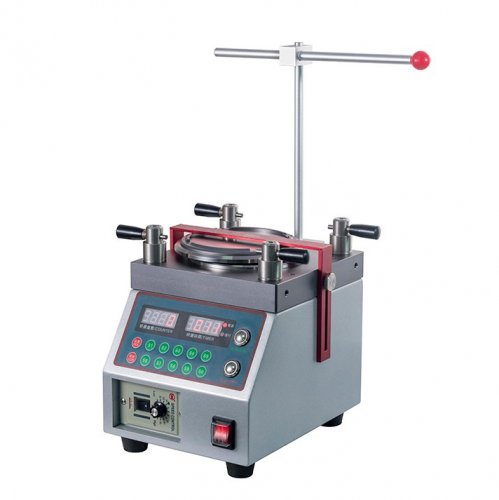
What Is Fiber Optic Polishing
As the final step in the manufacturing process, fiber optic polishing refers to the process of refining the end faces of optical fibers and connectors to achieve optimal light transmission. This procedure involves removing imperfections and irregularities from the fiber's surface, resulting in a smooth and flat finish.
The Process of Fiber Optic Polishing
Initially, the fiber end faces are cleaved to ensure a smooth and flat surface for polishing. Subsequently, the polishing process begins, typically involving the use of abrasive films or polishing pads with progressively finer grits.
This gradual refinement ensures that any surface irregularities or imperfections are gradually eliminated, resulting in smooth and flat fiber end faces. Finally, the polished fibers undergo inspection and testing to verify their quality and performance before being integrated into optical components or connectors.
3 Most Common Types Of Polishing Methods Used In Fiber Optics
Mechanical Polishing
Mechanical polishing is the most widely used method for polishing fiber optic connectors. It involves the use of abrasive films or pads to physically remove material from the fiber end face, resulting in a smooth and flat surface. Mechanical polishing is relatively simple and cost-effective, making it suitable for mass production and field installations.
Electrochemical Polishing
Electrochemical polishing, also known as electrolytic polishing, utilizes an electrolyte solution and an electric current to dissolve surface imperfections and achieve a smooth finish. This method is particularly effective for polishing hard materials such as ceramic or sapphire ferrules. Electrochemical polishing can produce high-quality results with minimal risk of damage to delicate components.
Chemical Polishing
Chemical polishing involves the use of acidic or alkaline solutions to etch the surface of the fiber end face, removing irregularities and producing a smooth finish. Chemical polishing can be highly effective for achieving precise surface geometries and reducing surface roughness. However, it requires careful control of the chemical composition and processing conditions to avoid over-etching or damaging the fiber.
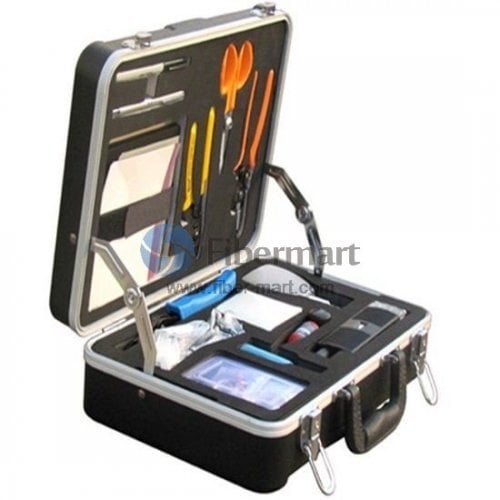
Why Is Fiber Optic Polishing Essential for High-Quality Connections?
#1- Minimizing Signal Loss
Imperfections or irregularities on the fiber end face can cause signal attenuation, leading to diminished performance. Meticulously polished fiber end faces help mitigate imperfections, allowing for efficient light transmission and minimal signal loss.
#2- Reducing Optical Return Loss (ORL)
ORL refers to the reflection of light back into the optical fiber due to imperfections on the fiber end face. Fiber optic polishing smoothens and flattens the fiber end faces, minimizing ORL and ensuring optimal signal integrity.
#3- Minimizing Insertion Loss
Insertion loss occurs when light is attenuated as it passes through the connection point between two optical fibers or components. Irregularities or misalignments in the fiber end faces can exacerbate insertion loss, leading to decreased signal strength and compromised performance. Through precise polishing, these irregularities are eliminated, allowing for efficient light transmission and enhanced connection quality.
#4- Enhancing Connector Durability and Reliability
Beyond its impact on signal transmission, fiber optic polishing also plays a crucial role in ensuring the durability and reliability of fiber optic connectors.
A properly polished fiber end face creates a tight and secure connection between optical components, minimizing the risk of signal interruptions due to vibrations, environmental factors, or mechanical stresses.
This enhanced reliability ensures consistent performance and longevity of the network infrastructure, reducing the need for frequent maintenance and repairs.
#5- Achieving Low Reflectance Connectors
High reflectance connectors can have detrimental effects on signal stability and the overall performance of fiber optic networks.
Reflections from these connectors can cause signal distortion and interference, leading to data errors and communication disruptions. Through meticulous polishing techniques, low reflectance connectors are achieved, ensuring stable and reliable operation even in demanding optical environments.
#6- Improving Network Efficiency and Cost-Effectiveness
Polished fiber connections reduce the need for signal amplification and regeneration equipment, resulting in lower operational costs and improved energy efficiency.
Reduced signal loss translates to lower operational costs and improved energy efficiency, making polished connectors a sustainable choice for modern communication infrastructures.
Moreover, the enhanced reliability and durability of polished connectors result in fewer maintenance requirements and less downtime, further optimizing network performance and productivity.
Explore More: Fiber Connector Polishing Tips and Practices
Addressing Common Fiber Optic Polishing Issues for Optimal Performance
Scratches and Defects
One of the most prevalent issues in fiber optic polishing is the occurrence of scratches or defects on the end faces of optical fibers. These imperfections can arise from abrasive particles, improper handling, or subpar polishing techniques. Scratches can degrade signal quality and become sites for dust and contaminant accumulation, exacerbating the problem over time.
Solution: To address scratches and defects, technicians must carefully inspect the polishing surface before and after the polishing process. Using high-quality polishing films or pads with the appropriate abrasive grit can help minimize the risk of surface damage.
Additionally, maintaining proper polishing techniques, such as applying consistent pressure and ensuring even distribution of abrasives, can mitigate the occurrence of scratches.
Uneven Polishing
Uneven polishing can result in variations in surface smoothness and geometry across the polished fiber end faces. This can lead to inconsistencies in signal transmission and alignment issues between connected fibers.
Solution: Achieving uniform polishing requires precise control of polishing parameters, including pressure, speed, and duration.
Using automated polishing machines with programmable settings can help ensure consistency and repeatability in the polishing process.
Additionally, periodically calibrating polishing equipment and replacing worn polishing components can help maintain optimal performance.
Contamination
Contamination of the polishing surface with debris, oils, or other foreign particles can adversely affect the quality of the polished fiber end faces. Contaminants can introduce additional loss and increase the risk of signal degradation.
Solution: Proper cleaning and maintenance of polishing equipment and work areas are essential for preventing contamination.
Technicians should use lint-free wipes and appropriate cleaning solutions to remove debris and oils from the polishing surface before and after each polishing cycle.
Implementing strict cleanliness protocols and ensuring a controlled environment can minimize the risk of contamination during the polishing process.
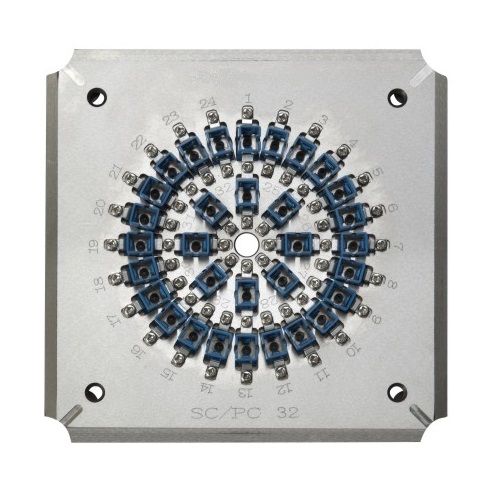
Incorrect Polishing Angle
The angle at which the fiber is polished can significantly impact the quality of the polished surface and the performance of the optical connection. Incorrect polishing angles can lead to misalignment between fibers and increased insertion loss.
Solution: Ensuring proper alignment and orientation of the fiber during the polishing process is crucial for achieving optimal results.
Using precision polishing fixtures and alignment tools can help maintain the correct polishing angle and ensure consistent results.
Technicians should also follow manufacturer specifications and industry standards for polishing angles to minimize errors and ensure compatibility with other optical components.
Recommended Read: Daily Maintain For Fiber Polishing Holder, Fiber Polishing Machine
Choose Fibermart For Fail-Proof Network Infrastructure Solutions
As a crucial step in ensuring high-quality connections, fiber optic polishing is where performance meets precision. Whether you're optimizing data center infrastructure, deploying fiber-to-the-home networks, or enhancing telecommunications backbones, our polishing techniques deliver unparalleled results.
Get in touch to experience seamless data transmission, reduced signal loss, and enhanced reliability with our meticulously polished fiber connectors. From FC to LC, SC to MPO, and beyond, Fibermart offers a comprehensive selection of connectors to suit every requirement.
But our commitment doesn't end with top-quality products. At Fibermart, we prioritize customer satisfaction, providing professional guidance and support every step of the way. Our dedicated team ensures that your network construction and maintenance are not only hassle-free but also cost-effective.
Shop now to experience the difference in network quality and performance with Fibermart. Call now to discuss your requirements for standard and OEM solutions offered at wholesale rates.





No comments have been posted yet.