


.webp)


Military-grade fiber optic cables represent the pinnacle of reliability and performance in communication technology. Unlike their commercial counterparts, these specialized cables are engineered to meet the rigorous demands of defense applications where failure is not an option. They are designed to maintain signal integrity across vast distances while withstanding environmental conditions that would destroy conventional fiber optics.
These cables incorporate advanced materials and construction techniques to achieve exceptional durability. For instance, the temperature tolerance of military-grade cables typically spans from -55°C to +85°C, compared to standard commercial cables that might only function from -20°C to +60°C. This extended range ensures reliable operation in diverse environments from desert heat to arctic cold, making them indispensable for global military operations.
The fundamental difference lies in their certification standards. Military-grade cables must comply with stringent specifications such as MIL-PRF-49291 and MIL-DTL-83526, which govern everything from materials selection to performance testing. These standards ensure interoperability with existing military systems while providing the robustness required for battlefield deployment.
The Structure of Military-Grade Fiber Optic Cables
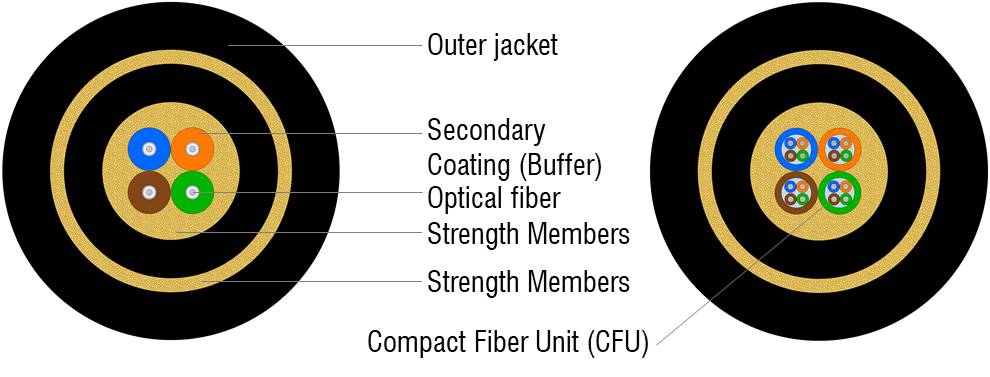
The exceptional performance of military-grade fiber optic cables stems from their sophisticated multi-layer architecture, where each component serves a specific protective function:
Core Components:
Optical Fibers
Typically utilize pure silica core with hardened cladding, featuring enhanced numerical aperture for better light transmission. Specialty fibers like polarization-maintaining or radiation-hardened variants are common in sensitive applications.
Buffer Systems
Employ tight-buffered designs with multiple layers of UV-cured acrylate coatings, providing 600% better crush resistance than loose-tube designs used in commercial applications.
Strength Members
Integrate braided aramid yarn (Kevlar®) with strain ratings exceeding 800 pounds, combined with fiberglass epoxy rods for compressive strength.
Barrier Layers
Incorporate hermetically sealed metallic moisture barriers, often using corrugated stainless steel tubes that provide both mechanical protection and EMI shielding.
Armor Systems
Feature interlocked galvanized steel or aluminum armor with minimum thickness of 0.015 inches, capable of withstanding 2000 lbs/in crush resistance.
Jacket Materials
Utilize specialized compounds like chlorosulfonated polyethylene or polyurethane with additives for UV resistance, flame retardancy (meeting MIL-DTL-24643 smoke and toxicity requirements), and chemical resistance.
Comparative Analysis of Military vs. Commercial Fiber Optic Cables
| Parameter | Military Grade | Commercial Grade |
|---|---|---|
| Temperature Range | -55°C to +85°C | -20°C to +60°C |
| Tensile Strength | > 800 lbs | 100-200 lbs |
| Crush Resistance | 2000 lbs/in | 250 lbs/in |
| Water Resistance | Hermetic sealing | Gel filling |
| EMI Protection | 100 dB shielding | No shielding |
| Certifications | MIL-SPEC compliant | TIA/EIA standards |
The manufacturing process involves rigorous quality control, with each production batch undergoing accelerated aging tests, mechanical stress testing, and optical performance validation under extreme conditions.
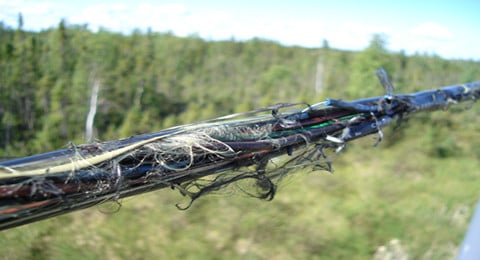
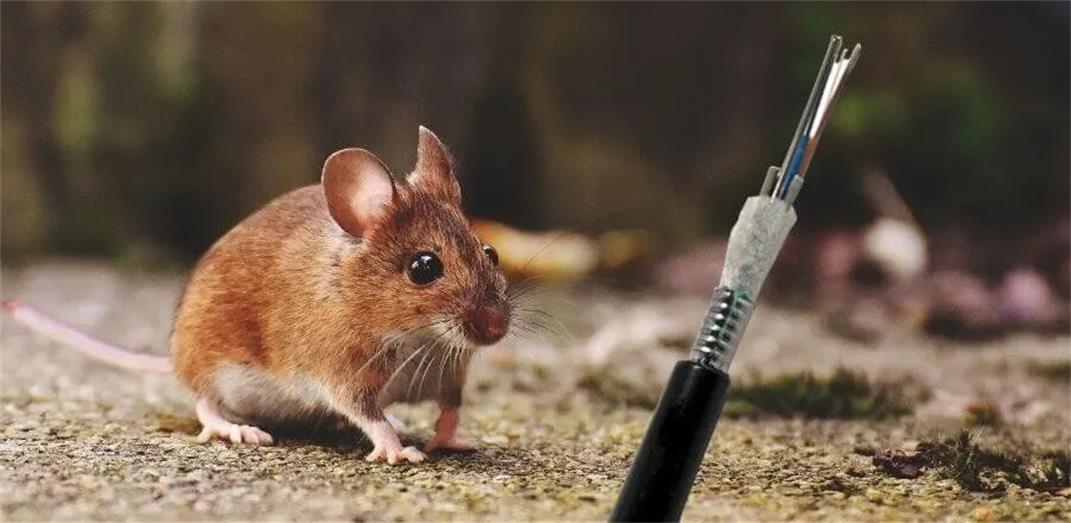
The Circumstances Regular Optical Cable Would Face In Extreme Conditions.
Different Types of Military Fiber Cables
Military-grade fiber optic cables represent specialized communication solutions engineered to perform in the world's most demanding environments. Unlike commercial cables, these ruggedized systems combine advanced materials, protective designs, and military-specific certifications to ensure reliability in extreme conditions ranging from battlefield operations to deep-sea missions. Their development has been driven by the critical need for secure, interference-resistant communication that can withstand electromagnetic pulses, physical abuse, temperature extremes, and chemical exposure.
These cables are categorized by their structure, fiber type, deployment method, and specific application requirements, each offering unique capabilities tailored to different military scenarios:
Structural variants
Including tight-buffered designs for maximum flexibility in vehicles and aircraft; loose-tube configurations for moisture resistance in outdoor and buried applications; and heavily armored cables with stainless steel or aluminum protection for crush resistance up to 2000N/100mm. The most robust designs incorporate aramid yarn strength members (like Kevlar) achieving tensile strength exceeding 3000N/100mm, coupled with flame-retardant thermoplastic polyurethane jackets resistant to oils, chemicals, and abrasion.
Fiber-type classifications
Encompassing single-mode fibers for long-distance, high-bandwidth backbone networks; multi-mode fibers for shorter-range, high-data-rate applications within vehicles and ships; radiation-hardened fibers that maintain performance in nuclear environments; and emerging multi-core fibers that provide redundancy and increased capacity within a single cable.
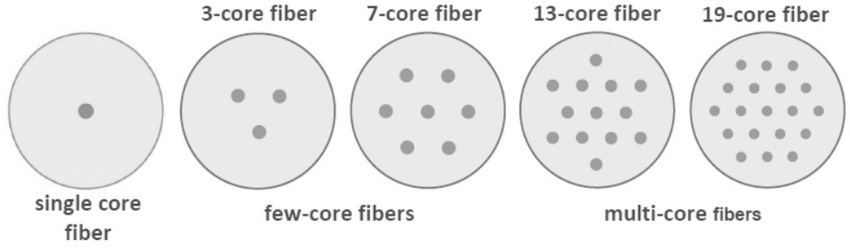
Deployment-specific designs
Including rapid-deployment cables lightweight enough for backpack transport with quick-connect connectors enabling sub-10-second mating; air-deployable cables for parachute delivery into inaccessible areas; and heavy-duty undersea cables with pressure-resistant, corrosion-proof construction for naval applications.
Application-specific innovations
Featuring fiber-optic drone cables for jamming-resistant reconnaissance; vehicular/aircraft cables rated for extreme temperatures (-55°C to +85°C) and vibration; and quantum communication cables with ultra-secure quantum key distribution capabilities.
These military-grade solutions comply with stringent standards including MIL-PRF-85045/16C for tight-buffered cables and MIL-DTL-38999 for connectors, offering performance characteristics far exceeding commercial alternatives—wider temperature ranges, superior mechanical protection, EMI/EMP shielding, and enhanced security features. Their evolution continues to drive advancements in both military and critical civilian infrastructure, where reliability under extreme conditions is paramount.
Why Military-Grade Optic Cables Needed To Be Invented
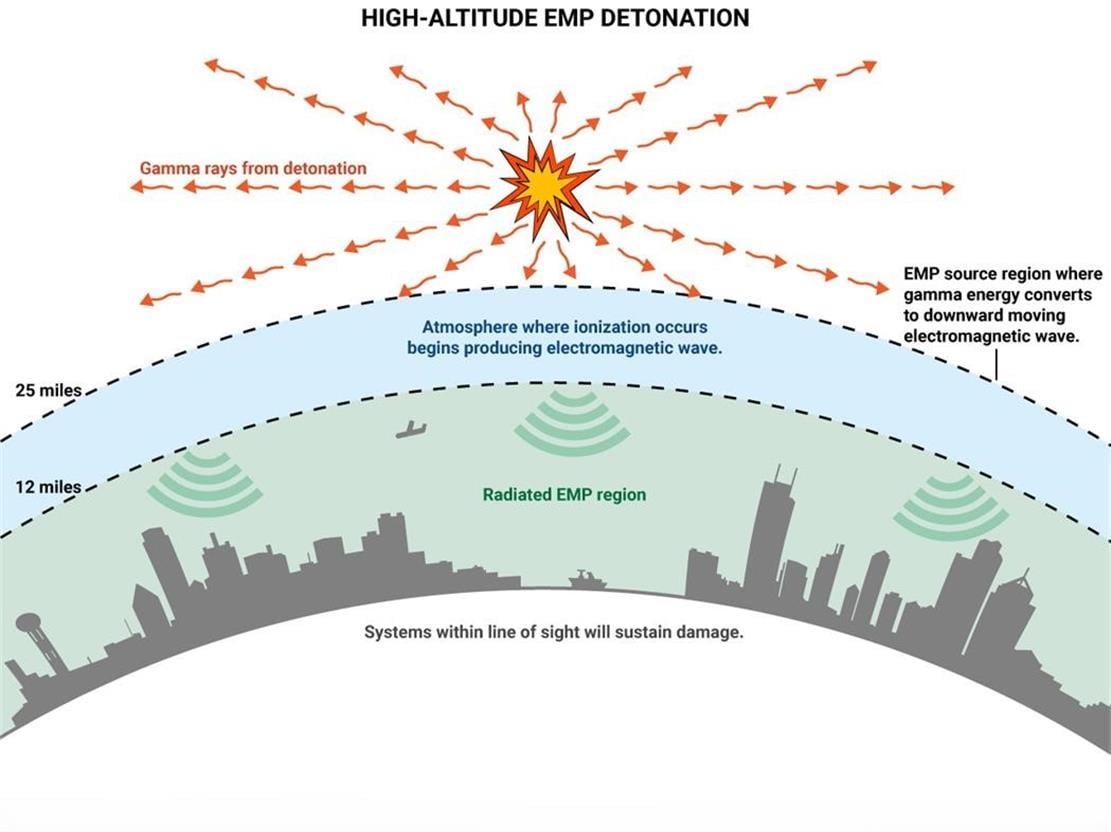
The development of military-grade fiber optic cables was driven by critical vulnerabilities in conventional communication systems during combat scenarios. Traditional copper-based communication systems proved susceptible to electromagnetic pulse (EMP) weapons, electronic warfare tactics, and environmental degradation, creating dangerous vulnerabilities in command and control networks.
Several key factors necessitated their development:
Electromagnetic
Vulnerability: Battlefield environments generate intense electromagnetic interference from weapons systems, radar installations, and electronic countermeasures. During the first Gulf War, numerous communication failures occurred due to EMP effects from high-altitude detonations, highlighting the urgent need for EMI-immune communication pathways.
Bandwidth Requirements
Modern digital warfare generates enormous data flows from drone feeds, satellite imagery, sensor networks, and real-time intelligence distribution. A single Predator drone video feed alone requires 6-8 Mbps bandwidth, while traditional copper systems couldn't support multiple simultaneous feeds over long distances.
Security Imperatives
Copper cables are susceptible to eavesdropping through electromagnetic induction techniques. During the Cold War, numerous intelligence operations successfully tapped into military communications by accessing copper lines. Fiber optics eliminate this vulnerability as they don't emit electromagnetic signals that can be intercepted.
Environmental Challenges
From the desert heat of Iraq to the Arctic cold of Alaska, military operations span extreme environments. Standard commercial cables failed repeatedly when subjected to temperature cycling, moisture intrusion, and mechanical abuse during deployment.
The turning point came after the 1983 Beirut barracks bombing, where communication failures contributed to the tragedy. This catalyzed significant investment in developing secure, reliable fiber optic systems specifically designed for military applications.
Applications For Military Tactical Optic Cables
Military-grade fiber optic cables serve as critical infrastructure across numerous defense and civilian applications:
Tactical Field Communications
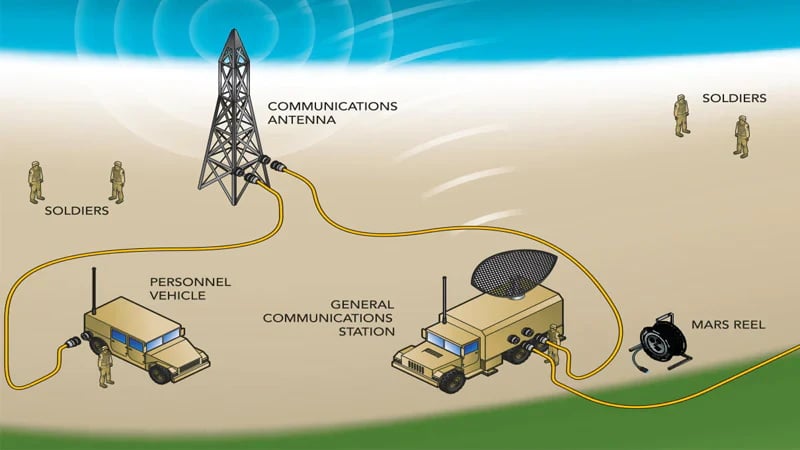
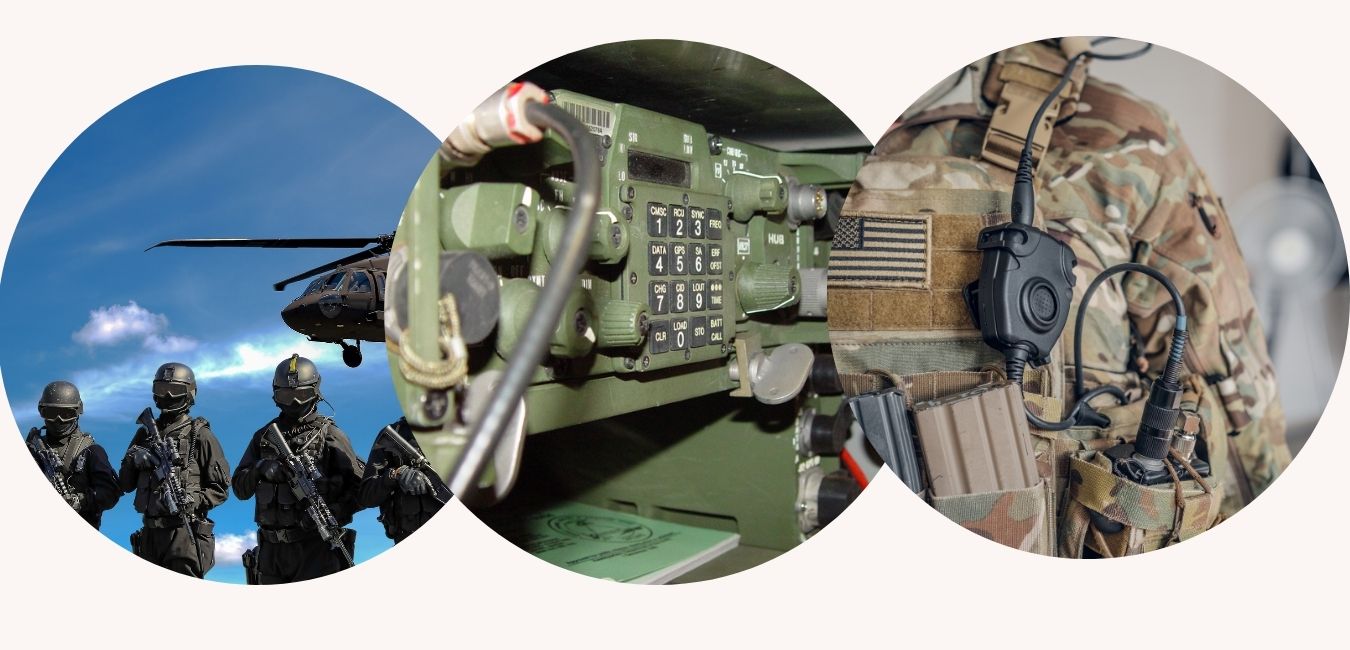
Modern battlefield networks rely on rapidly deployable fiber optic systems. The Joint Tactical Network now integrates fiber backbone connections between command centers, forward operating bases, and mobile units. Special rapid-deployment cables can be unspooled from moving vehicles at speeds up to 25 mph, establishing secure communication lines within minutes.
Weapons Systems Integration
Advanced weapons platforms depend on fiber optics for control and data transmission. The Aegis Combat System uses over 20 kilometers of specialized fiber optics within a single destroyer, connecting radar arrays, fire control systems, and command consoles. Fighter aircraft like the F-35 use fiber optics for their avionics networks, achieving data rates up to 10 Gbps between systems.
Surveillance and Intelligence Gathering
Distributed sensor networks for border security use buried fiber optic cables as detection systems. The Technology Assessment Program demonstrated that single fiber can detect intrusions along 50 km stretches through acoustic sensing technology, identifying foot traffic, vehicles, and even tunneling activities.
Critical Infrastructure Protection
Nuclear command centers use EMP-hardened fiber optic networks to ensure continuity of government operations. The Strategic Integrated Command and Control System employs triple-redundant fiber pathways with physical separation to prevent single-point failures.
Civilian High-Reliability Applications
Beyond military use, these cables serve in critical civilian infrastructure:
1. Nuclear power plant control systems
2. Undersea seismic monitoring networks
3. Arctic research station communications
4. Emergency response coordination centers
5. Financial trading networks where latency and reliability are paramount
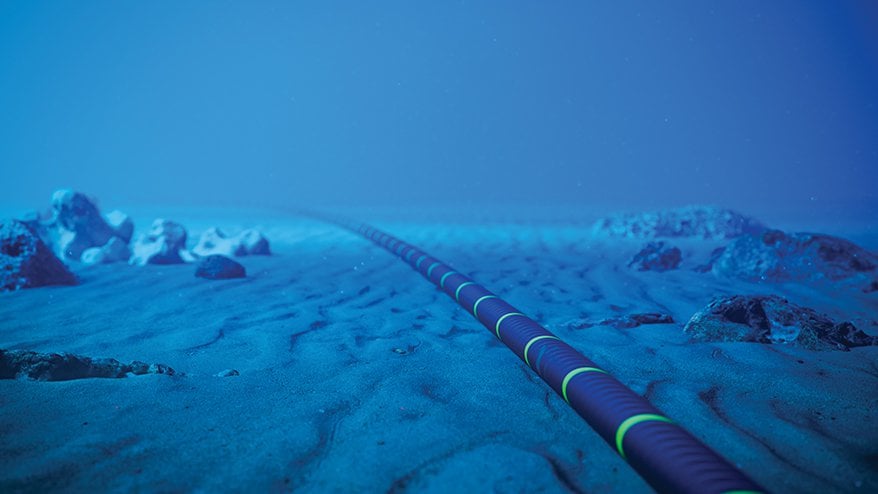
Table: Military Fiber Optic Applications and Performance Requirements
| Application | Environment | Performance Requirements | Example System |
|---|---|---|---|
| Submarine Communications | High pressure, salt water | 8000m depth rating, 25-year design life | Trident II D5 Missile System |
| Battlefield Networks | Abrasion, impact, moisture | 10-minute deployment time, EMP immunity | AN/GSC-52 SATCOM Terminal |
| Aerospace Systems | Vibration, temperature extremes | -65°C to +260°C operation, 100Gbps throughput | F-35 Lightning II Avionics |
| Fixed Installation | EMP, physical attack | 2000 lbs crush resistance, EMP hardening | NORAD Command Center |
The 2020 Armenian-Azerbaijani conflict demonstrated the critical importance of fiber optics, where both sides specifically targeted communication infrastructure with precision weapons, highlighting their strategic value in modern warfare.
Advantages And Disadvantages of Tactical Military Fiber Optic Cables
Advantages
Enhanced Security: Military fiber optics offer inherent security advantages. Unlike copper cables that radiate electromagnetic signals vulnerable to interception, fiber optics are extremely difficult to tap without detection. Advanced systems incorporate fiber monitoring that can detect attempted intrusions with spatial accuracy within 10 meters over 100 km distances.
Superior Bandwidth Capacity: A single military-grade single-mode fiber can carry over 400 Gbps of encrypted data using DWDM technology, sufficient to transmit thousands of simultaneous video feeds, voice communications, and sensor data streams. This capacity proves crucial for modern network-centric warfare requirements.
EMI/RFI Immunity: The complete immunity to electromagnetic and radio frequency interference allows operation in electrically noisy environments near radar systems, power generation equipment, or weapons systems. During electromagnetic pulse tests, fiber systems continued functioning while copper-based systems experienced permanent damage.
Environmental Resilience: These cables maintain performance in conditions that would destroy commercial cables. Testing includes:
1. 2000-hour salt fog exposure per MIL-STD-202
2. 1000-hour temperature cycling from -55°C to +85°C
3. Fluid resistance to fuels, hydraulic fluids, and solvents
4. UV exposure equivalent to 10 years of outdoor service
Long-Term Reliability: Designed for 25-year service life with mean time between failures exceeding 500,000 hours. The hermetically sealed construction prevents moisture ingress that typically causes 85% of field failures in commercial systems.
Disadvantages
Cost Considerations: Military-grade cables command premium pricing, typically 5-8 times more expensive than commercial equivalents. A meter of tactical fiber cable costs approximately $15-30 compared to $3-5 for commercial grade. Installation and termination require specialized training and equipment, adding to lifecycle costs.
Deployment Complexity: Field termination requires precision cleaving and polishing equipment often unavailable in forward areas. Fusion splicing in field conditions demands environmental protection and stable power sources, challenging in mobile operations.
Weight and Bulk: The enhanced protection increases cable weight significantly. Armored tactical cable weighs approximately 150 kg/km compared to 30 kg/km for standard distribution cable, impacting transportation and deployment logistics.
Maintenance Requirements: Although reliable, damaged sections require specialized repair procedures. Field repair kits must maintain clean room conditions for splicing, challenging in dusty or wet environments. Testing equipment like OTDRs requires trained technicians often in short supply in field units.
Technological Obsolescence: Rapid advances in fiber technology may outpace procurement cycles. Systems designed today may face obsolescence before reaching their 25-year design life, particularly with emerging quantum communication technologies on the horizon.
Reliable Vendor For Military Optic Fiber Cables
In the high-stakes realm of defense and critical infrastructure, communication isn't just about data—it's about mission success, security, and survival. For decades, Fibermart has stood as a world-renowned leader in optical technology, dedicating itself to delivering advanced, reliable, and cutting-edge fiber optic solutions. Today, this commitment extends to the most demanding environments on earth through our specialized range of military-grade fiber optic cables.
As an industry pioneer, Fibermart understands that standard commercial cabling is insufficient for the extreme conditions faced by defense and aerospace operations. Our military-grade solutions are engineered from the ground up to exceed the rigorous demands of the battlefield, ensuring unwavering performance where failure is not an option.
Conclusion
Military-grade fiber optic cables represent the convergence of materials science, optical engineering, and military necessity. They have evolved from simple communication links to sophisticated networked systems that form the central nervous system of modern defense infrastructure. Their development illustrates how specialized requirements drive technological innovation that eventually benefits civilian applications.
The future will see increased integration of fiber optics with emerging technologies. Quantum key distribution using fiber networks will provide unbreakable encryption for strategic communications. Multi-core fibers will increase capacity exponentially without increasing cable size. Self-healing networks using intelligent monitoring systems will automatically reroute communications around damaged sections.
As warfare becomes increasingly networked and data-dependent, the humble fiber optic cable will continue to play an outsized role in national security. Their development exemplifies how infrastructure technology, though often invisible, remains fundamental to military superiority and civilian resilience alike.
The lessons learned from military fiber optic development have already benefited civilian critical infrastructure, from earthquake monitoring networks to financial trading systems. This technology transfer exemplifies how defense investments ultimately strengthen the broader technological ecosystem, creating solutions that protect both national security and civilian lives.
Military-Grade Fiber Optic Cable FAQs
Q1: How tough are these things, really? Can I run over one with a truck?
A: Basically, yes. They are designed to survive being driven over by heavy vehicles, which is a real risk in field deployments. This is thanks to a stainless steel armor layer inside the cable that acts like a shield against crushing.
Q2: We're deploying in a swampy/muddy environment. Will the connectors get ruined?
A: Not if you use the right ones. Look for connectors with an IP67 rating. This means they are completely dust-tight and can be submerged in water over a meter deep for at least 30 minutes. They have rubber seals to keep mud and water out of the sensitive optical connection.
Q3: My team is constantly rolling cables up and unrolling them. How long will this cable last with that abuse?
A: This is a key feature of "tactical" fiber cables. They have a very flexible design and a specified dynamic bend radius. This means they are engineered to be coiled and uncoiled repeatedly without damaging the fragile glass fibers inside. The tough outer jacket also resists abrasion from being dragged on the ground.
Q4: It's freezing cold / extremely hot. Will the cable become brittle or melt?
A: No. Standard military-grade cables are rated for temperatures from -40°C to +70°C (or higher). The plastic used for the jacket (like Polyurethane) stays flexible in brutal cold and won't degrade quickly in intense heat.
Q5: Why is this cable so much more expensive and heavier than the one in my office?
A: You're paying for the "armor." The extra cost and weight come from the layers of protection that don't exist in a standard cable: the steel armor for crushing, the Kevlar strands for pull strength, and the thick, chemical-resistant jacket. It's the difference between a regular sedan and an armored truck.
Q6: We're working near powerful radios and radar. Will there be interference?
A: One of the biggest advantages of fiber optics is that it's immune to electromagnetic interference (EMI). Since the signal is light, not electricity, it won't be affected by radio waves or other electrical noise. This makes it perfect for noisy military environments.
Q7: An animal chewed through our last cable. How do I prevent that?
A: The armored version of these cables is specifically designed to prevent rodent damage. The metal armor layer is very difficult for animals to bite through, making it ideal for direct burial or use in areas with pests.
Q8: What's the difference between "tactical" cable and "mil-spec" cable I'm burying between buildings?
A: Tactical: Designed for mobility. Lighter weight, more flexible, often bright orange or tan, built for frequent deployment and retrieval by soldiers in the field.
Burial / Permanent: Designed for maximum protection. Heavier, more armored, often black, and built to be "set and forget" in the ground or in fixed infrastructure.





No comments have been posted yet.