


.webp)


Corporate businesses and organizations continue to adopt Wavelength Division Multiplexing today. Here’s everything you should know about it.
What is WDM and How Does It Work?
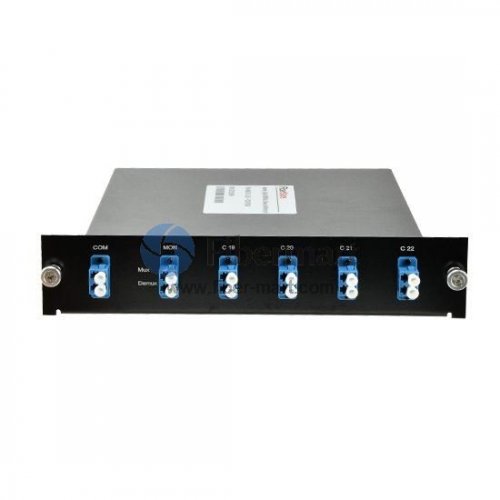
If there’s one thing that has played a significant role in helping the optimization of network investments by various organizations, it’s Wavelength Division Multiplexing or WDM. Primarily known for enhancing the utility and performance of fiber optic cables, Wavelength Division Muliplexing has been one of the most reliable procedures when it comes to increasing bandwidth with seamless connectivity.
Today, various service providers opt for WDM technologies because of their ease of use and multiple benefits compared to systems with complex and unaffordable infrastructures. With Wavelength Division Multiplexing evolving with the advanced production of fiber optic tools, the adoption of WDM continues to increase.
If you’re wondering what Wavelength Division Multiplexing means and how it works, here’s everything you should know about it.
Wavelength Division Multiplexing and Its Meaning
Wavelength Division Multiplexing is a process that paves the way for optical transport by creating multiple channels that allow data to be transmitted throughout various streams at the same. This phenomenon involves the division of dark fiber to ensure that large amounts of data are easily transported simultaneously without disruptions.
WDM requires you to have two sites for the transport of data traffic, increasing the need for two fiber strands to transmit and receive data. This process is similar to the idea of creating multiple lanes on a freeway to ensure the efficient flow of traffic on the road without any interference.
The ease of use and reliability of Wavelength Division Multiplexing are among the key reasons organizations and corporations with vulnerable networks choose WDM for optical data transport. This includes government institutions, healthcare facilities, banks, retail stores, and charitable organizations. It’s a simpler solution than its traditional counterparts.
Here’s How It Works
Wavelength Division Multiplexing essentially works through different colors of light. To be more specific, it uses fiber strands or networks to send data through various light colors that can also be regarded as wavelengths.
The purpose of every light being a different color is to indicate the unique wavelengths of data. These light channels eventually amalgamate within a single fiber network after being transmitted simultaneously.
WDM is a cost-effective solution in that it minimizes the need for multiple fibers for data transport and relies on a single strand for efficient processing of services in a timely manner.
Final Word
We’re living in an incredibly digital era with the skyrocketed growth of mobile devices, carriers, and computer applications and the increased need for efficient access to consumer data. This has also amplified the distance and bandwidth needs for most networks facilitating these services. Therefore, the adoption of Wavelength Division Multiplexing and other similar solutions is an excellent idea.
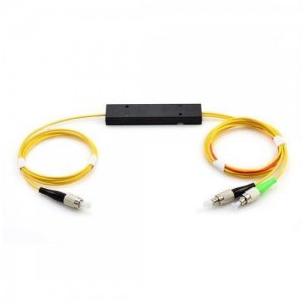
Feel free to connect with us at Fibermart to buy fiber optic connectors for sale, fiber optic adapters, fiber optic attenuators, and more for Wavelength Division Multiplexing processes. Our online store is the perfect place to buy a DWDM module for WDM solutions. Contact us to learn more today!





No comments have been posted yet.