
.webp)












































|
Recent Order
|
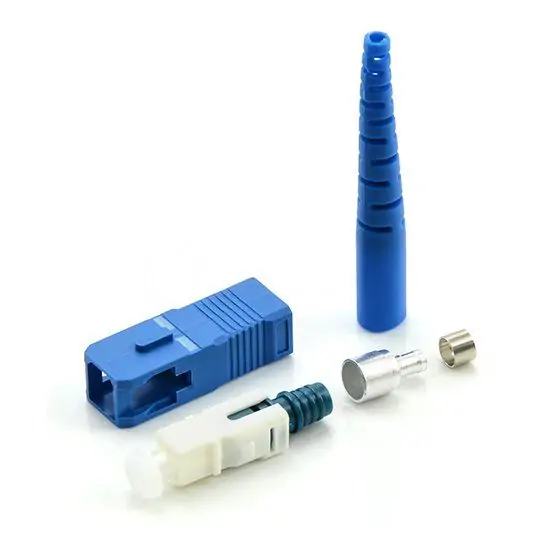
Fiber Optic PolishingFiber Optic Polishing is a critical step in manufacturing passive components like patch cords and connectors. This precision mechanical process shapes the fiber end-face into a specific geometry with an ultra-smooth surface, ensuring efficient and stable light signal transmission at connection points. It directly determines the insertion loss and return loss performance of a connector, forming the foundation for quality in entire optical communication networks.
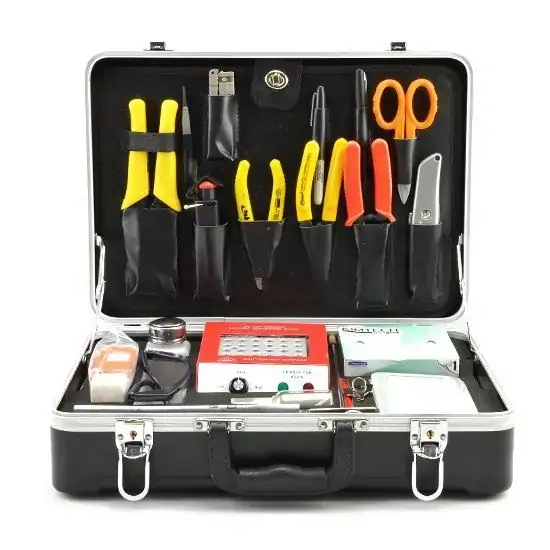
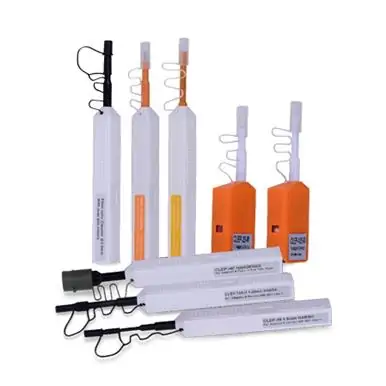
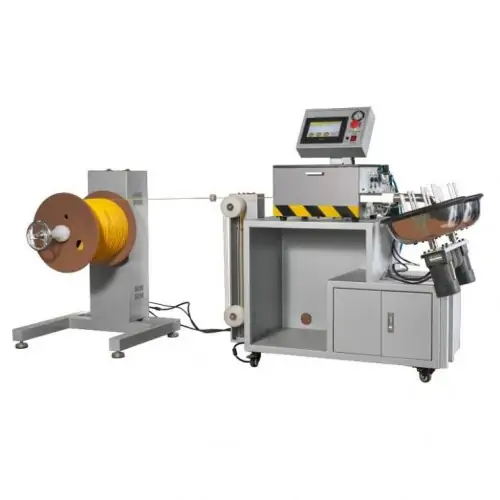
Fiber polishing is a common way of surface preparations for almost all glass-based fibers with cladding diameters larger than 200 microns to ensure the proper optical propagation. FiberMart can supply all kinds of polishing devices, such as fiber polishing machine, fiber polisher, fiber polishing fixture, fiber polishing holder, fiber polishing film, fiber polishing pad, fiber curing oven, fiber cable cutting machine, fiber stripping machine, fiber crimping machine, etc. You can send your special requirement to [email protected]. We will provide full detail reply for your needs.
Fiber Polishing Equipment & Consumables
Fiber Polishing Machines
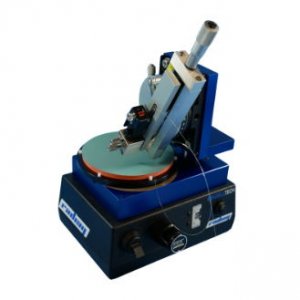
● High-Volume Workshop Production Fiber Polishers: Built for factory production lines, prioritizing throughput and stability. ● Lab/R&D Fiber Polishers: Focus on flexibility and ultra-high precision for prototyping. They handle PC, APC, UPC, and even specialized end-faces like conical shapes. ● Field/Portable Fiber Polishers: Battery-operated, compact units for on-site, high-quality end-face finishing in locations like data centers or for emergency repairs. ● Specialized Fiber Polishers: Designed for specific components, such as Fiber Arrays (FA), waveguide chips, or beam-expanded fibers, featuring custom fixtures and processes.
Fiber Polishing Consumables
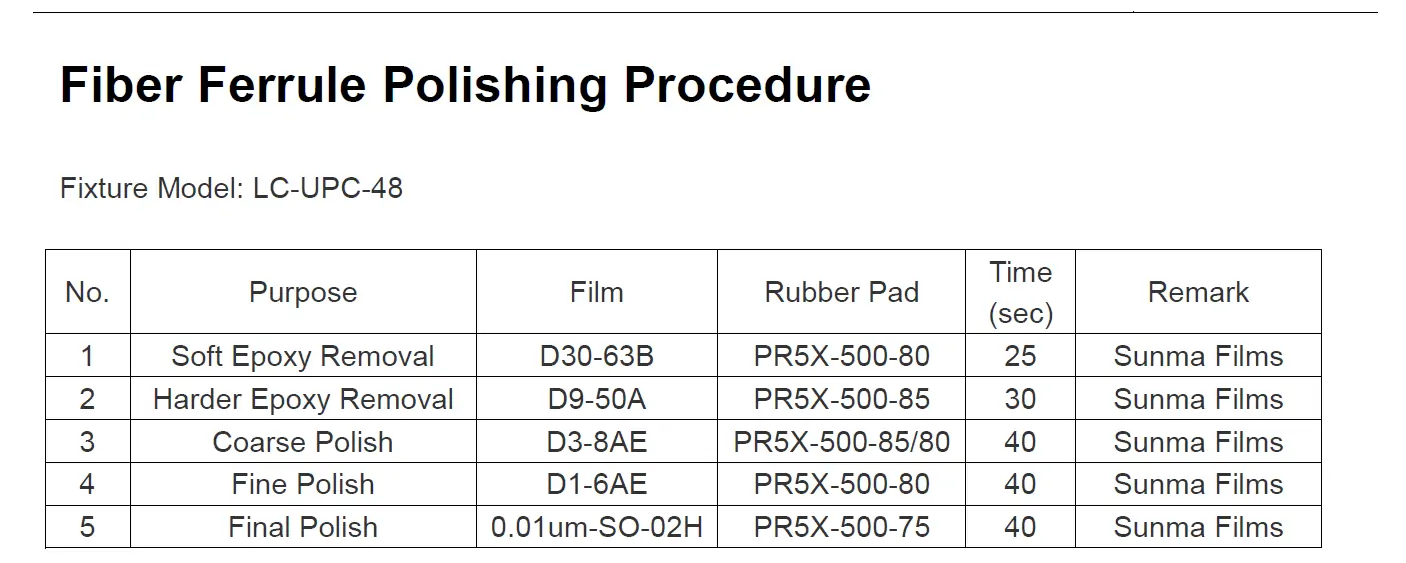
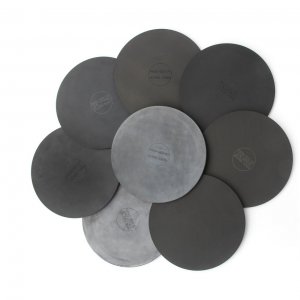
● Fiber Polishing Films/Paper: Used in graded steps by abrasive material (diamond, silica, cerium oxide) and grit size. Standard multi-stage process is: 30μm (de-coating) → 9μm (roughing) → 1μm (finishing) → ADS film (final polishing). ● Fiber Polishing Pads: Pad hardness (e.g., 70, 80 durometer) affects the end-face Radius of Curvature (PC). Softer pads help achieve a smaller radius. ● Fiber Polishing Fixtures/Holders: Precisely secure connectors (LC, SC, MPO) or specializeds, ensuring pressure distribution - key to controlling Apex Offset.
Fiber Polishing Working Process: From Rough-polishing to Final PolishThe process is a progressive physical refinement to optimize the end-face's 3D geometry.
1. Multi-Stage Fiber Polishing ProcessA standard four-step sequence using progressively finer abrasives: ● De-coating (30μm): Removes excess adhesive from the ferrule end. ● Roughing (9μm): Quickly establishes the basic end-face contour. ● Finishing (1μm): Removes deep scratches from the roughing stage. ● Final Polish (ADS film): Uses ultra-fine particles for a scratch-free, optical-grade finish—key for low insertion loss and high return loss.
2. Key Parameter Control of Fiber PolishingPressure, time, and pad hardness are controlled to shape critical specs: ● Radius of Curvature: The spherical dome radius, typically 10-25mm. Controlled by pressure and pad hardness. ● Apex Offset: Distance between the fiber core and the dome's peak (≤50μm aim). Reduced by even pressure. ● Fiber Height: Fiber recess or protrusion relative to the ferrule (ideal: -0.1nm to +0.1nm). Controlled in final polishing.
3. Fiber Connector Ferrule End-Face TypesThree primary geometries for different optical performance needs: ● PC (Physical Contact): Slightly curved, most common type. ● UPC (Ultra Physical Contact): Optimized curvature for better return loss (typically ≥ -55dB vs. PC's ≥ -40dB). ● APC (Angled Physical Contact): 8-degree angle face directs reflections into the cladding for superior return loss (typically ≥ -65dB). Green-colored, non-mating PC/UPC.
Application Fields
● Optical Communication Networks ● Specialty Fibers & Devices ● Advanced R&D & Manufacturing
|