


.webp)


In modern times of high technology, effective and rapid communication of information is not an indulgence but a requirement. The crown jewel of the communications network in the age is the fiber optic cable, a technology that has revolutionized the face of information transmission. Whether for backing up global internet backbone, data center interconnectivity, or driving next-generation enterprise networking, fiber optic technology offers greater speed, more bandwidth, and enhanced security than copper wire. Of the many types of connectors that exist, two of the most prevalent are the SC fiber optic cable and the LC fiber cable, which are determinative network performance enablers. It is necessary to be aware of the different types while developing efficient, vision-oriented communication systems.
What is an Optical Fiber Cable?
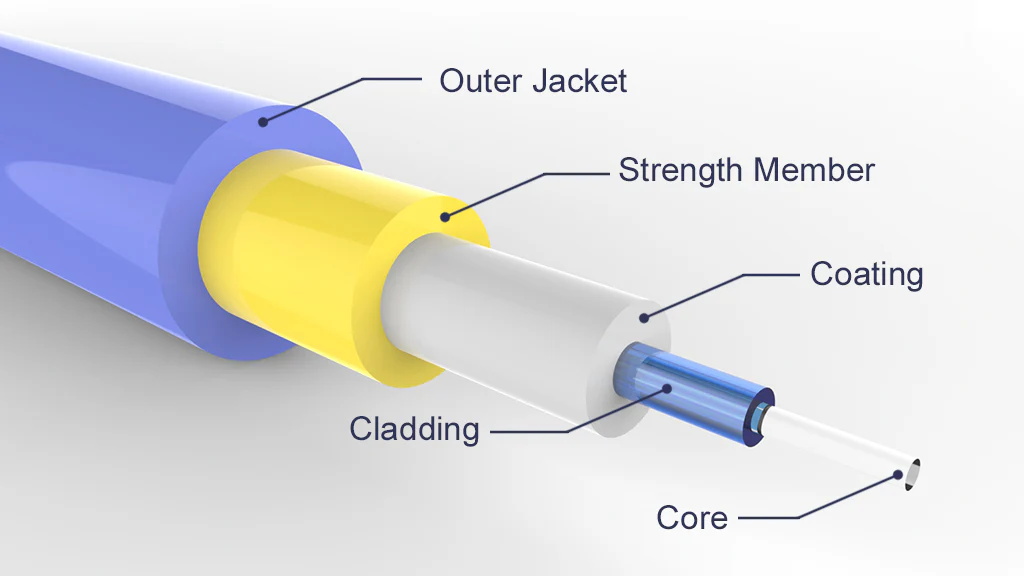
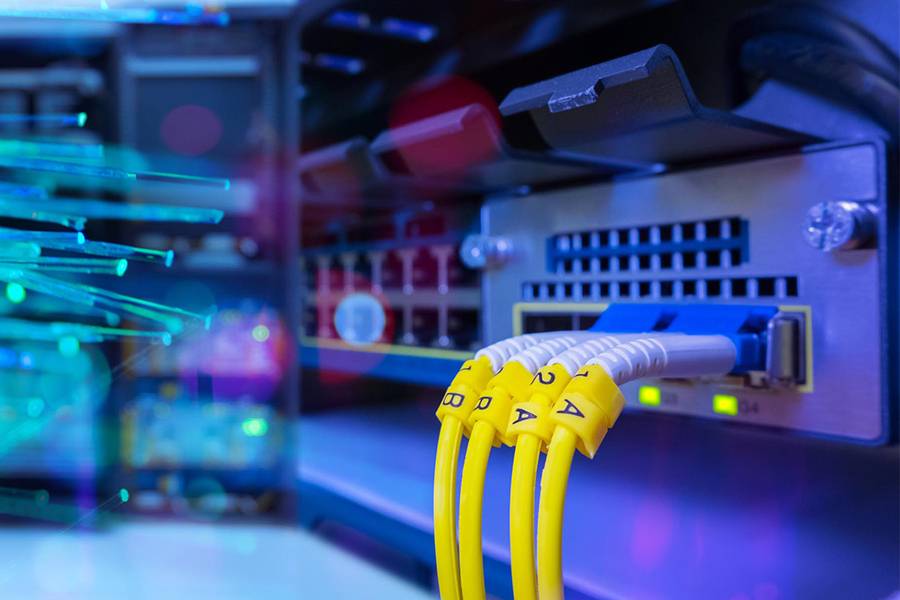
An optical fiber cable is built to transmit data in the form of light pulses rather than as electrical signals. It travels faster and it suffers much less signal loss on long distances. Light signals generated by lasers or LEDs are carried within the cable by ultra-slim glass or plastic fibers, so large amounts of data are able to be moved without electromagnetic noise getting in the way.
Due to these advantages, optical fiber cables find widespread use in internet backbones, telecommunications, medical imaging, military applications, and high-speed local area networks (LANs). However, the choice of using connectors such as SC or LC may have a direct impact on network efficiency and installation flexibility.
SC Fiber Optic Cable: Reliable and Popular
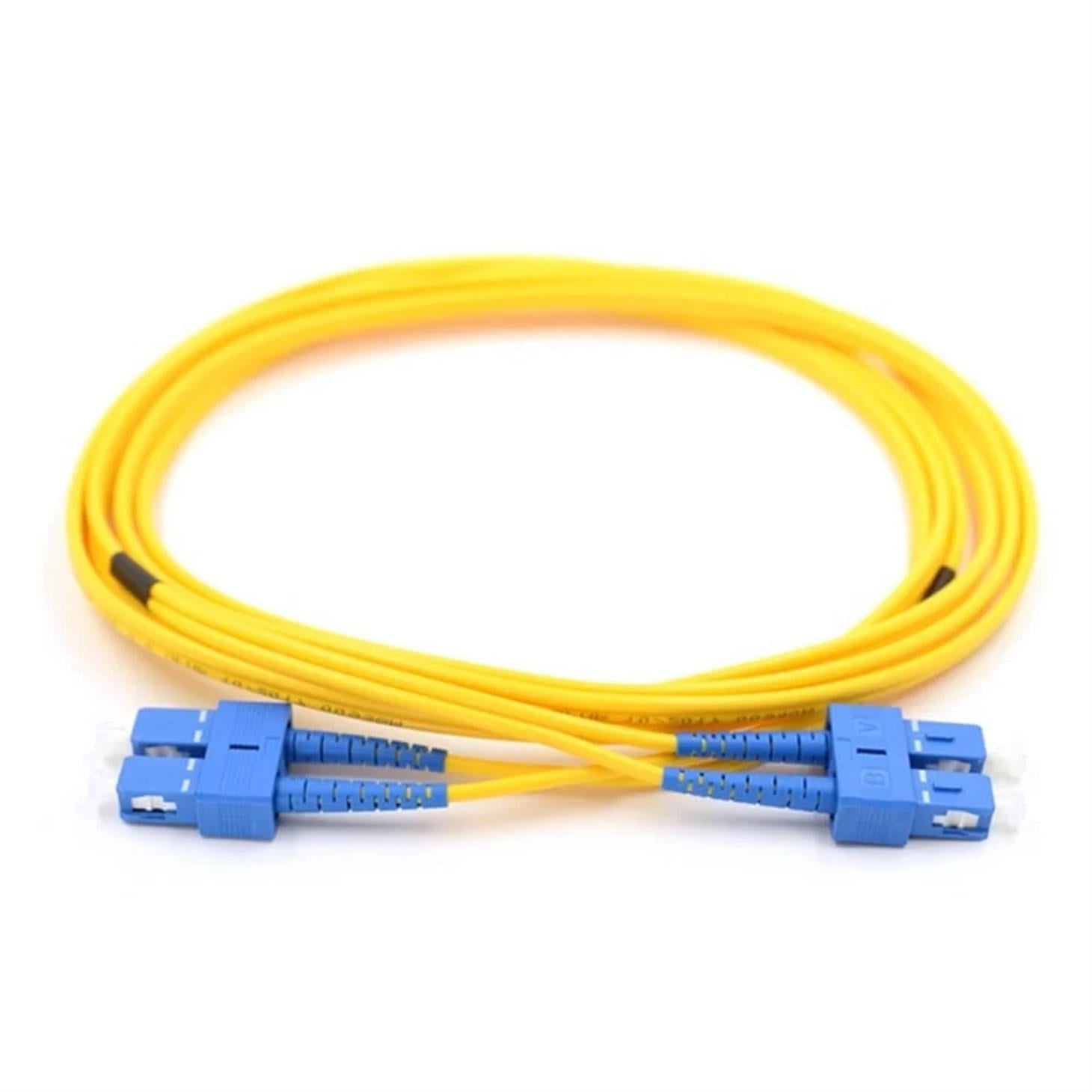
SC fiber optic cable is among the most common and widely used of the fiber connectors for network cabling. "SC" can be an abbreviation for Subscriber Connector or Standard Connector. SC relies on a push-pull locking system, which makes it simple to connect and disconnect with no risk of damaging the ends of the fiber.
Among the unique advantages of SC connectors is stability and durability. They are designed in such a manner as to maintain position, minimize signal loss, and offer stable operation for years. This makes SC fiber optic cable a preference for telecommunication, CATV, and data center applications where performance reliability is the highest consideration. The square connector also makes high-density installation possible without compromising accessibility.
SC connectors are best suited to single-mode applications, where they can be utilized to deliver long-haul transmission with no loss. They are also available in multi-mode form factors for short-distance, high-bandwidth applications.
LC Fiber Cable: Dense and Compact
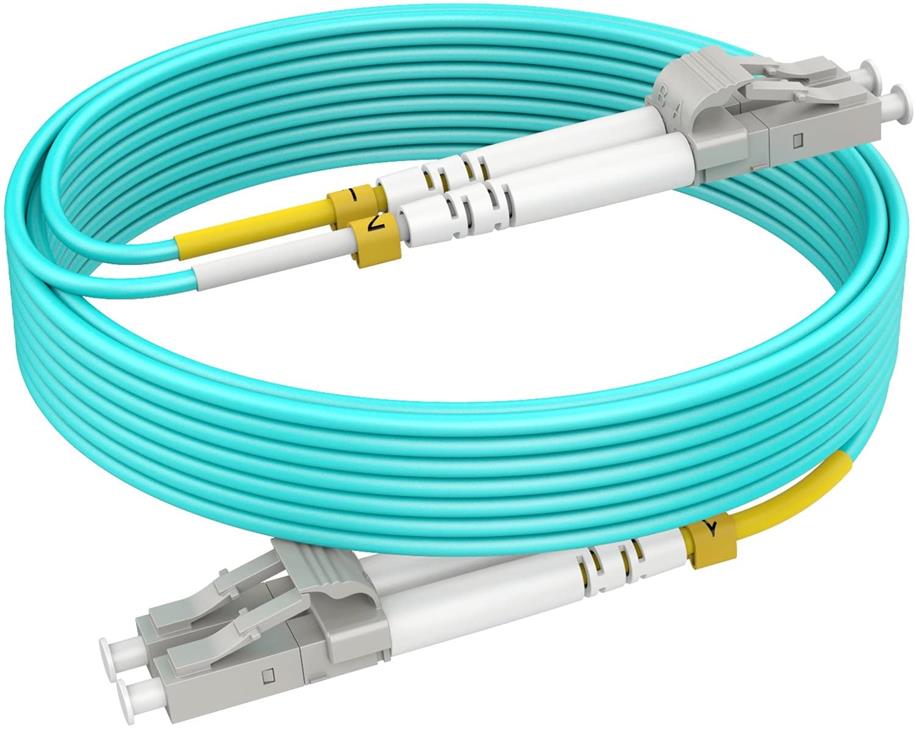
The LC fiber cable, so called after its inventor, Lucent Technologies, is an ultra-low form-factor connector to save space. LC connectors measure around half the size of SC connectors but allow for greater port density in network equipment such as switches, patch panels, and transceivers.
The LC connector has a latch lock design similar to an RJ45 Ethernet plug and has simple insertion and release with a secure fit. It is perfectly suitable for today's data centers, where the space used has to be most efficient.
Its second principal advantage of LC fiber cable is the fact that it is flexible. It can be used for single-mode or multi-mode fibers, thereby supporting both short and long haul. The reason why LC connectors are widely deployed in high-speed network environments such as 10G, 40G, and even 100G Ethernet networks is that they take up very little space.
Choosing SC and LC Fiber Cables
In deciding whether to use SC fiber optic cable or LC fiber cable, several factors come into consideration:
1. Space Availability
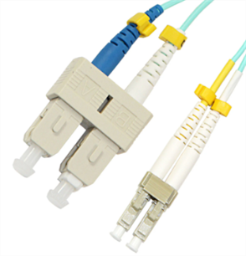
LC connectors are smaller and thus most appropriately used with applications where there is limited rack space. SC connectors, being larger, are ideal for durability where space is not a major consideration.
2. Network Density
In extremely dense patch panels, LC connectors support a greater density of connections in the same space. SC connectors are more common in legacy systems and easier to manage for field technicians.
3. Performance Requirements
SC and LC connectors both support superior optical performance. The choice is usually made based on equipment compatibility and the specific network design requirements.
4. Cost Factors
Both are low-cost, LC connectors are relatively more expensive in the way that they are smaller in size and have the advantages of higher density.
Applications in Modern Networking
Cable optical technology's versatility guarantees that it can accommodate diverse applications:
Data Centers – LC fiber cables are the choice due to their small size, allowing for high-density installations as well as high speeds.
Telecommunications – SC fiber optic cables remain common in backbone links due to their efficiency and ease of maintenance.
Enterprise Networks – SC and LC are used depending on network design and equipment compatibility.
Industrial and Hostile Environments – LC connectors are more mechanically stress-resistant, whereas SC connectors are best utilized in confined, controlled environments.
Future of Optical Fiber Technology
As worldwide data requirements increase, optical cable fiber technology will remain the pillar of modern communication. Development in bend-insensitive fiber, high-speed transceivers, and hybrid copper-fiber systems will keep enhancing SC and LC connector system performance. Greater adoption of cloud computing, 5G, and Internet of Things (IoT) will keep driving demand for higher capacity and more efficient cabling design.
Conclusion
If you choose SC fiber optic cable for seasoned reliability or LC fiber cable for space-saving flexibility, the foundation of an excellent network is high-quality optical fiber cables. Understanding the advantages of each connector type allows network engineers and businesses to make informed decisions that balance performance, space, and budget considerations. As technology advances, optical fiber cable's role in facilitating fast, secure, and dependable communication will become increasingly more important - making it a shrewd investment for any forward-looking network.





No comments have been posted yet.