


.webp)


In the fast-paced world of optical communication, choosing the right fiber optic connector is crucial for ensuring efficient, reliable, and cost-effective data transmission. Among the numerous connector types available, SC and LC connectors stand out as two of the most widely adopted solutions across various industries. This guide aims to provide a detailed SC vs LC comparison, covering their key characteristics, performance metrics, application scenarios, and more, to help you make an informed decision for your specific needs.
Overview of SC and LC Connectors
Before delving into the SC vs LC comparison, it is essential to understand the basic background and design features of each connector type.
SC Connector: The Industry-Standard Workhorse
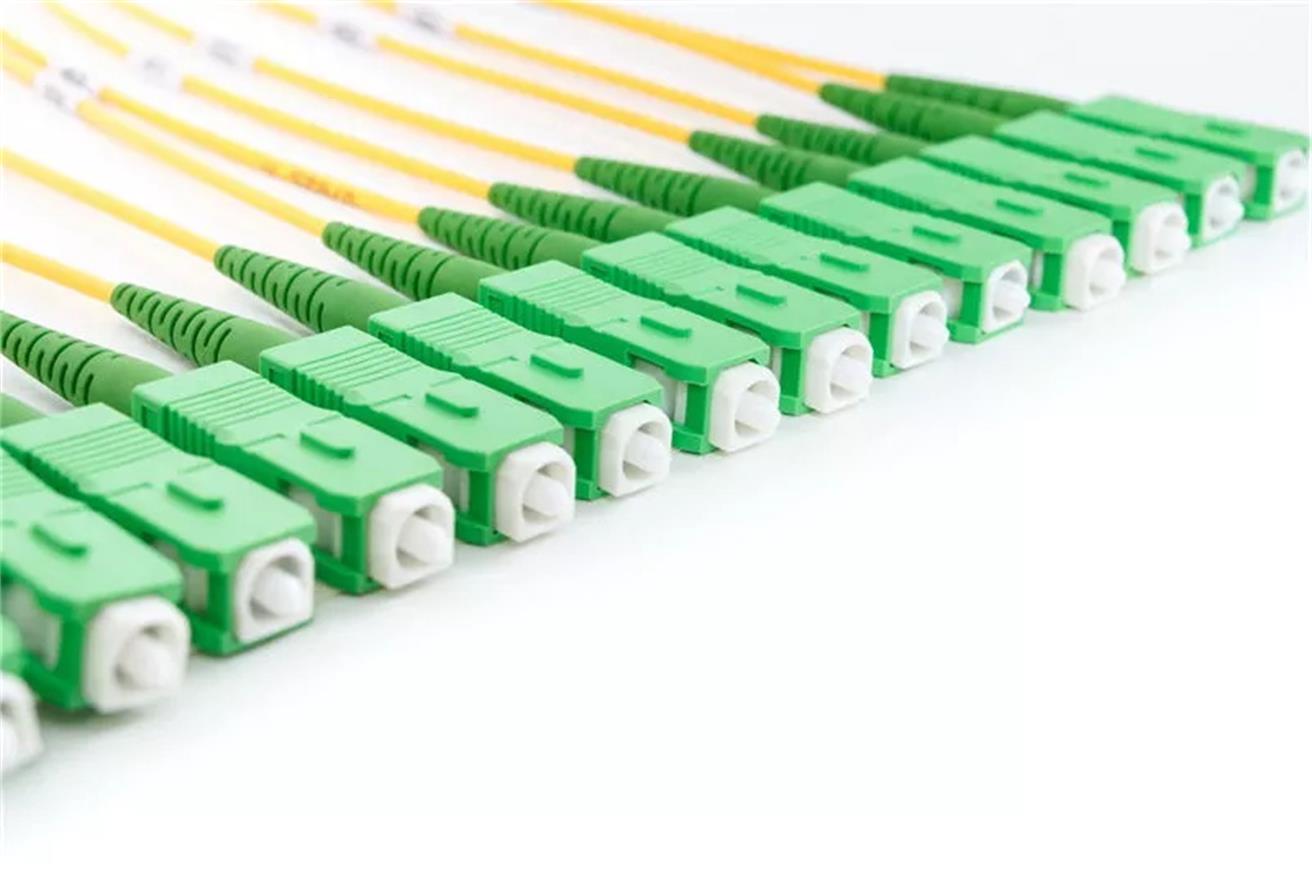
The SC (Subscriber Connector) connector, developed by NTT Japan, is a staple in optical communication systems. It features a square-shaped housing and a push-pull locking mechanism, which ensures secure connections and easy operation. Equipped with a ceramic ferrule, the SC connector delivers precise fiber alignment, contributing to low insertion loss and high return loss. It supports both single-mode and multimode fibers, making it versatile for different network setups. With a compact and durable design, the SC connector is well-suited for high-density applications such as data centers and telecommunication networks, where stability and reliability are paramount.
LC Connector: The Compact Performance Leader
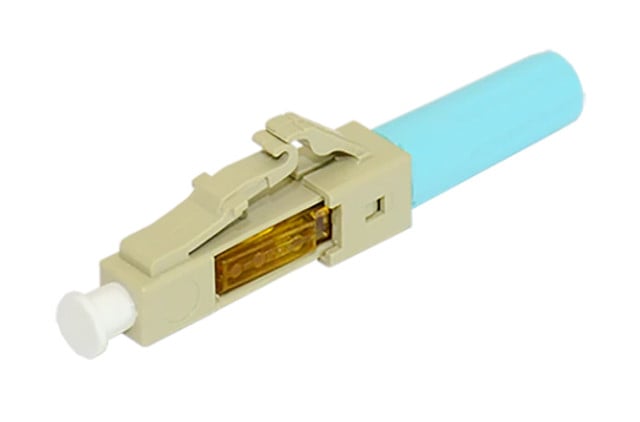
The LC (Lucent Connector) connector, introduced by Lucent Technologies, has gained immense popularity due to its small form factor. Utilizing a 1.25mm ferrule—half the size of the SC connector’s ferrule—the LC connector offers exceptional space-saving advantages. It employs a push-pull latching mechanism similar to the SC connector but with a more compact footprint, allowing for higher port density on network devices. The LC connector also uses a ceramic ferrule, ensuring excellent optical performance with low insertion loss and high return loss. It is compatible with both single-mode and multimode fibers, making it a flexible choice for various applications.
Key Performance Metrics: SC vs LC
When evaluating fiber optic connectors, performance metrics are critical indicators of their reliability and efficiency. Let’s explore the SC vs LC comparison in terms of core performance parameters.
Insertion Loss
Insertion loss refers to the amount of light lost when signal passes through the connector. The SC connector typically has a maximum insertion loss of 0.25dB and a typical value of 0.15dB, ensuring minimal signal degradation. The LC connector, with its precise ferrule design, achieves similar or even better performance, with a maximum insertion loss of around 0.2dB and a typical value of 0.1dB. In the SC vs LC comparison for insertion loss, both connectors meet industry standards, but the LC connector holds a slight edge in delivering lower typical loss.

Return Loss
Return loss measures the amount of light reflected back to the source, which can interfere with signal transmission. For SC connectors, the return loss exceeds 55dB for UPC polishing and 65dB for APC polishing. The LC connector offers comparable return loss values, with UPC versions exceeding 55dB and APC versions exceeding 65dB. This SC vs LC comparison shows that both connectors provide excellent return loss performance, ensuring minimal signal reflection and reliable data transmission.
Durability and Longevity
Durability is a key consideration for connectors used in demanding environments. The SC connector’s square housing and robust push-pull mechanism make it highly resistant to physical damage and wear. Its ceramic ferrule is scratch-resistant and maintains alignment accuracy over time. The LC connector, despite its smaller size, is equally durable, with a sturdy latching mechanism and high-quality ceramic ferrule. In the SC vs LC comparison for durability, both connectors are designed to withstand frequent mating and unmating cycles, making them suitable for long-term use in various applications.
Design and Form Factor: SC vs LC
The design and form factor of a connector play a significant role in its compatibility with network devices and installation flexibility.
Size and Port Density
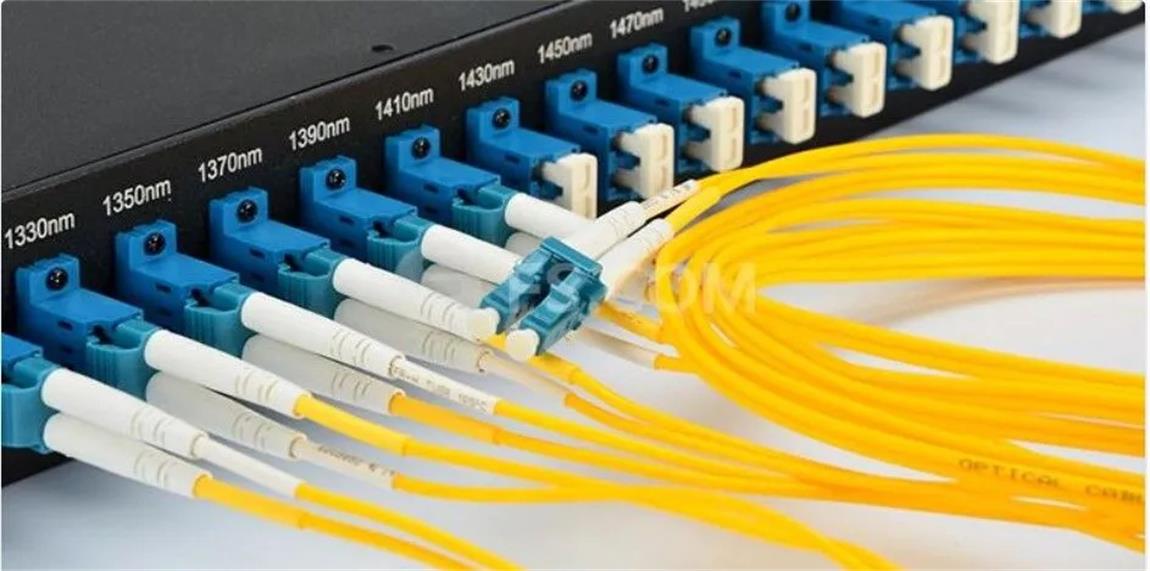
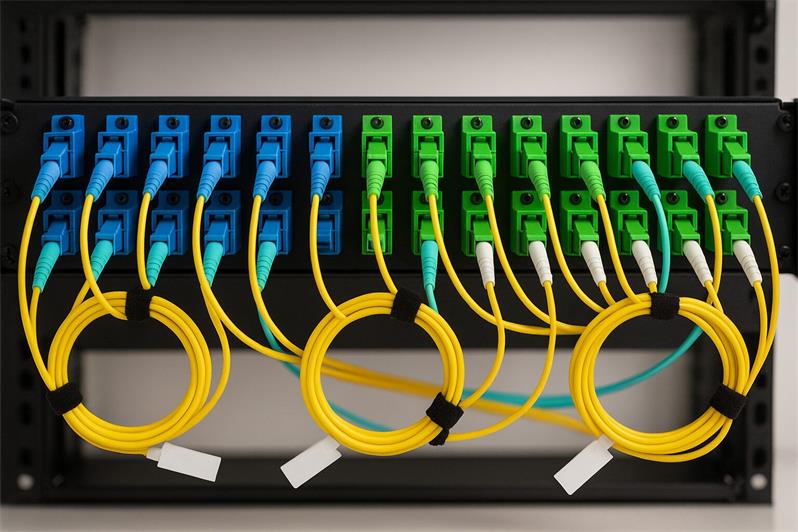
One of the most notable differences in the SC vs LC comparison is their size. The SC connector has a larger footprint, with a 2.5mm ferrule, while the LC connector uses a 1.25mm ferrule, making it significantly smaller. This size difference translates to higher port density for the LC connector. Network devices such as switches, routers, and patch panels can accommodate twice as many LC ports as SC ports in the same space. This makes the LC connector an ideal choice for data centers and other high-density environments where space is at a premium.
Locking Mechanism and Ease of Use
Both SC and LC connectors feature push-pull locking mechanisms, which simplify installation and disconnection. The SC connector’s square housing provides a firm grip, making it easy to insert and remove without the need for additional tools. The LC connector’s latching mechanism is equally user-friendly, with a smooth push-pull action that ensures secure connections. In the SC vs LC comparison for ease of use, both connectors are straightforward to operate, but the LC connector’s smaller size may be more convenient for tight spaces where maneuverability is limited.

Application Scenarios: SC vs LC
The choice between SC and LC connectors often depends on the specific application requirements. Let’s examine their suitability for different use cases.
Data Centers and Cloud Computing
Data centers require high port density, fast data transmission, and reliable performance. In this scenario, the LC connector’s compact size and high port density make it the preferred choice. It allows data center operators to maximize the number of connections per rack unit, reducing space requirements and lowering operational costs. However, the SC connector is still widely used in legacy data center systems and applications where stability and compatibility are prioritized. The SC vs LC comparison for data centers shows that while the LC connector is gaining traction, the SC connector remains a viable option for specific use cases.
Telecommunication Networks
Telecommunication networks, including fiber-to-the-home (FTTH) and long-haul transmission systems, demand high reliability and low signal loss. The SC connector’s robust design and excellent performance make it a popular choice for these applications. It is often used in central offices, distribution points, and customer premises equipment. The LC connector, with its small form factor, is also used in telecommunication networks, particularly in dense termination points and fiber optic patch cords. The SC vs LC comparison for telecommunication networks highlights that both connectors are suitable, with the choice depending on factors such as port density, installation space, and legacy compatibility.
Industrial and Enterprise Networks
Industrial and enterprise networks require connectors that can withstand harsh environments and frequent use. The SC connector’s durable design and resistance to physical damage make it well-suited for industrial applications, such as factory automation and process control systems. The LC connector, with its compact size and high performance, is ideal for enterprise networks, including office buildings, campuses, and small to medium-sized businesses. It provides a cost-effective solution for high-speed data transmission and can be easily integrated into existing network infrastructures.
Cost Considerations: SC vs LC
Cost is an important factor in any connector selection process. The SC connector is generally more affordable than the LC connector, especially for large-scale deployments. However, the LC connector’s higher port density can lead to cost savings in the long run, as it reduces the need for additional network devices and installation space. In the SC vs LC comparison for cost, the SC connector offers a lower upfront cost, while the LC connector provides better value for high-density applications. It is essential to consider both upfront and long-term costs when making a decision.
Conclusion
In summary, the SC vs LC comparison reveals that both connectors are high-performance, reliable solutions for optical communication. The SC connector excels in stability, durability, and compatibility, making it a preferred choice for legacy systems, telecommunication networks, and applications where space is not a constraint. The LC connector, on the other hand, offers superior port density, compact size, and slightly better insertion loss performance, making it ideal for data centers, high-density environments, and modern network deployments.

When choosing between SC and LC connectors, it is important to assess your specific needs, including application requirements, port density, installation space, cost, and legacy compatibility. By considering these factors and referencing this SC vs LC comparison guide, you can select the connector type that best aligns with your network goals and ensures efficient, reliable data transmission for years to come.





No comments have been posted yet.