


.webp)


In the realm of optical communication, the performance and durability of connectors are pivotal to maintaining seamless data transmission. Among the various types of fiber optic connectors, the SC connector stands out for its compact design, stable locking mechanism, and wide compatibility with single-mode and multimode fibers. A critical yet often overlooked factor that directly impacts its functionality is the SC connector temperature range rating. This specification defines the limits of environmental temperature within which the SC connector can operate optimally, making it a key consideration for engineers, network administrators, and industry professionals when designing or upgrading optical systems. Whether deployed in data centers, telecommunication networks, or outdoor communication links, adhering to the SC connector temperature range rating is essential to avoid signal degradation, connection failures, and costly downtime.
What Exactly Is SC Connector Temperature Range Rating?
To fully grasp the importance of this specification, it is first necessary to clarify what SC connector temperature range rating entails. Simply put, the SC connector temperature range rating refers to the specific span of temperatures from the lowest to the highest at which the connector can maintain its structural integrity, optical performance, and mechanical functionality. Unlike some general performance parameters, this rating is not a one-size-fits-all value but is determined through rigorous testing and validation by manufacturers to ensure it aligns with industry standards and real-world application scenarios.
The SC connector temperature range rating typically includes two core components: storage temperature range and operating temperature range. The storage temperature range specifies the conditions under which the SC connector can be safely stored without sustaining damage to its materials, such as the ceramic ferrule, square housing, or push-pull locking mechanism. On the other hand, the operating temperature range defines the temperature limits during actual use, when the connector is actively facilitating optical signal transmission. Both ranges are critical to the overall reliability of the SC connector, as exposure to temperatures beyond the specified SC connector temperature range rating can lead to irreversible damage or performance degradation.
For standard SC connectors, the industry-recognized SC connector temperature range rating is well-defined: the storage temperature ranges from -40°C (-40°F) to 85°C (185°F), while the operating temperature ranges from -20°C (-4°F) to 75°C (167°F). This range is not arbitrary; it is designed to accommodate the diverse environments in which SC connectors are commonly deployed, from frigid outdoor locations to high-temperature data center server rooms. Understanding this rating is the first step in ensuring that the SC connector performs as expected throughout its service life.
Core Components of SC Connector Temperature Range Rating
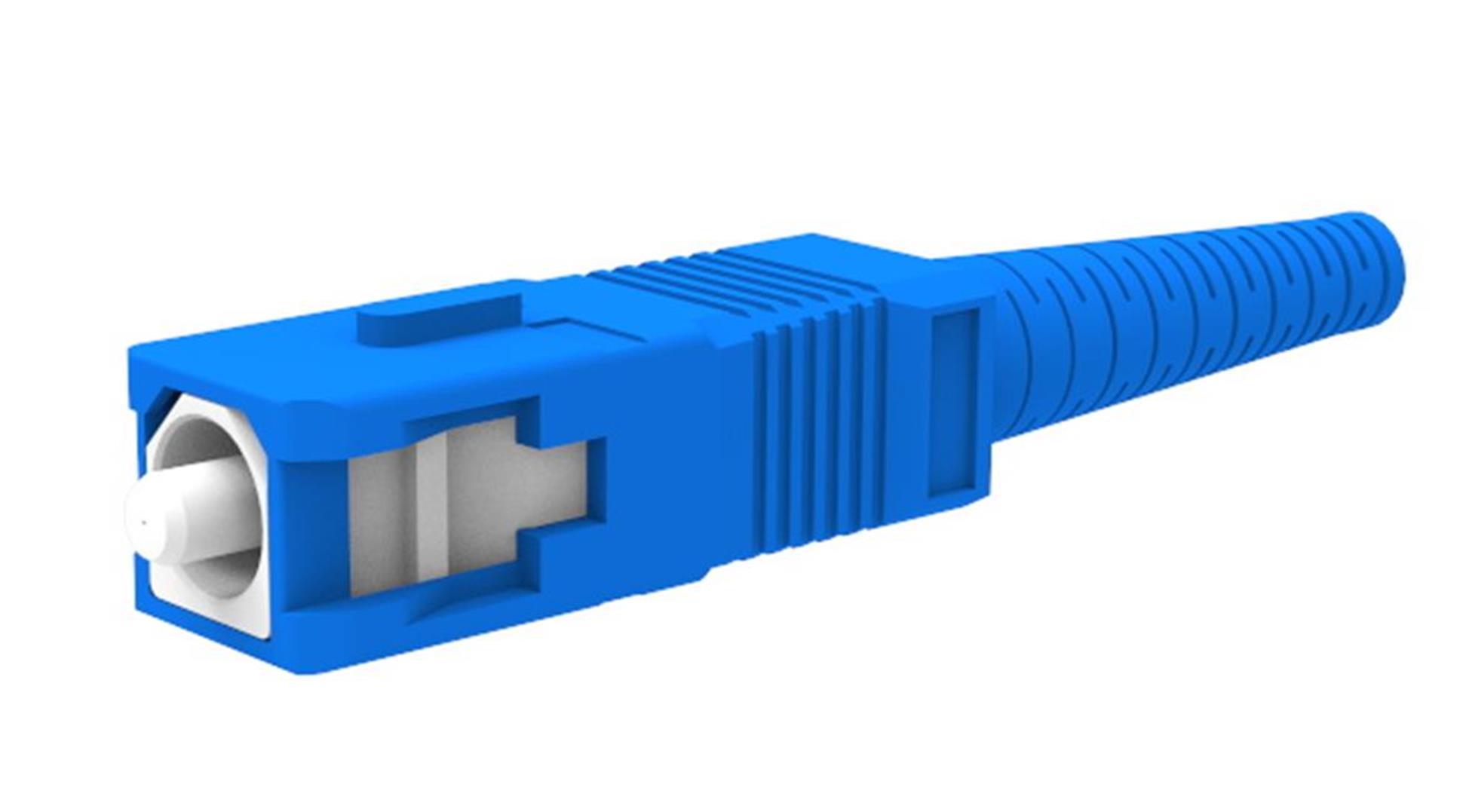
The SC connector temperature range rating is not just a set of numbers; it is a reflection of the connector’s design, materials, and engineering precision. To appreciate why this rating matters, it is essential to break down its core components and how they interact with environmental temperatures.
Storage Temperature Range: Protecting the Connector During Idleness
The storage temperature range, a key part of the SC connector temperature range rating, is crucial for preserving the connector’s performance when it is not in use. SC connectors are often transported across regions with extreme temperature variations or stored in warehouses with minimal climate control. Exposure to temperatures below -40°C can cause the plastic housing and boot materials to become brittle, increasing the risk of cracks or breakage when handled. Conversely, temperatures above 85°C can lead to material degradation, such as warping of the square housing or softening of the epoxy used in the connector assembly. These issues can compromise the connector’s structural integrity, making it unable to meet performance standards once deployed. By adhering to the storage temperature limits outlined in the SC connector temperature range rating, users can ensure that the connector remains in optimal condition until it is ready for installation.
Operating Temperature Range: Sustaining Performance During Active Use
The operating temperature range is the most critical component of the SC connector temperature range rating, as it directly impacts the connector’s ability to transmit optical signals reliably. During operation, the SC connector relies on precise alignment of the ceramic ferrule to minimize insertion loss (typically 0.15dB typ. and 0.25dB max.) and maximize return loss (>55dB for UPC, >65dB for APC). Extreme temperatures can disrupt this alignment in multiple ways. For example, in low temperatures (-20°C or below), the ceramic ferrule may contract slightly, while the surrounding plastic components shrink at a different rate, leading to misalignment and increased insertion loss. In high temperatures (above 75°C), the epoxy used to secure the fiber can soften, causing the fiber to shift within the ferrule, resulting in signal attenuation or intermittent connection.
Additionally, the push-pull locking mechanism of the SC connector, which ensures a stable connection, can be affected by temperature extremes. Cold temperatures can make the locking mechanism stiff, making it difficult to insert or disconnect the connector. High temperatures, on the other hand, can cause the mechanism to lose tension, leading to accidental disconnections. By operating within the specified operating temperature range of the SC connector temperature range rating, users can maintain the connector’s low insertion loss, high return loss, and reliable locking function, ensuring consistent data transmission.
Why SC Connector Temperature Range Rating Matters in Real-World Applications
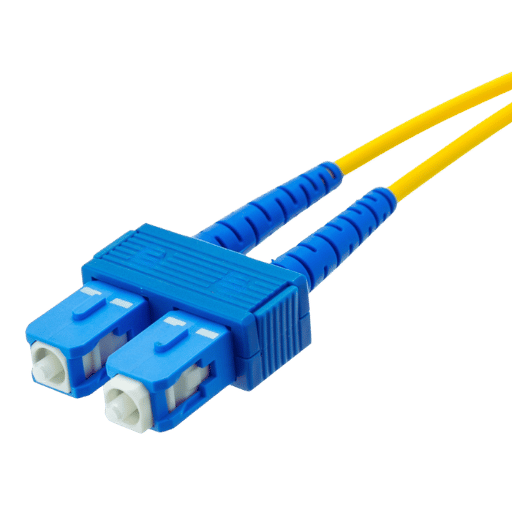
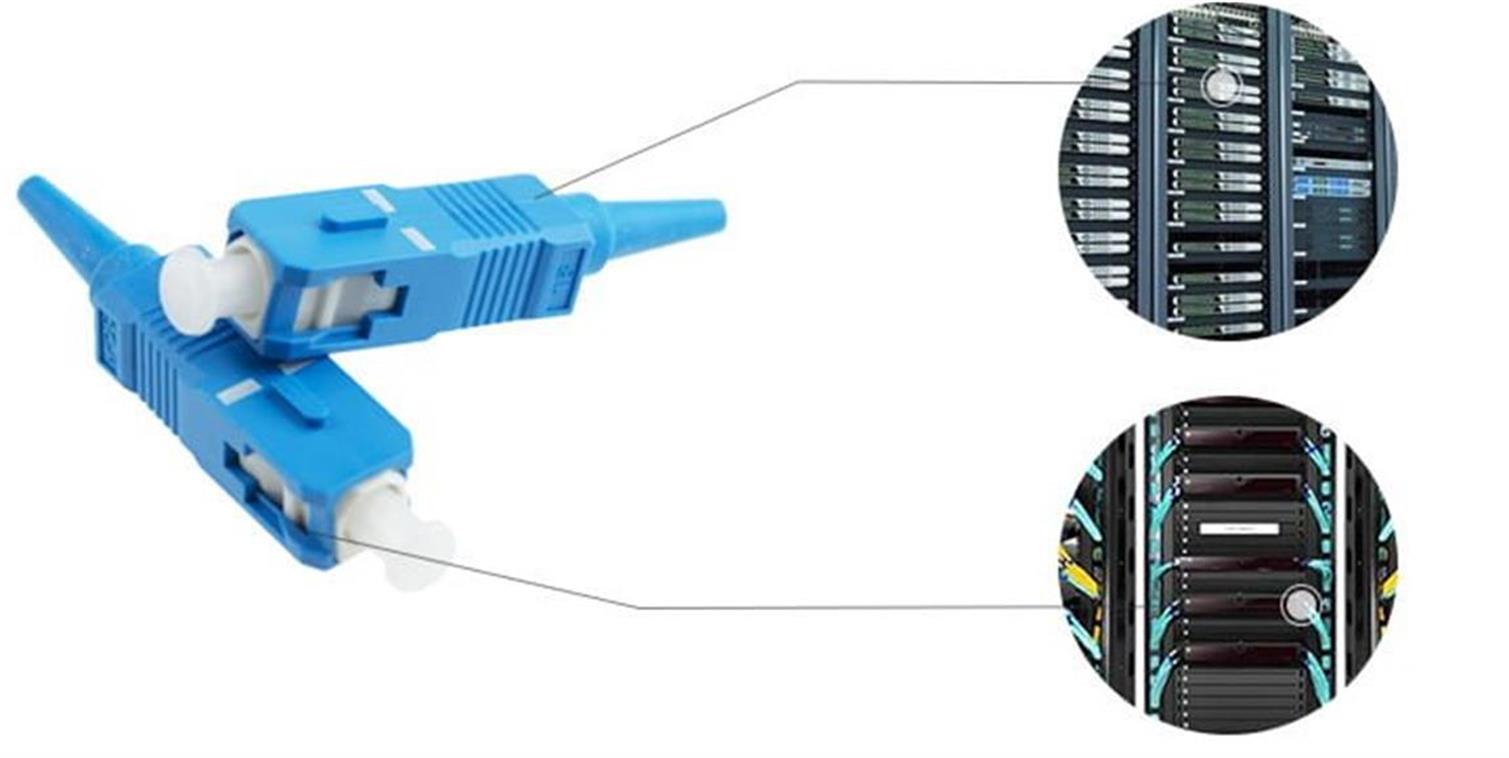
The significance of the SC connector temperature range rating becomes most apparent when considering its diverse applications across different industries and environments. SC connectors are widely used in data centers, where server rooms can reach high temperatures due to dense equipment loads; in telecommunication networks, where outdoor cabinets may be exposed to extreme cold or heat; and in industrial settings, where temperature fluctuations are common. In each of these scenarios, ignoring the SC connector temperature range rating can lead to serious consequences.
In data centers, for instance, a single SC connector operating beyond its temperature range can cause signal degradation, leading to slower data transfer speeds or even network outages. With data centers handling massive volumes of critical data, such downtime can result in significant financial losses and damage to business reputation. In outdoor telecommunication links, SC connectors installed on utility poles or in remote locations are exposed to harsh weather conditions, from freezing winters to scorching summers. Adhering to the SC connector temperature range rating ensures that these connectors can withstand such extremes, maintaining reliable communication between network nodes.
Even in less extreme environments, such as office buildings or residential complexes, the SC connector temperature range rating remains relevant. HVAC systems may fail temporarily, leading to unexpected temperature spikes or drops. A connector that complies with the specified temperature range will be better equipped to handle these fluctuations, ensuring uninterrupted service. For industry professionals, considering the SC connector temperature range rating during the design phase is not just a matter of compliance but a proactive measure to ensure the long-term reliability and performance of optical communication systems.
Best Practices for Adhering to SC Connector Temperature Range Rating
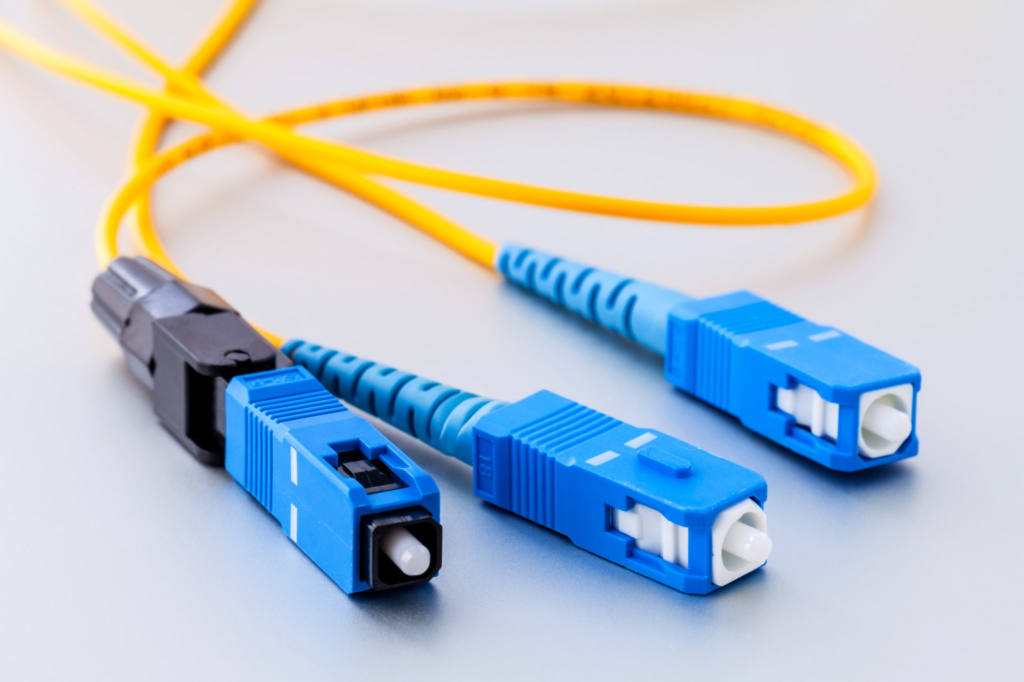
To maximize the performance and lifespan of SC connectors, it is essential to follow best practices that align with the SC connector temperature range rating. These practices span from selection and installation to maintenance and monitoring.
First, when selecting SC connectors for a project, always verify the manufacturer’s specifications to confirm that the SC connector temperature range rating meets the requirements of the intended environment. Different applications may demand different temperature tolerances, and choosing a connector that exceeds the minimum requirements can provide an extra layer of protection against unexpected temperature changes.
Second, during installation, avoid exposing SC connectors to temperature extremes unnecessarily. For example, when installing outdoor connectors, choose shaded or insulated locations whenever possible to minimize direct exposure to sunlight or cold winds. In data centers, ensure proper ventilation and cooling systems are in place to maintain temperatures within the operating range specified in the SC connector temperature range rating.
Third, implement regular maintenance and monitoring protocols. Periodically inspect SC connectors for signs of temperature-related damage, such as cracks in the housing, discoloration of the boot, or increased insertion loss. Use temperature monitoring tools to track the environmental conditions around critical connectors, and take corrective action if temperatures approach or exceed the specified range.
Finally, train personnel on the importance of the SC connector temperature range rating and proper handling procedures. Ensure that those responsible for installing, maintaining, or replacing SC connectors understand the risks of operating outside the temperature range and follow best practices to avoid such scenarios.
Summary
The SC connector temperature range rating is a fundamental specification that directly impacts the reliability, performance, and durability of SC connectors in optical communication systems. By understanding what this rating entails, its core components, and its significance in real-world applications, industry professionals can make informed decisions when selecting, installing, and maintaining SC connectors. Adhering to the SC connector temperature range rating not only ensures compliance with industry standards but also minimizes the risk of signal degradation, connection failures, and costly downtime. As optical communication continues to evolve and expand into more diverse environments, the importance of the SC connector temperature range rating will only grow, solidifying its position as a key factor in the success of modern communication networks.





No comments have been posted yet.