


.webp)


In the era of hyper-connected digital infrastructure, the demand for high-performance, easy-to-deploy data transmission solutions has never been greater. Among the array of fiber optic cables, the 12 core fiber optic cable stands out as a versatile workhorse, capable of meeting the bandwidth needs of modern networks—from data centers to metropolitan backbones. When integrated with a pulling eye, this cable becomes an installation game-changer, streamlining deployment processes while safeguarding signal integrity. This article delves into the technical nuances, installation advantages, and practical applications of the 12 core fiber optic cable with pulling eye, highlighting why it has become the preferred choice for engineering teams worldwide.

The Core of Modern Connectivity: Design and Technical Foundations
Precision Engineering for Optimal Performance
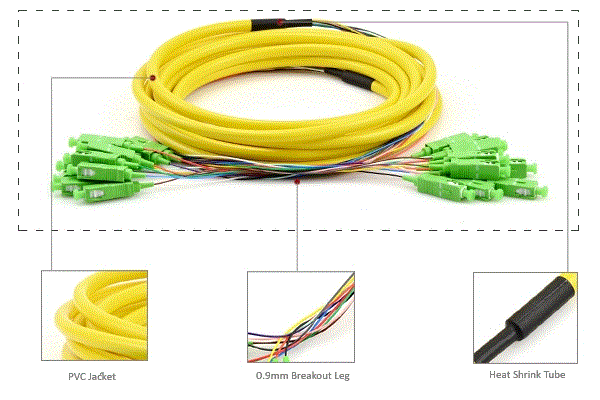
At its core, this specialized cable is a precision-engineered assembly of 12 individual optical fibers, each crafted to transmit data via light signals with minimal loss. Typically built on single-mode (SMF) technology—such as the industry-standard 9/125um fiber—it operates in the infrared spectrum (1310nm and 1550nm wavelengths), enabling ultra-long-distance transmission and exceptional bandwidth capacity. Each fiber core, protected by a robust cladding and jacket, adheres to stringent standards like G.657.A1, ensuring compatibility with global network infrastructure and resistance to environmental stressors.
What sets this cable apart is its balance of density and flexibility. By bundling 12 fibers into a single jacket, it eliminates the need for multiple individual cables, reducing cable management complexity and saving valuable space in distribution panels and conduit systems. Whether deployed in indoor data centers or outdoor telecommunications networks, it delivers consistent performance, with insertion loss as low as ≤0.3dB and return loss exceeding 50dB (UPC polish) or 60dB (APC polish), ensuring clear, uninterrupted data flow. For projects requiring a reliable multi-fiber solution, the 12 core fiber optic cable emerges as a standout option due to its proven technical capabilities.
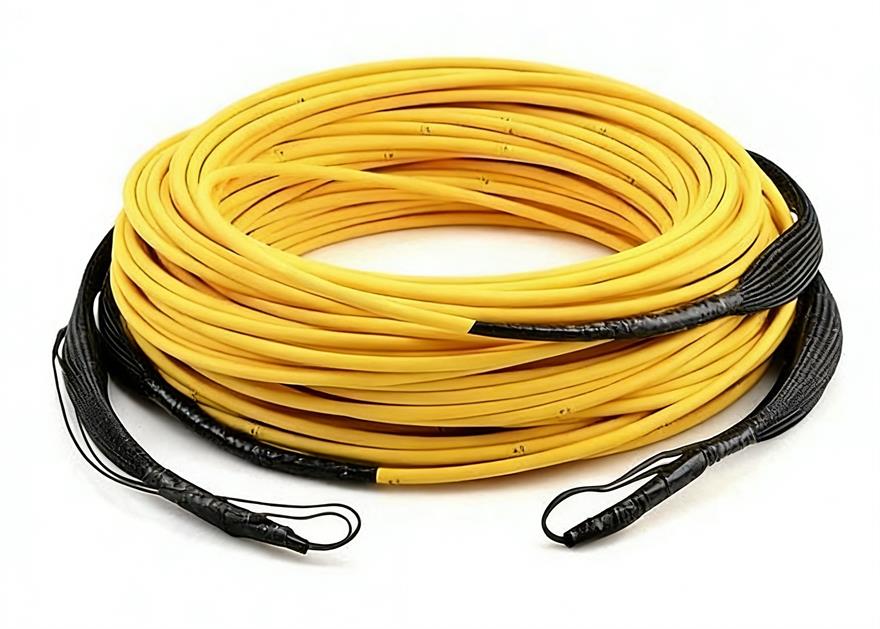
The Pulling Eye: A Critical Installation Enhancement
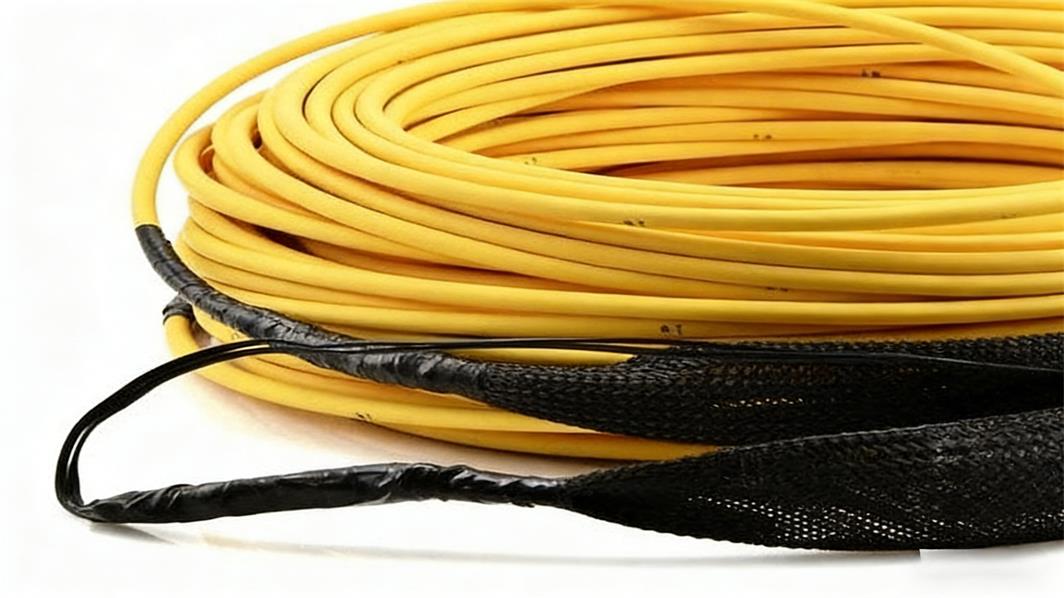
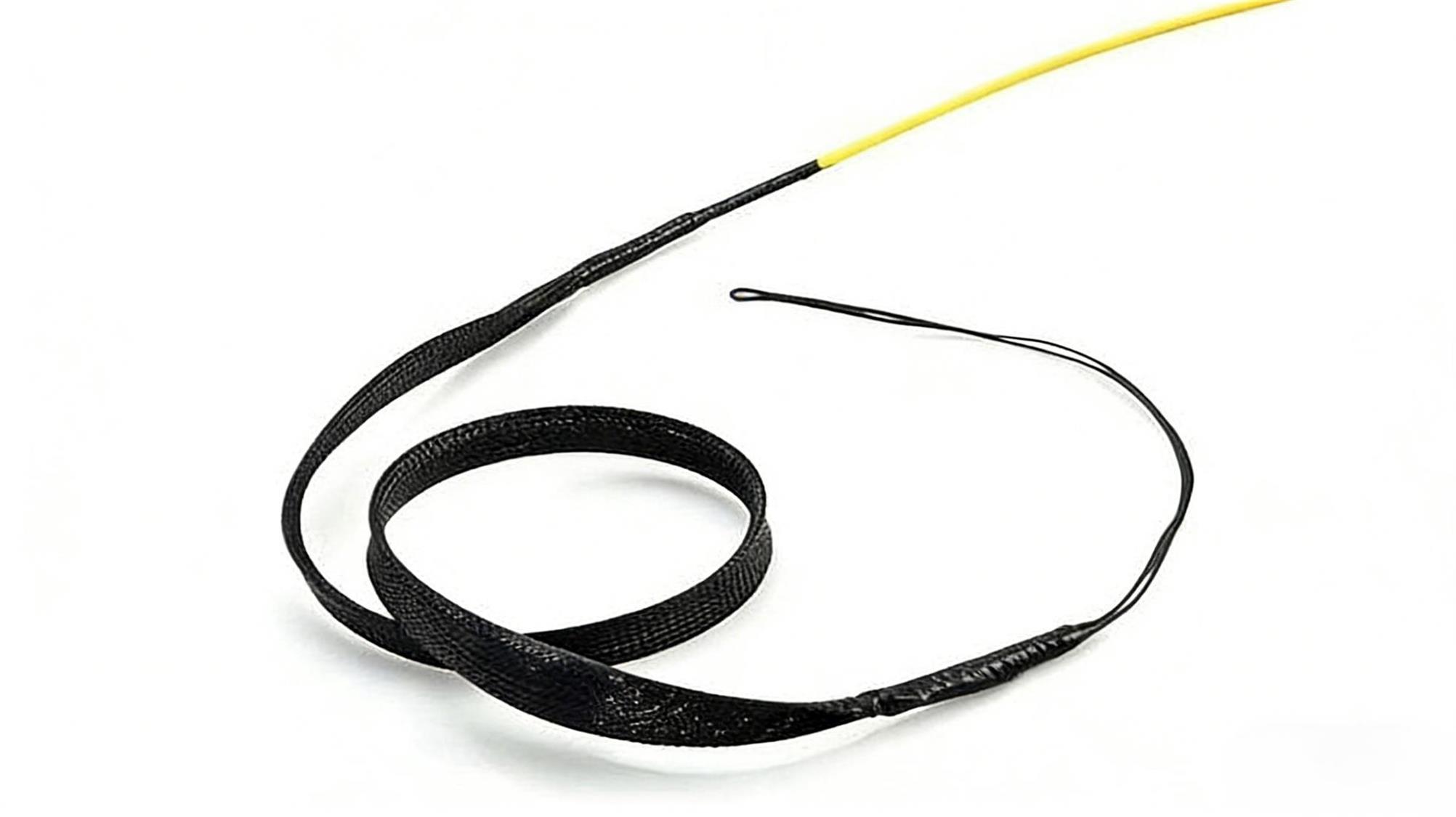
A key innovation that elevates this cable’s practicality is the integration of a pulling eye—a specialized component attached to the cable’s end to facilitate safe and efficient installation. Designed to distribute tension evenly across the cable jacket during pulling, the pulling eye prevents damage to the delicate fiber cores, which are susceptible to micro-fractures from sharp bends or uneven force. Unlike traditional installation methods that risk fiber degradation, the pulling eye acts as a protective anchor, allowing the cable to be routed through conduits, ducts, or cable trays with precision and minimal friction.
Constructed from durable, high-strength materials (often reinforced plastic or metal), the pulling eye is engineered to withstand the rigors of installation, including tension forces, abrasion, and exposure to harsh environmental conditions. Its ergonomic design ensures easy attachment to pulling tools, reducing installation time and labor costs. For network engineers, this means faster deployment without compromising performance—a critical advantage in time-sensitive projects where the 12 core fiber optic cable’s reliability is paired with installation efficiency.
Unmatched Installation Advantages
Streamlined Deployment and Reduced Downtime
Installing fiber optic cables can be a complex, labor-intensive process, especially in dense or hard-to-reach environments. This enhanced cable simplifies the task by enabling one-time pulling of 12 fibers, eliminating the need to route multiple cables separately. This not only cuts down on installation time but also minimizes disruptions to existing network infrastructure. In data centers, where space is at a premium, the compact design (trunk OD as small as 4.8±0.3mm) fits easily in tight spaces, while the pulling eye’s efficient routing allows for neat, organized cable management, reducing the risk of tangles and simplifying future maintenance. For large-scale projects, this efficiency translates to significant time and resource savings.
Enhanced Cable Protection and Longevity
Fiber optic cables are sensitive to physical damage, and even minor harm to the core can result in signal loss or complete failure. The pulling eye’s primary function is to protect the cable during installation by absorbing tension and preventing stress on the fiber strands. By distributing force evenly across the jacket, it avoids sharp bends (which can exceed the cable’s minimum bend radius of 10D static/20D dynamic) and micro-cracks, ensuring the cable retains its performance specifications for decades. This protection is particularly valuable in outdoor installations, where the cable may be exposed to extreme temperatures (-40°C to 70°C for LSZH jackets) or rough terrain. When paired with the 12 core fiber optic cable’s inherent durability, this protection creates a solution built for long-term reliability.
Cost-Efficiency and Scalability
For network operators, this cable solution offers significant cost savings over traditional alternatives. By consolidating 12 fibers into a single cable, it reduces material costs, shipping expenses, and installation labor. The pulling eye further lowers costs by minimizing the risk of cable damage during deployment, which would otherwise require expensive repairs or replacements. Additionally, the cable’s scalability makes it ideal for future network expansion. As bandwidth demands grow, organizations can activate additional fibers within the cable without installing new infrastructure, providing a cost-effective path to upgrade. This scalability is a key reason why the 12 core fiber optic cable remains a forward-thinking investment for growing networks.
Versatile Applications Across Critical Sectors
Data Centers and Colocation Facilities
Data centers are the backbone of the digital economy, requiring high-density, reliable connectivity to support cloud computing, big data analytics, and artificial intelligence. This enhanced cable is perfectly suited for this environment, as it enables efficient patching between server racks, distribution panels, and backbone connections. Its low attenuation (0.22dB/km at 1550nm) ensures fast, reliable data transmission between critical infrastructure components, while the pulling eye simplifies installation in raised floors or overhead cable trays. Data center operators rely on its consistent performance to maintain uptime for mission-critical applications.
Metropolitan Area Networks (MANs) and Long-Haul Telecommunications
Metropolitan Area Networks (MANs) and long-haul telecommunications networks require cables that can transmit data over vast distances with minimal signal loss. This cable, with its single-mode technology and pulling eye, is an ideal solution for these applications. It can be routed through underground conduits or aerial cables, with the pulling eye protecting it from damage during installation. Whether connecting cities or linking remote facilities, it delivers the bandwidth and reliability needed to support voice, video, and data services for millions of users. The 12 core fiber optic cable’s ability to balance distance and performance makes it a cornerstone of large-scale network infrastructure.
Enterprise and Industrial Networks
Enterprise networks—including office buildings, campuses, and industrial facilities—demand flexible, durable connectivity solutions. This cable is well-suited for these environments, as it can be deployed in both indoor and outdoor settings (with riser OFNR or LSZH jackets for fire safety). In industrial facilities, where cables may be exposed to dust, moisture, or mechanical stress, the pulling eye’s protective design ensures the cable remains intact, providing consistent connectivity for critical operations like process control and monitoring. Its versatility across indoor and outdoor settings makes it a go-to choice for diverse enterprise needs.
Selecting the Ideal Solution for Your Network
When selecting a cable with a pulling eye, several factors should be considered to ensure optimal performance and compatibility. First, verify the fiber mode (OS2 single-mode for long distances or OM3/OM4/OM5 multimode for short-range applications) based on your network’s needs. Second, choose the appropriate jacket type: LSZH (Low Smoke Zero Halogen) for environments where fire safety is a priority, or OFNR (Riser) for vertical installations in buildings.
Additionally, consider the connector type (LC, SC, ST, FC, or E2000) and polish type (UPC for general use or APC for low back-reflection applications like PON). The pulling eye itself should be compatible with your installation tools and designed to match the cable’s diameter and tension requirements. Finally, select a reputable manufacturer that adheres to industry standards, ensuring the cable meets specifications for insertion loss, return loss, and environmental resistance. For those prioritizing a balance of density and reliability, the 12 core fiber optic cable with a quality pulling eye remains the gold standard.
The 12 core fiber optic cable with pulling eye represents a significant advancement in fiber optic technology, combining high-performance data transmission with ease of installation. Its multi-fiber design delivers the bandwidth and density needed for modern networks, while the pulling eye ensures safe, efficient deployment—reducing costs, minimizing downtime, and protecting the cable’s integrity. From data centers to long-haul telecommunications, this innovative solution is proving to be an indispensable asset for organizations seeking reliable, scalable connectivity.
As the digital landscape continues to evolve, this cable will remain at the forefront of network infrastructure, enabling the seamless flow of data that powers our connected world. Whether you’re upgrading an existing network or building a new one, the 12 core fiber optic cable with pulling eye is a choice that delivers long-term value, performance, and peace of mind—proving that sometimes, the most effective solutions are those that blend technical excellence with practical innovation.





No comments have been posted yet.