


.webp)


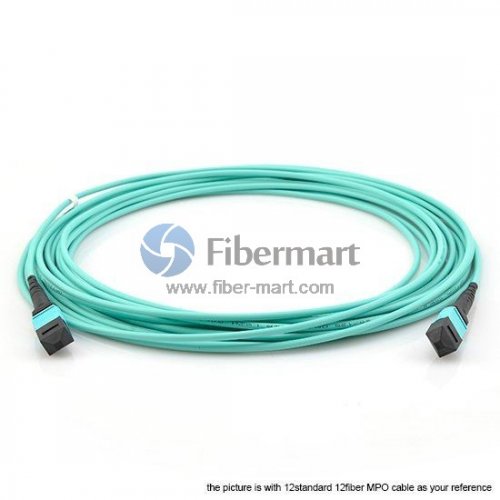
MPO to MPO connectivity has become an important element in modern communication systems. It refers to the use of MPO (multi-fiber push-on) connectors on both ends of a cable assembly, allowing high-density fiber connections. As the demand for faster data transmission and efficient cabling solutions continues to rise, MPO to MPO systems play a vital role in supporting advanced network infrastructures.
Evolution of Fiber Connectivity
The journey of fiber connectivity has seen significant transformations over the years. Early systems relied heavily on single-fiber connectors, which required more space and labor-intensive installation. With the growth of data centers and telecommunication networks, the need for compact and efficient solutions became clear. MPO connectors were developed to address these requirements, providing multi-fiber terminations within a single interface. The MPO to MPO assembly is a result of this evolution, meeting the modern demand for scalability and efficiency.
Functional Overview
An MPO to MPO cable is designed to provide seamless interconnections between fiber optic equipment. The connectors on each end hold multiple fibers in precise alignment, ensuring stable transmission. This design allows for rapid installation, reduces cabling bulk, and supports high-bandwidth applications. The uniformity of the connection ensures reliability across different setups, from enterprise networks to hyperscale data centers.
Role in Modern Infrastructure
As data consumption increases globally, the demand for robust infrastructure continues to grow. MPO to MPO solutions provide the backbone for many systems, enabling faster communication and better space utilization. They are widely implemented in data centers, cloud environments, and large-scale telecommunication networks. The ability to connect multiple fibers at once makes them a highly efficient choice for organizations aiming to optimize their operations.
Technological Relevance
The advancement of technologies such as cloud computing, 5G, and IoT has amplified the importance of MPO to MPO connectivity. These connectors allow networks to handle higher speeds and larger volumes of data without compromising quality. The integration of MPO solutions with next-generation transmission systems ensures that communication infrastructure can meet current and future requirements.
Global Adoption
MPO to MPO connectivity has gained acceptance worldwide due to its adaptability and efficiency. Whether in North America, Europe, or Asia, industries depend on these solutions to build stronger and more scalable networks. Their global usage highlights their versatility across various industries, from finance to healthcare and beyond, showing the universal need for reliable data transmission.
Future Outlook
Looking ahead, MPO to MPO solutions are set to become even more critical. With continuous innovation in data transmission technologies, these connectors are likely to evolve further, offering greater capacity, precision, and reliability. As digital ecosystems expand, MPO to MPO cabling will remain a central element in ensuring smooth connectivity for both organizations and individuals.
Conclusion
MPO to MPO represents the progression of fiber optic connectivity, combining efficiency, scalability, and performance. Its widespread role in networks underscores its importance in the digital era. With rapid technological developments and the ever-growing demand for data, MPO to MPO systems will continue to shape the future of communication infrastructure worldwide.





No comments have been posted yet.