


.webp)


Explore the future of optical switch technology beyond data transfer, with innovations like AI, quantum communication, and energy efficiency leading the way.
The Future Of Optical Switch Technology: Beyond Basic Data Transfer

In the world of modern technology, the demand for faster, more reliable, and energy-efficient data transfer has never been higher. As our lives become increasingly digitized, from streaming high-definition videos to conducting business over the internet, the backbone of this digital revolution lies in the data centers and networks that power it all.
At the heart of these infrastructures, optical switch technology has played a pivotal role in enabling high-speed data transfer. However, the future of optical switch technology promises to transcend basic data transfer, ushering in a new era of innovation and capability.
Optical Switches: The Current Landscape
Optical switches have long been an integral component of data centers and telecommunications networks. They enable the routing of optical signals, providing the capability to direct data from one path to another swiftly and efficiently.
The key advantage of optical switches is their ability to transmit data at the speed of light, reducing latency and increasing the overall capacity of data networks. This technology has been essential in meeting the escalating demands for data transfer in our increasingly interconnected world.

But as our dependence on data continues to grow, the current generation of optical switches faces several limitations. These challenges have sparked a wave of research and development aimed at revolutionizing optical switch technology.
1. Scalability: One of the primary limitations of current optical switches is their scalability. As data centers and networks expand to accommodate the ever-increasing volume of data, there is a need for switches that can handle higher port counts and traffic loads.
2. Energy Efficiency: With concerns about energy consumption and environmental impact on the rise, the efficiency of optical switches has come under scrutiny. Current technologies require a significant amount of power, which makes them less sustainable in the long run.
3. Flexibility and Programmability: Traditional optical switches are often static in their configurations. The future of data networks requires more flexibility and programmability to adapt to changing traffic patterns and service demands.
The Future of Optical Switch Technology
To address these challenges, the future of optical switch technology is poised to bring about transformative changes in several key areas:
1. Photonic Integration: The integration of multiple optical components into a single chip, known as photonic integration, holds immense promise. It can significantly reduce the size and power consumption of optical switches while increasing their scalability and performance. This technology will pave the way for smaller, more energy-efficient, and highly configurable optical switches.

2. Machine Learning and AI: Artificial intelligence and machine learning will play a crucial role in the future of optical switch technology. These technologies will enable intelligent routing and traffic management, optimizing network performance in real-time. Optical switches equipped with AI capabilities can dynamically adapt to changing traffic patterns, reducing congestion and improving overall efficiency.
3. Quantum Communication: The advent of quantum communication promises secure, ultra-fast data transfer. Optical switches will be a vital component in quantum networks, enabling the routing and switching of quantum signals. This technology has the potential to revolutionize data security and privacy by offering unbreakable encryption methods.
4. Energy-Efficient Designs: The quest for energy efficiency will drive the development of optical switches that consume less power while maintaining high performance. Innovative materials and designs will contribute to reducing the environmental footprint of data centers and networks.
5. Software-Defined Networking (SDN): SDN principles will extend to optical switch technology, enabling centralized control and management of optical resources. This will enhance the flexibility and programmability of optical switches, allowing them to adapt to changing network requirements seamlessly.
6. Beyond Data Transfer: While optical switches have primarily been associated with data transfer, their capabilities will expand beyond this role. In the future, optical switches may find applications in diverse fields such as healthcare, autonomous vehicles, and even space exploration, where high-speed, low-latency communication is essential.
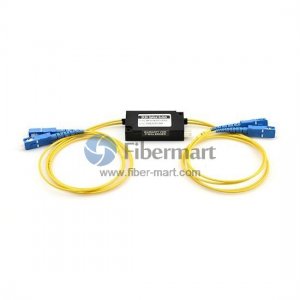
As the world becomes increasingly reliant on digital technology, the evolution of optical switch technology is not just a matter of convenience; it's a necessity. These advancements will underpin the infrastructure that supports our interconnected lives, ensuring that data flows seamlessly and securely in the digital age. The future is bright for optical switches, and their role in shaping the future of technology cannot be overstated.
If you're ready to explore the future of optical switch technology and transform your network infrastructure, look no further than Fibermart. With a global presence spanning Hong Kong and the United States, we're your premier partner in fiber optic network solutions. Our range of products includes Polarization Maintaining Fiber Cable, Polarization Maintaining Splitter, Polarization Maintaining Coupler, and more.
Get in touch with us today to explore our offerings and start your journey toward a brighter, more connected tomorrow.





No comments have been posted yet.