


.webp)


In optical communications, mW (milliwatt), dBm (decibel-milliwatt), and dB (decibel) are commonly used units for power.
During daily using, it's common for participants to be confused about the relationship between these three units. Today, we will clarify the relationship and conversion that between them.
Understand the meaning of mW, dBm and dB.
mW (milliwatt): This is a linear unit representing the actual numerical value of optical power. For example, 1 mW represents one milliwatt of optical power.
dBm (decibel-milliwatt): This is a logarithmic unit representing a power value relative to 1 milliwatt. The calculation formula is:
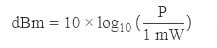
Here, P in the formula is the power value in milliwatts (mW). For example, the power conversion for 1 mW to dBm is:

dB (decibel): This is also a logarithmic unit, representing the ratio between two power values. The calculation formula is:
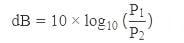
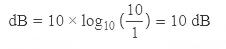
Here, P1 and P2 are the two power values, which can be in mW or dBm. For example, if P1 is 10 mW and P2 is 1 mW, then:
In practice, for dB, we most commonly understand it as representing the gain or attenuation of optical power.
Therefore, dB can also be the value obtained directly from the addition or subtraction of two dBm values, that is:
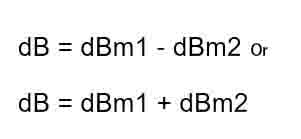
For example, when expressing the insertion loss (dB) of an optical component, we simply subtract the dBm values of the input and output optical power.
Summarize the relationship between mW, dBm and dB as follows:
-
mW is a linear unit representing the actual power value.
-
dBm is a logarithmic unit relative to 1 milliwatt, used to express a single power value.
-
dB is a logarithmic unit representing the ratio between two power values, or the difference between two logarithmic units, used to express power gain or loss.
Regarding the conversion relationship between these three units, let's look at an example to make it clear.
Assume two power values:
P1 = 10 mW, P2 = 1 mW
Convert to dBm:

Convert to dB (using linear values):
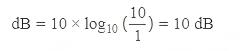
Or (using dBm values):
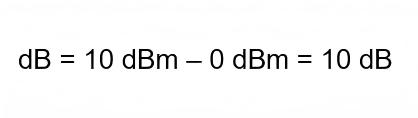
Through these conversions and calculations, we can conveniently represent and compare different power values in optical communications. After understanding the conversion relationships, let's look at a practical example of optical power calculation in optical transmission.
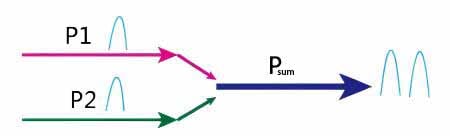
As shown in the diagram, P_total represents the combined optical power; P1 and P2 represent the single-wavelength optical powers.
To calculate the total optical power after combination, we use the following method.
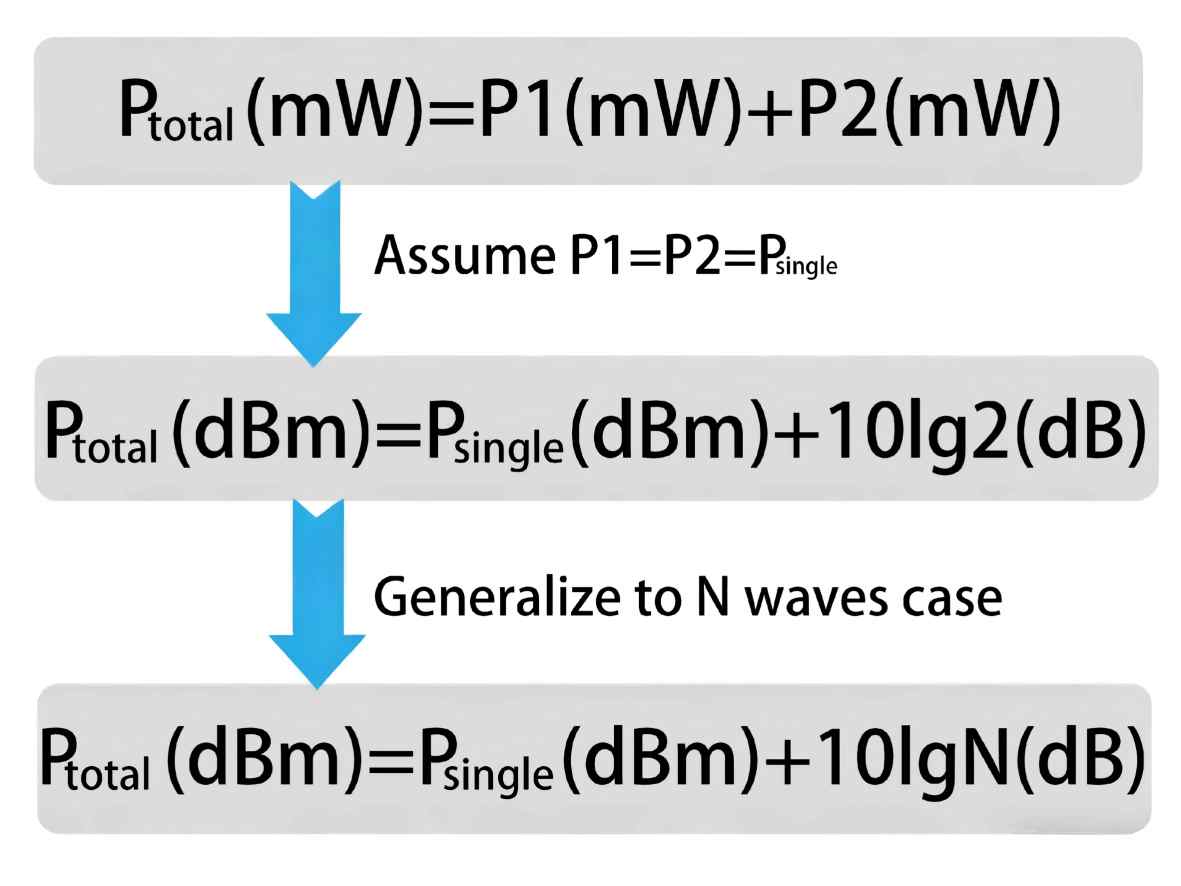





No comments have been posted yet.