


.webp)


In the era of hyper-connected digital transformation, fiber optic networks stand as the backbone of global data transmission, supporting everything from high-speed internet access to mission-critical enterprise communications. As bandwidth demands surge exponentially—driven by 5G deployment, cloud computing, and immersive media—the need for reliable, high-performance optical amplification solutions has never been more pressing. Among these solutions, the wideband EDFA amplifier for fiber optic networks emerges as a game-changing technology, enabling seamless signal amplification across broad spectral ranges while maintaining exceptional signal integrity. This article delves into the core capabilities, technical advantages, and real-world applications of this innovative amplifier, highlighting why it has become an indispensable component in modern fiber optic infrastructure.
Understanding Wideband EDFA Amplifier for Fiber Optic Networks: Fundamentals and Core Design
What Sets Wideband EDFA Apart from Conventional Optical Amplifiers?
The wideband EDFA amplifier for fiber optic networks is an advanced iteration of the Erbium-Doped Fiber Amplifier (EDFA), a technology that revolutionized optical communication by eliminating the need for costly and inefficient electrical signal conversion. Unlike traditional EDFAs, which operate within narrow spectral windows, wideband EDFA amplifiers are engineered to amplify optical signals across an extended wavelength range—typically spanning the C-band (1530–1565 nm) and L-band (1565–1625 nm), and in some cases, even beyond. This broad spectral coverage is achieved through precise doping of erbium ions in the fiber core, optimized pump laser configurations, and innovative gain-flattening techniques that ensure uniform amplification across the entire operating band.
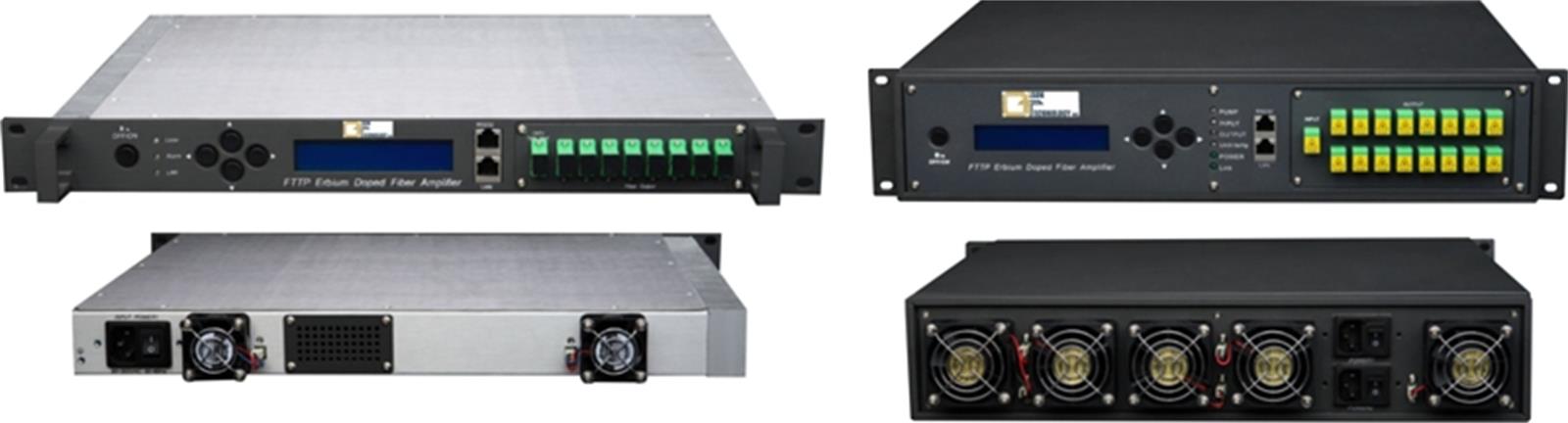
What distinguishes the wideband EDFA amplifier for fiber optic networks is its ability to handle multiple channels simultaneously without compromising signal quality. In dense wavelength-division multiplexing (DWDM) systems, where dozens or even hundreds of channels are transmitted over a single fiber, this capability is critical. Conventional amplifiers often suffer from gain tilt—variations in amplification efficiency across different wavelengths—leading to signal distortion and reduced transmission distances. The wideband EDFA amplifier for fiber optic networks mitigates this issue through advanced gain equalization, ensuring each channel receives consistent amplification, thus maximizing network capacity and reliability.
The Technical Mechanism Behind Wideband Amplification
At the heart of the wideband EDFA amplifier for fiber optic networks lies the erbium-doped fiber (EDF), which serves as the gain medium. When pumped with high-power laser diodes (typically operating at 980 nm or 1480 nm), the erbium ions absorb the pump energy and transition to an excited state. As optical signals pass through the EDF, they stimulate the excited erbium ions to release their energy in the form of identical photons, amplifying the signal. What makes wideband EDFAs unique is their optimized EDF composition and pump configuration, which enable efficient energy transfer across a broad range of signal wavelengths.
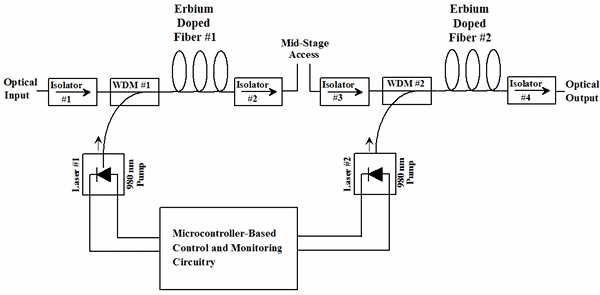
To achieve flat gain across the wide spectral band, the wideband EDFA amplifier for fiber optic networks incorporates gain-flattening filters (GFFs) or dynamic gain equalizers (DGEs). These components adjust the amplification level at different wavelengths, compensating for the natural gain curve of erbium ions. Additionally, dual-pump or multi-pump configurations are often employed to enhance gain bandwidth and efficiency. For example, combining 980 nm and 1480 nm pumps allows for broader gain coverage, as each pump wavelength excites erbium ions in slightly different energy levels, expanding the range of amplifiable signals. The result is a amplifier that delivers consistent, high-quality amplification across the entire wideband spectrum, making it ideal for next-generation fiber optic networks.
Key Advantages of Wideband EDFA Amplifier for Fiber Optic Networks in Modern Infrastructure
Unmatched Bandwidth Expansion and Network Scalability
One of the most significant benefits of the wideband EDFA amplifier for fiber optic networks is its ability to support massive bandwidth expansion. As data traffic continues to grow at a compound annual growth rate (CAGR) of over 20%, network operators need solutions that can scale without requiring complete overhauls of existing infrastructure. The wideband EDFA amplifier for fiber optic networks addresses this need by enabling the addition of more channels within the same fiber, leveraging the extended spectral range to accommodate hundreds of DWDM channels. This scalability not only reduces capital expenditure (CapEx) by maximizing the utilization of existing fiber assets but also simplifies network upgrades, as new services can be deployed by adding channels rather than laying new fiber.
For example, in metro and long-haul networks, the wideband EDFA amplifier for fiber optic networks allows operators to expand capacity from 100 Gbps to 400 Gbps or even 800 Gbps per channel, without replacing the amplification hardware. This flexibility is crucial in supporting emerging applications such as 5G backhaul, cloud-to-cloud connectivity, and high-definition video streaming, which require ultra-high bandwidth and low latency. By unlocking the full spectral potential of fiber optic cables, the wideband EDFA amplifier for fiber optic networks becomes a cornerstone of scalable, future-proof network design.
Superior Signal Quality and Transmission Distance
Signal integrity is paramount in fiber optic communication, as even minor distortion can lead to data loss or corruption. The wideband EDFA amplifier for fiber optic networks excels in maintaining signal quality, thanks to its flat gain profile and low noise figure. The noise figure— a measure of how much the amplifier degrades the signal-to-noise ratio (SNR)—is typically as low as 4–5 dB for wideband EDFAs, ensuring that amplified signals retain their clarity even after long-distance transmission. This low noise performance is critical in long-haul networks, where signals may pass through multiple amplifiers before reaching their destination.
Moreover, the wideband EDFA amplifier for fiber optic networks minimizes nonlinear effects such as self-phase modulation (SPM) and cross-phase modulation (XPM), which can distort signals in high-capacity systems. By distributing the signal power across a broader spectral range, the amplifier reduces the power density per channel, mitigating these nonlinearities and extending transmission distances. In practice, this means that wideband EDFAs can support transmission over thousands of kilometers without the need for costly signal regeneration, reducing operational expenditure (OpEx) and improving network reliability. For regional and long-haul networks, this capability translates to fewer amplification sites, simplified network management, and enhanced overall performance.
Versatility Across Network Segments and Applications
The wideband EDFA amplifier for fiber optic networks is not limited to a specific network segment or application—it is designed to excel in access, metro, regional, and long-haul networks, as well as in telecom, cable, and enterprise environments. In access networks, such as fiber-to-the-home (FTTH), wideband EDFAs enable passive optical network (PON) systems to support more users and higher bandwidth per user, delivering gigabit internet speeds to residential and business customers. In metro networks, they facilitate high-capacity connectivity between data centers and urban nodes, supporting the dense traffic generated by smart cities and IoT devices.
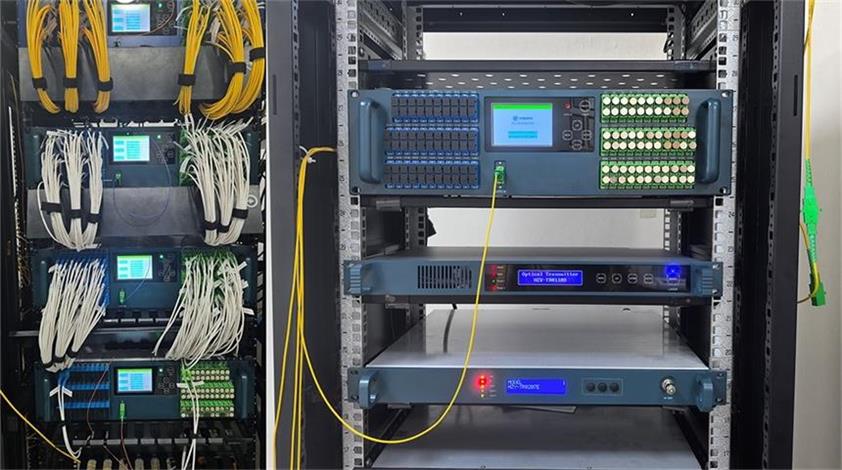
In long-haul networks, the wideband EDFA amplifier for fiber optic networks is a critical component in transoceanic and intercontinental cable systems, where it amplifies signals over thousands of kilometers with minimal loss. For enterprise networks, it enables high-speed connectivity between branch offices and data centers, supporting mission-critical applications such as video conferencing, cloud computing, and data backup. Additionally, the wideband EDFA amplifier for fiber optic networks is compatible with various network architectures, including DWDM, SDH, and Ethernet, making it a versatile solution that can integrate seamlessly with existing infrastructure. This versatility ensures that network operators can deploy the same amplifier technology across different parts of their network, reducing complexity and lowering costs.
Real-World Applications and Future Outlook of Wideband EDFA Amplifier for Fiber Optic Networks
Transforming Telecom and Cable Networks
Telecom and cable operators are among the primary beneficiaries of the wideband EDFA amplifier for fiber optic networks. As they race to meet the growing demand for high-speed internet, streaming services, and 5G connectivity, these operators need amplification solutions that can handle increasing bandwidth requirements while reducing costs. The wideband EDFA amplifier for fiber optic networks enables them to upgrade their existing DWDM systems to support more channels and higher data rates, without replacing the entire fiber plant. For example, a cable operator can use wideband EDFAs to expand their DOCSIS 3.1 network to support 10 Gbps downstream speeds, meeting the needs of power users and future-proofing their infrastructure.
In 5G networks, the wideband EDFA amplifier for fiber optic networks plays a crucial role in backhaul and fronthaul applications. 5G base stations generate significantly more traffic than 4G, requiring high-capacity, low-latency connectivity to the core network. Wideband EDFAs enable the deployment of fiber-based backhaul networks that can support the massive data flows from 5G base stations, ensuring reliable and fast connectivity for end users. Additionally, the amplifier’s ability to operate across multiple bands makes it suitable for dynamic spectrum management, allowing operators to allocate bandwidth to different services as needed.
Empowering Enterprise and Data Center Connectivity
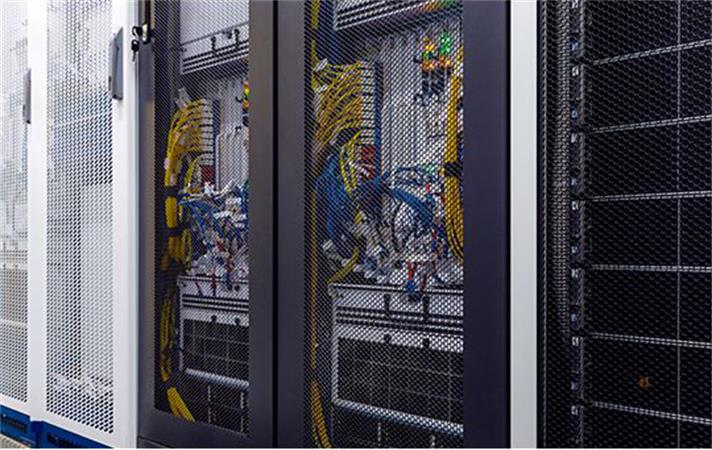
Data centers are the engines of the digital economy, processing and storing vast amounts of data. To support the growing demand for cloud computing and big data analytics, data centers require high-speed, low-latency connectivity between servers, storage systems, and remote locations. The wideband EDFA amplifier for fiber optic networks provides the necessary amplification to enable 400Gbps and 800Gbps Ethernet connections over long distances, facilitating efficient data transfer between data centers and across geographic regions.
Enterprise networks also benefit from the wideband EDFA amplifier for fiber optic networks, as it enables secure, high-speed connectivity between branch offices, headquarters, and cloud service providers. For example, a multinational corporation can use wideband EDFAs to connect its regional offices via a private fiber network, ensuring fast and reliable access to centralized data and applications. The amplifier’s flat gain profile and low noise performance ensure that sensitive data is transmitted without corruption, while its scalability allows the network to grow as the company expands.
Future Innovations and Emerging Trends
The future of the wideband EDFA amplifier for fiber optic networks is marked by continuous innovation, driven by the need for even higher bandwidth, lower power consumption, and greater integration. One emerging trend is the development of hybrid amplifiers that combine wideband EDFA technology with Raman amplification. Raman amplifiers use the fiber itself as the gain medium, amplifying signals through stimulated Raman scattering, and when combined with wideband EDFAs, they can extend the spectral coverage further, supporting even more channels and longer transmission distances.
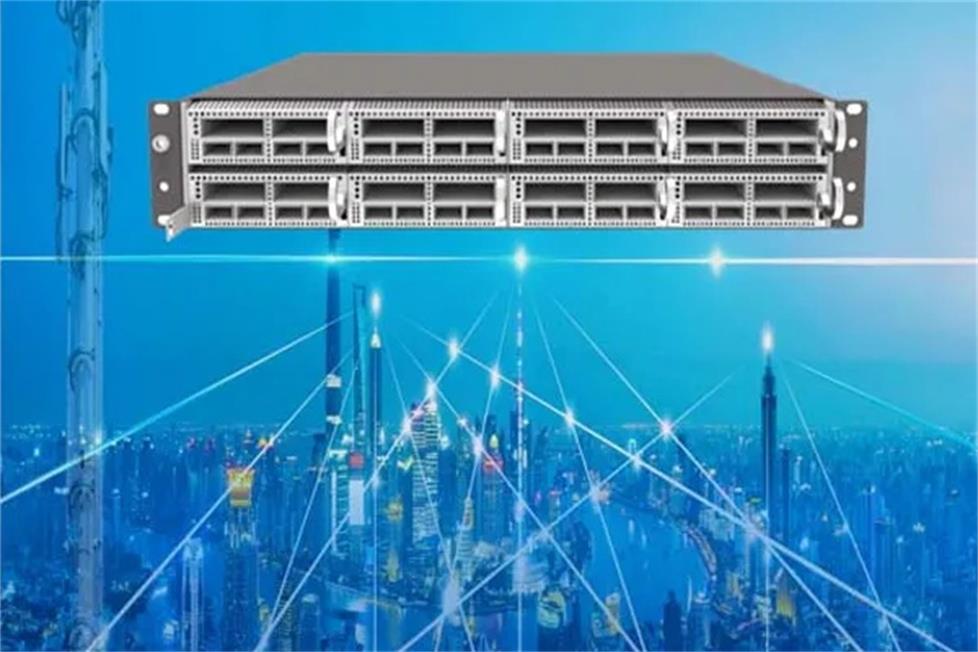
Another trend is the miniaturization of wideband EDFA amplifiers, making them suitable for compact, space-constrained environments such as edge data centers and 5G base stations. Advances in semiconductor technology and fiber design are enabling the development of smaller, more efficient amplifiers that consume less power while delivering the same high performance. Additionally, the integration of artificial intelligence (AI) and machine learning (ML) into wideband EDFA systems is expected to enhance network management, enabling real-time monitoring and dynamic adjustment of gain levels to optimize performance and reduce downtime.
As the demand for data continues to grow unabated, the wideband EDFA amplifier for fiber optic networks will remain a critical technology in the evolution of fiber optic communication. Its ability to deliver wide spectral coverage, high signal quality, and scalability makes it an indispensable component in modern networks, supporting everything from everyday internet usage to mission-critical applications. Whether in telecom, enterprise, or data center environments, the wideband EDFA amplifier for fiber optic networks is redefining what’s possible in optical communication, enabling a more connected, efficient, and digital future.





No comments have been posted yet.