


.webp)


In the rapidly evolving landscape of modern data transmission and telecommunications, the demand for reliable, efficient, and perfectly adapted connectivity solutions has never been higher. Among the key components that power today’s networks, fiber optic cable stands out as the gold standard, offering unparalleled bandwidth, low signal loss, and resistance to electromagnetic interference. However, off-the-shelf fiber optic cable products often fall short when faced with the unique requirements of specific installations—whether it’s a compact data center rack, a sprawling enterprise campus, or a specialized industrial setup. This is where custom length fiber optic cable assembly emerges as a game-changing solution, designed to align seamlessly with the exact needs of any networking environment.
Understanding Custom Length Fiber Optic Cable Assembly: Beyond One-Size-Fits-All
What Defines a Custom Length Assembly?
A custom length fiber optic cable assembly refers to a precision-engineered connectivity solution where the core cable is cut, terminated, and configured to a specific length, paired with optimal connectors and design features to meet the unique demands of a project. Unlike standard pre-cut options that come in fixed lengths (e.g., 1m, 3m, 5m), custom assemblies are crafted to fit the exact spatial constraints and performance requirements of the application. This customization extends beyond mere length adjustment; it encompasses the selection of fiber type (singlemode or multimode, such as OM3, OM4), connector interfaces (LC, SC, FC, ST, MTP/MPO, etc.), polish types (UPC or APC), and specialized designs (armored, duplex, simplex) to create a fully tailored solution.
The Core Advantages of Customization
The primary benefit of opting for a custom length assembly is the elimination of inefficiencies associated with mismatched cable lengths. Excess cabling in a data center, for instance, can lead to clutter, increased risk of damage, and unnecessary signal attenuation. Conversely, cables that are too short may require awkward extensions, compromising connection integrity. A tailored assembly eliminates these issues by providing a precise fit, reducing cable management complexity and optimizing signal performance. Additionally, customization allows for the integration of application-specific features—such as armored casings for rugged environments or high-density MTP/MPO connectors for data centers—ensuring the solution not only fits physically but also delivers peak performance under the intended operating conditions.
Key Components of a High-Quality Custom Length Assembly
Fiber Type Selection: Matching Performance to Application
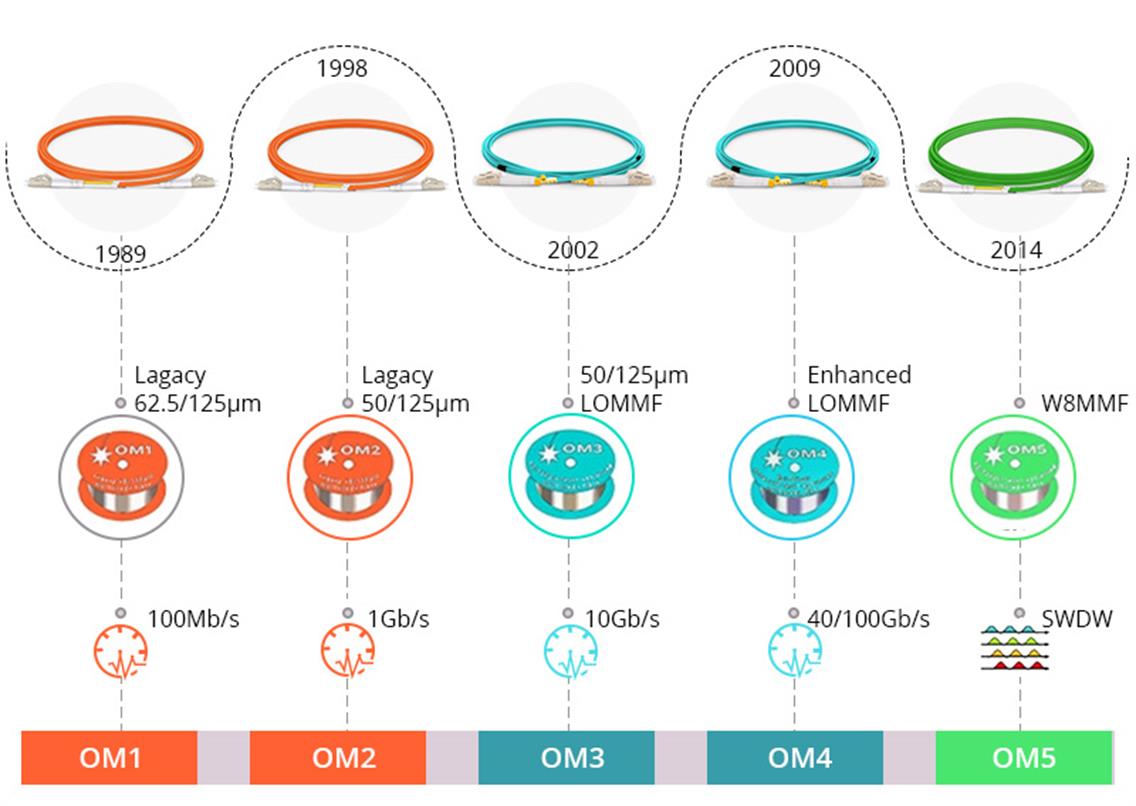
The foundation of any reliable custom length assembly is the right fiber type. Singlemode variants (9/125µm) are ideal for long-distance transmissions, such as telecommunications backbones or intercity connections, as they carry a single mode of light to minimize signal dispersion. Multimode options, available in 50/125µm (OM3, OM4) and 62.5/125µm (OM1, OM2) variants, are designed for high-bandwidth, short-range applications like data center interconnects and enterprise networks. When customizing, selecting the appropriate fiber type ensures that the assembly meets the required bandwidth, distance, and cost parameters of the project.
Connector Compatibility: Ensuring Seamless Integration
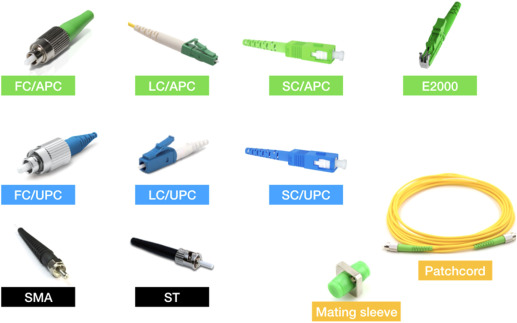
Connectors are critical components of a custom length assembly, as they determine compatibility with network hardware (switches, servers, transceivers, patch panels). Industry-standard connectors such as LC (small form-factor, ideal for high-density environments), SC (push-pull design, widely used in enterprise networks), FC (threaded connector, suitable for rugged applications), and MTP/MPO (high-density parallel optics for data centers) are available in both UPC (Ultra Physical Contact) and APC (Angled Physical Contact) polish types. UPC connectors offer low insertion loss for general-purpose use, while APC connectors provide superior back reflection performance for sensitive applications like CATV and long-haul telecommunications. A custom assembly ensures that the chosen connectors align perfectly with existing network infrastructure, eliminating compatibility issues and ensuring plug-and-play functionality.
Specialized Designs for Enhanced Durability and Performance
Custom length assemblies can be enhanced with specialized designs to address unique environmental or operational challenges. Armored variants, for example, feature a protective layer (metal or aramid yarn) that shields the fiber from physical damage, moisture, and rodent infestation—making them ideal for outdoor installations, industrial settings, or data center aisles where cables are exposed to harsh conditions. Duplex assemblies, which consist of two fibers in a single jacket, support bidirectional communication, while simplex assemblies (one fiber) are used for unidirectional links. These design options, combined with custom length, allow for the creation of a solution that is not only perfectly sized but also robust enough to withstand the demands of its intended application.
Applications of Custom Length Assemblies: Where Precision Matters
Data Center Optimization
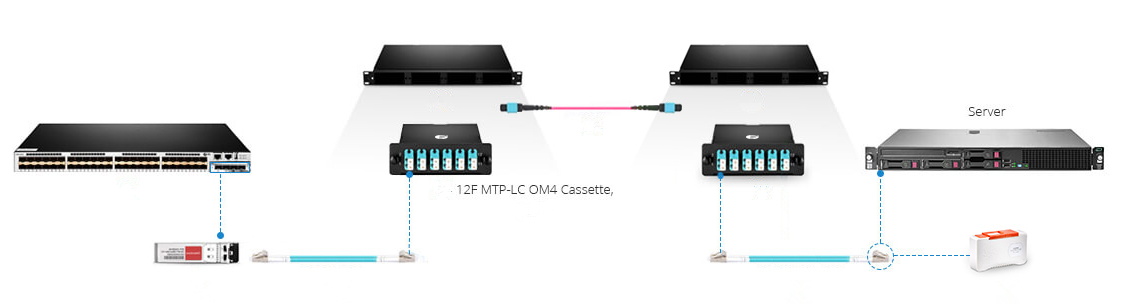
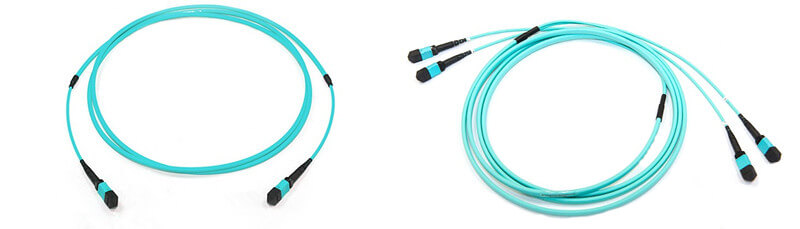
Data centers are the backbone of modern digital infrastructure, requiring high-density, low-latency connectivity between servers, switches, and storage area networks (SANs). Custom length assemblies are indispensable in this environment, as they allow for precise routing between racks, rows, and data center pods. By eliminating excess cabling, custom solutions reduce airflow obstruction, minimize tangling, and improve overall data center efficiency. High-density MTP/MPO custom assemblies, in particular, are widely used in 40G/100G/400G data center networks, enabling parallel optics and maximizing port utilization.
Enterprise Network Backbones
Enterprise networks span office buildings, campuses, and remote locations, requiring flexible connectivity solutions that adapt to varying spatial layouts. Custom length assemblies are used to connect workstations to network outlets, link patch panels across floors, and establish reliable backbones between buildings. Whether it’s a short-run cable for a conference room AV system or a long-distance assembly for campus-wide connectivity, customization ensures that the solution fits the physical constraints of the facility while delivering consistent performance. Additionally, armored custom assemblies can be deployed in outdoor or high-traffic areas to protect against accidental damage.
Telecommunications and Broadband Systems
Telecommunications providers and broadband operators rely on specialized connectivity to deliver high-speed internet, television, and telephone services to residential and commercial customers. Custom length assemblies play a crucial role in central offices, equipment rooms, and fiber distribution panels, where precise connections are required to minimize signal loss and ensure service reliability. APC-polished custom assemblies are often used in CATV systems to reduce back reflection, while long-range singlemode custom solutions enable interconnections between central offices and remote distribution points.
Industrial and Specialized Environments
Industrial settings, such as manufacturing plants, oil refineries, and power stations, present unique challenges for connectivity—including extreme temperatures, moisture, vibration, and chemical exposure. Custom length assemblies with armored jackets and rugged connectors are designed to withstand these harsh conditions, providing reliable communication between industrial control systems, sensors, and monitoring equipment. Additionally, custom solutions are used in specialized applications like system integration testing, lab environments, and field service installations, where precise cable lengths and configurations are essential for accurate results.
Choosing the Right Provider for Custom Length Assemblies
When investing in a custom length assembly, selecting a reputable provider is critical to ensuring quality, performance, and reliability. A trusted supplier should offer a comprehensive range of customization options, including fiber type, connector type, length, and specialized designs. They should also adhere to strict manufacturing standards, using high-quality materials (such as ceramic ferrules for connectors and low-loss fiber cores) to ensure minimal insertion loss and back reflection. Additionally, a reliable provider should offer testing and certification for each custom assembly, verifying that it meets industry standards for performance and durability.
Conclusion
In conclusion, custom length fiber optic cable assembly is a versatile and essential solution for modern networking environments, offering precision, performance, and flexibility that off-the-shelf cables cannot match. By tailoring the length, fiber type, connectors, and design to the specific needs of the application, these assemblies ensure seamless integration, optimal performance, and long-term reliability. Whether it’s optimizing data center efficiency, enhancing enterprise connectivity, or enabling critical telecommunications services, custom length solutions are the key to building robust, future-ready networks. As technology continues to advance, the demand for customized connectivity will only grow—solidifying the role of the fiber optic cable as the backbone of global digital infrastructure.





No comments have been posted yet.