


.webp)


In the intricate ecosystem of fiber optic networks, the fiber optic pigtail serves as a critical connecting link, bridging optical components with fiber cables to ensure seamless signal transmission. As a short, pre-terminated fiber optic cable, it eliminates the need for on-site termination—reducing installation time, minimizing signal loss, and enhancing network reliability. This guide explores the core characteristics, diverse types, key specifications, and practical applications of the fiber optic pigtail, providing insights to help industry professionals select and deploy this essential component effectively.
What Is a Fiber Optic Pigtail?
At its essence, a fiber optic pigtail is a compact, single or multi-fiber cable with one end pre-terminated with a standard optical connector (such as LC, SC, FC, or ST) and the other end left unterminated (often stripped or buffered for fusion splicing). This design allows for quick, low-loss integration with other fiber optic components—including transceivers, splitters, circulators, and patch panels—by enabling fusion splicing (a permanent, high-performance connection method) between the unterminated end and the main fiber cable.
Unlike patch cords (which have connectors on both ends and are used for temporary, movable connections), the fiber optic pigtail is intended for permanent installations. Its pre-terminated connector ensures consistent performance, as terminations are completed in controlled factory environments using precision equipment—avoiding the errors and signal degradation that can occur with on-site termination. Whether in data centers, telecommunications networks, or industrial sensing systems, the fiber optic pigtail acts as a “transition point” that simplifies network assembly while maintaining signal integrity.

Key Types of Fiber Optic Pigtail
Fiber optic pigtails are categorized based on multiple factors, including fiber mode, fiber count, connector type, and specialized designs. Each type is tailored to specific network requirements, ensuring compatibility and optimal performance.
Classification by Fiber Mode
The fiber mode determines the pigtail’s ability to transmit light signals, with two primary categories dominating the market:
Singlemode (SM) Fiber Optic Pigtail:
Designed for long-haul, high-bandwidth transmission, singlemode pigtails use a narrow fiber core (typically 9/125 μm, where 9 μm is the core diameter and 125 μm is the cladding diameter). They operate at wavelengths of 1310 nm and 1550 nm, offering low attenuation (signal loss) and minimal dispersion (pulse spreading)—making them ideal for telecommunications networks, long-distance data links, and enterprise backbones. Common singlemode grades include OS2, which supports ultra-long-haul transmission.
Multimode (MM) Fiber Optic Pigtail:
Pigtail: Multimode pigtails have a larger core (50/125 μm or 62.5/125 μm) and operate at shorter wavelengths (850 nm and 1300 nm). They are optimized for short-distance applications (up to 2 km) with moderate bandwidth needs, such as data center interconnections, local area networks (LANs), and indoor cabling. They are further classified by OM (Optical Multimode) standards: OM1 (legacy 62.5/125 μm), OM2 (50/125 μm for 1 Gbps), OM3 (50/125 μm for 10 Gbps), OM4 (enhanced 50/125 μm for 10 Gbps over longer distances), and OM5 (wideband 50/125 μm for 40/100 Gbps with multiple wavelengths).

Classification by Fiber Count
Fiber count refers to the number of individual fiber strands within a single pigtail, catering to varying density needs:
Simplex Fiber Optic Pigtail:
Contains one fiber strand, suitable for point-to-point connections (e.g., linking a transceiver to a single fiber cable). It is often used in low-density applications like residential fiber-to-the-home (FTTH) setups.
Duplex Fiber Optic Pigtail:
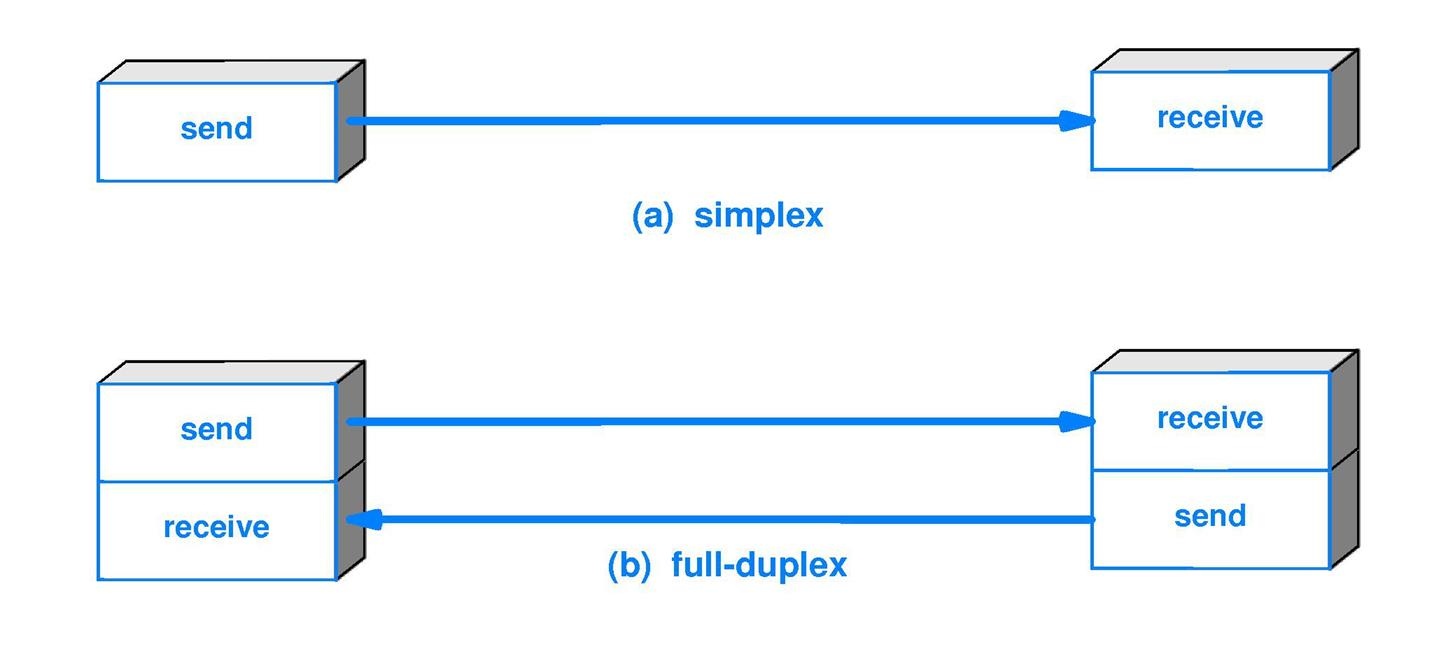
Consists of two fiber strands (one for transmit, one for receive), designed for bi-directional communication. It is common in data centers and LANs where devices require simultaneous send and receive capabilities.
Multi-Fiber Optic Pigtail:
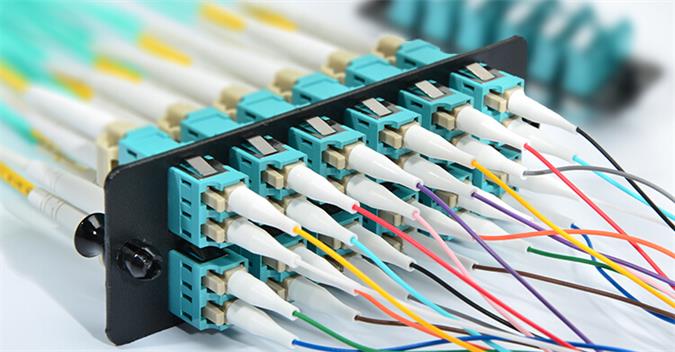
Includes 4, 6, 8, 12, 24, or 48 fiber strands, like 12 Fiber Pigtail, 12 Fiber Ribbon Pigtails, organized in bunches or ribbons. These pigtails are ideal for high-density environments, such as data center patch panels or telecom distribution frames, where multiple connections need to be consolidated to save space.
Specialized Fiber Optic Pigtails
To address unique environmental or performance demands, specialized pigtail designs are available:
Armored Fiber Optic Pigtail:
Features a protective metal or fiber-reinforced jacket that resists physical damage, moisture, and electromagnetic interference (EMI). It is used in harsh industrial settings, outdoor deployments, or areas prone to vibration (e.g., factory floors, oil pipelines).
Waterproof Fiber Optic Pigtail:
Equipped with a sealed jacket and moisture-resistant connectors, this pigtail ensures reliable performance in wet environments—such as outdoor telecom towers, underwater sensors, or marine applications.
Customized Fiber Optic Pigtail:
Manufacturers like Fibermart offer tailored solutions, allowing customization of fiber type (SM/MM), connector type, length, jacket color, and packaging. This flexibility ensures the pigtail aligns with unique network designs, such as custom-length fiber pigtails for tight spaces or color-coded pigtails for easy identification.
Critical Specifications of Fiber Optic Pigtail
The performance of a fiber optic pigtail is defined by key technical specifications, which directly impact network efficiency and reliability. Understanding these parameters is essential for selecting the right pigtail for any application.
Signal Performance Metrics
Insertion Loss:
The power loss incurred when a signal passes through the pigtail’s connector. For high-quality fiber optic pigtails, insertion loss should be <0.25 dB—minimizing signal degradation and ensuring sufficient power margins in long-haul or high-bandwidth networks.
Return Loss:
Measures the amount of light reflected back from the connector (due to impedance mismatches). A return loss of ≥50 dB is standard, as low reflection prevents signal interference and protects sensitive components like lasers.
Attenuation:
The signal loss per unit length of the fiber. For singlemode pigtails, attenuation is typically 0.36 dB/km at 1310 nm and 0.22 dB/km at 1550 nm; for multimode pigtails, it is higher at shorter wavelengths (e.g., ~3.5 dB/km at 850 nm for OM3).
Mechanical and Environmental Specifications
Connector Durability:
High-quality connectors (e.g., LC, SC) can withstand ≥1000 mating cycles without significant performance degradation, ensuring long-term reliability in frequently accessed systems like data center patch panels.
Bend Radius:
The minimum radius a pigtail can be bent without damaging the fiber or increasing signal loss. For the optical fiber itself, the minimum bend radius is 10 mm; for the cable, it is 10D (dynamic, when in motion) or 5D (static, when fixed), where D is the cable’s outer diameter (typically 0.9 mm or 2.0 mm).
Temperature Range:
The fiber optic pigtail operates reliably in temperatures from -40°C to 75°C (-40°F to 167°F) and can be stored in environments from -45°C to 85°C (-49°F to 185°F), making it suitable for both indoor and outdoor use.
Jacket Material:
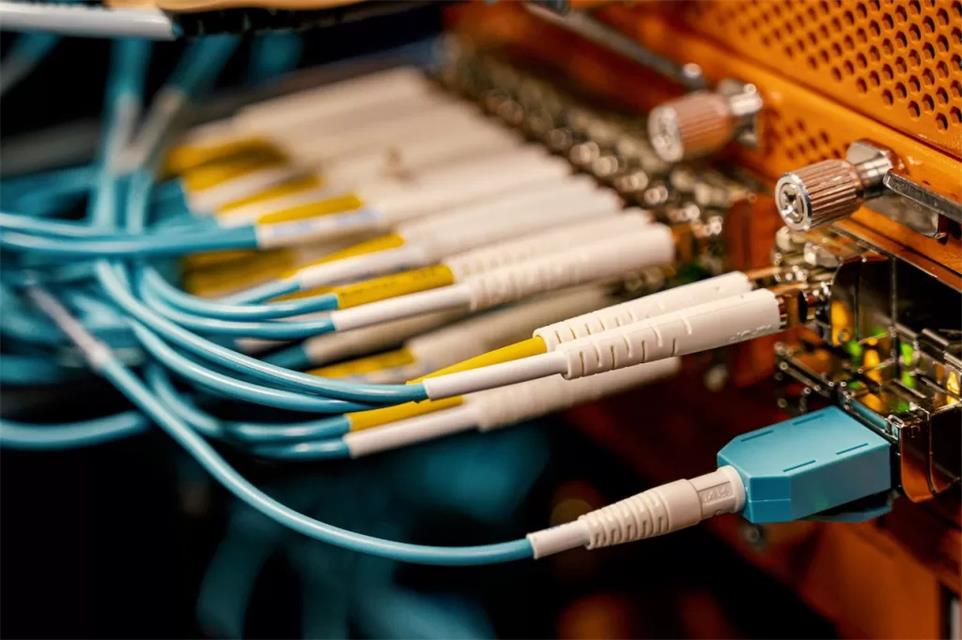
Common materials include LSZH (Low Smoke Zero Halogen, flame-retardant for indoor use) and PVC (cost-effective for non-critical environments). Jacket color often indicates fiber type: yellow for singlemode, green for OM1/OM2, aqua for OM3/OM4, and lime green for OM5.
Compliance Standards
All reputable fiber optic pigtails adhere to global standards to ensure interoperability and quality:
Telcordia (GR-326):
Defines requirements for fiber optic connectors and cables, ensuring mechanical and environmental performance.
EIA/TIA-568:
Specifies cabling standards for LANs, including fiber optic pigtail compatibility with network architectures.
IEC 61754:
Governs optical connector interfaces, ensuring pigtails from different manufacturers work with other components.
RoHS:
Restricts hazardous substances (e.g., lead, mercury) in manufacturing, making the fiber optic pigtail environmentally friendly.
Applications of Fiber Optic Pigtail
The versatility of the fiber optic pigtail makes it a staple in diverse industries, where it enables reliable, efficient connections across various network types.
Telecommunications Networks
In telecom systems—from long-haul backbone networks to last-mile FTTH deployments—the fiber optic pigtail is used to connect main fiber cables to equipment like transceivers, optical amplifiers, and OADMs (Optical Add-Drop Multiplexers). Singlemode pigtails (e.g., OS2) are preferred for long-haul links, while multimode pigtails (e.g., OM3/OM4) are used in local exchanges. Their pre-terminated design reduces installation time, critical for scaling telecom networks to meet growing data demand.

Data Centers
Data centers rely on high-density, low-latency connections, and the fiber pigtail plays a key role in linking servers, storage devices, and switches to the core network. Duplex or multi-fiber pigtails (e.g., 12-fiber ribbon pigtails) are used in patch panels to consolidate connections, while OM3/OM4/OM5 multimode pigtails support 10/40/100 Gbps speeds for short-distance interconnections. Armored pigtails may be used in data center cooling zones to resist damage from airflow or equipment movement.
Industrial and Sensing Systems
In industrial settings—such as manufacturing plants, power grids, and oil refineries—the fiber optic pigtail connects sensors (e.g., temperature, pressure, vibration sensors) to control systems. Armored or waterproof pigtails are preferred here, as they withstand harsh conditions like dust, moisture, and EMI. Singlemode pigtails are often used for long-distance sensor links (e.g., along pipelines), while multimode pigtails serve short-range industrial LANs.
Broadband and Enterprise Networks
For enterprise LANs, campus networks, and broadband access (e.g., FTTH), the fiber optic pigtail enables connections between customer premises equipment (CPE) and the service provider’s network. Simplex singlemode pigtails are used for FTTH, while duplex multimode pigtails support bi-directional communication in office networks. Color-coded pigtails simplify network maintenance, allowing technicians to quickly identify and troubleshoot connections.

Summary
The fiber optic pigtail is an unsung hero of modern fiber optic networks, providing a reliable, efficient means to connect components while maintaining signal integrity. Its diverse types—from singlemode to multimode, simplex to multi-fiber, and specialized armored designs—cater to every application, from long-haul telecom to industrial sensing. By understanding its key specifications (insertion loss, return loss, temperature range) and compliance with global standards, professionals can select the right fiber optic pigtail to optimize network performance. As demand for faster, more reliable connectivity grows—driven by 5G, cloud computing, and IoT—the fiber optic pigtail will remain a foundational component, enabling the next generation of optical networks.





No comments have been posted yet.