


.webp)


From Principle to Practice: Fiber Optic Cable Termination
Fiber optic cables form the backbone of modern communication networks, renowned for their high bandwidth, low loss, and immunity to electromagnetic interference. However, unlike simply plugging in an RJ45 connector, terminating fiber optics is a craft that requires precision tools and skilled technique. Whether you're working on network cabling, repairing a break, or creating patch cords, mastering proper fiber termination is crucial.
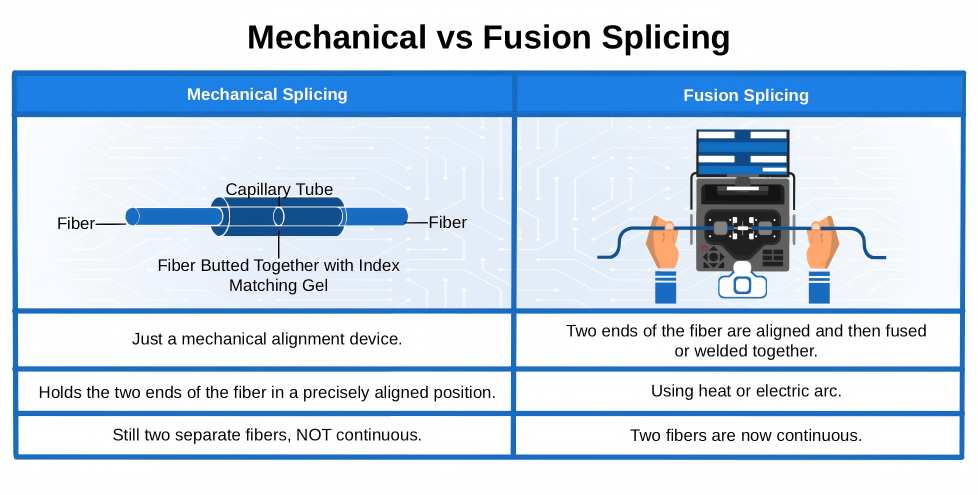
This article delves into the two primary methods of fiber optic termination: Fusion Splicing and Mechanical Termination, and guides you step-by-step through the processes.
What Are We "Terminating"?
Before starting, it's essential to understand the goal. The fiber itself consists of ultra-pure glass (core and cladding). Termination aims to create a perfectly flat, smooth end-face on the fiber's tip and secure it within a connector (like LC, SC, ST), enabling low-loss, reliable connection to equipment or other fibers.
Key Challenges for Fiber Optic Termination:
-
Micron-Level Precision: The fiber core is extremely thin (typically 9µm for single-mode, 50 or 62.5µm for multi-mode). Tiny scratches, dust, or imperfections can cause significant signal loss or complete failure.
-
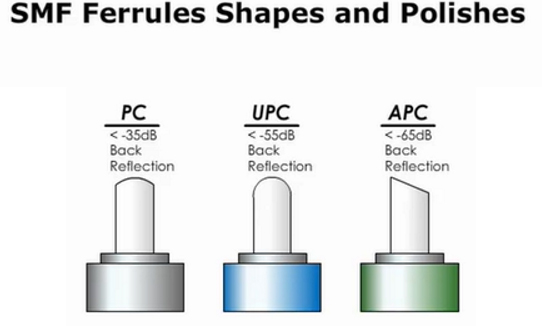
End-Face Angle: To minimize back reflection, especially in single-mode fibers, polishes like PC (Physical Contact), UPC (Ultra Physical Contact), or APC (Angled Physical Contact) are typically required.
Termination Method One: Fusion Splicing
Fusion splicing is the preferred method for permanently joining two optical fibers, using an electric arc to melt and fuse their end faces together. This method offers the lowest insertion loss (typically <0.1 dB), highest reliability, and long-term stability. It's commonly used in backbone networks, long-haul lines, and Fiber-to-the-Home (FTTH) permanent links.
Required Tools for Fusion Splicing Termination:
-
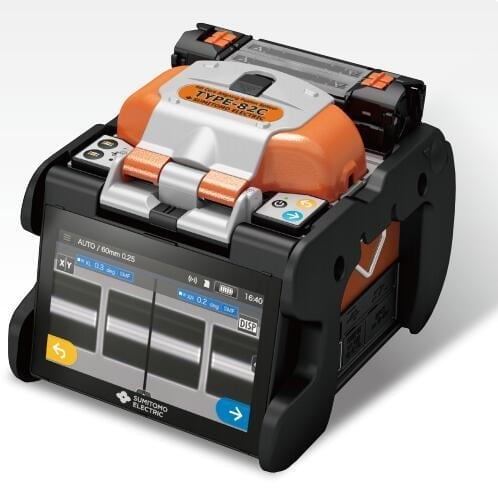
Fusion Splicer: The core device, automating fiber alignment, cleaning, splicing, and loss estimation.
-
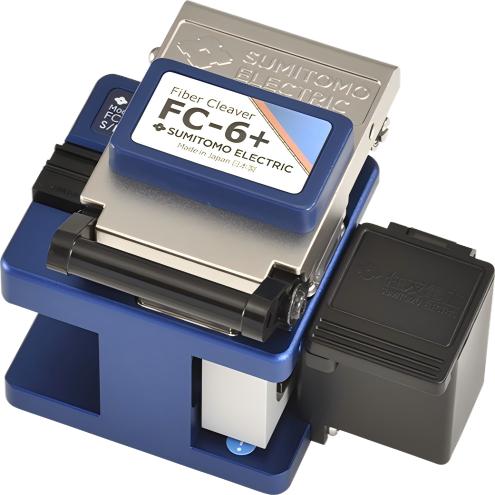
Fiber Cleaver: Ensures the fiber end-face is perfectly perpendicular, flat, and free of chips. This is the most critical tool for a successful splice.
-
Fiber Cleaver (Cable, Coating): For removing the cable jacket, aramid yarn (Kevlar), and buffer/coating without damaging the glass fiber.
-
Kevlar Scissors: For cutting the strong aramid yarn.
-
Alcohol & Lint-Free Wipes: High-purity (99%+) isopropyl alcohol for cleaning the bare fiber.
-
Heat-Shrink Sleeves/Protectives: Slip over the splice point, shrinking when heated to provide mechanical protection and strain relief.
Fusion Splicing Operation Steps:
-
Preparation & Safety
-
Safety First! Wear safety glasses to avoid getting tiny glass shards in your eyes.
-
Lay down a clean mat in your work area and dispose of all fiber scraps properly.
-
-
Cable Stripping
-
Use cable strippers to remove the cable's outer jacket (approx. 2-3 cm).
-
Use Kevlar scissors to cut away the exposed aramid yarn.
-
Use more precise coating strippers to remove the fiber's buffer/coating (approx. 2-3 cm), exposing the bare glass fiber. Handle gently to avoid introducing micro-bends or scratches.
-
-
Cleaning the Bare Fiber
-
Take a lint-free wipe with a small amount of alcohol.
-
Wipe the bare fiber using a "pulling" motion (don't bend it), from the coated section towards the end. Repeat several times to ensure it's thoroughly clean.
-
-
Cleaving the Fiber
-
This is the most critical step. Cleave quality directly determines splice loss.
-
Place the cleaned fiber into the cleaver's holder, following the specific instructions for your cleaver model.
-
Close the lid or slide the actuator smoothly to perform the cleave. Upon removal, you should have a perfect mirror-like end-face.
-
-
-
-
Splicing Operation
-
Turn on the fusion splicer and set parameters based on fiber type (single-mode/multi-mode).
-
Slide a heat-shrink sleeve onto the fiber beforehand.
-
Place the two prepared fibers into the splicer's V-grooves, leaving a small gap.
-
Close the wind shield and press the "SET" or "Start" button. The splicer will automatically perform:
-
Alignment: Precisely aligns the fiber cores via cameras.
-
Cleaning: A brief pre-fuse arc cleans possible debris from the end-faces.
-
Fusion: Generates a high-voltage arc to melt and fuse the fiber ends together, pushing them into contact.
-
Loss Estimation: Estimates the splice loss via image analysis.
-
-
If the displayed loss is acceptable (e.g., <0.05dB), open the wind shield.
-
-
Protecting the Splice
-
Gently center the heat-shrink sleeve over the splice point.
-
Place it into the splicer's heating chamber and start the heating cycle.
-
Once heated and cooled, you have a robust, protected splice.
-
-
Fiber Management & Enclosure
-
Carefully coil the spliced fiber inside a splice closure or patch panel's storage tray. Always observe the minimum bend radius (typically 20x the fiber diameter) to avoid macro-bend loss.
-

Termination Method Two: Mechanical Splicing & Field-Installed Connectors
This method doesn't require a fusion splicer, instead using mechanical means to secure the fiber inside a connector, potentially with adhesive or pre-applied gel. It's more suitable for quick repairs, small-scale terminations, or field-making patch cords, but typically has higher loss than fusion (approx. 0.3-0.5 dB).
A. Use Epoxy and Polish Fiber Connectors to be Terminated
This is the most traditional and reliable mechanical termination method.
Required Tools (in addition to basic tools):
-
Field-Installable Connector (with stub)
-
Epoxy Syringe and Adhesive
-
Curing Oven/Heater
-
Connector-specific Crimping Tool
-
Polishing Puck and Abrasive Papers (typically coarse, medium, fine)
Brief Steps:
-
Prep & Strip: Same as fusion steps 1-3.
-
Mix & Inject Epoxy: Mix the epoxy resin (Part A & B) and inject it into the connector's stub.
-
Insert Fiber: Thread the cleaned fiber through the connector until it slightly protrudes from the ferrule's tip.
-
Cure: Place the assembled connector into the curing oven to harden the epoxy.
-
Cleave & Clean: Use a hand cleaver tool to snap off the excess protruding fiber tip.
-
Polish: This is the most skill-intensive step. Using the polishing puck, polish the connector end-face on the abrasive papers in a figure-8 pattern, progressing from coarse to fine, until the end-face is mirror-smooth and meets UPC or APC standards.

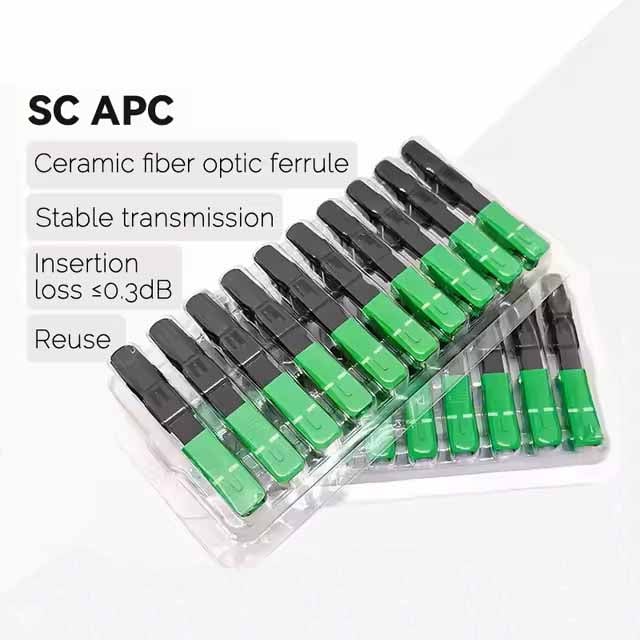
B. Mechanical Splicing Connectors (No-Epoxy/No-Polish, "Cold Cure Termination")
This is the fastest and simplest termination method, requiring no epoxy, heat curing, or polishing.
Required Tools:
-
Mechanical Splice Connector (contains index matching gel and a precise alignment mechanism/V-groove)
-
Simple Cleaver (often specific to the connector brand/type)
-
Strippers
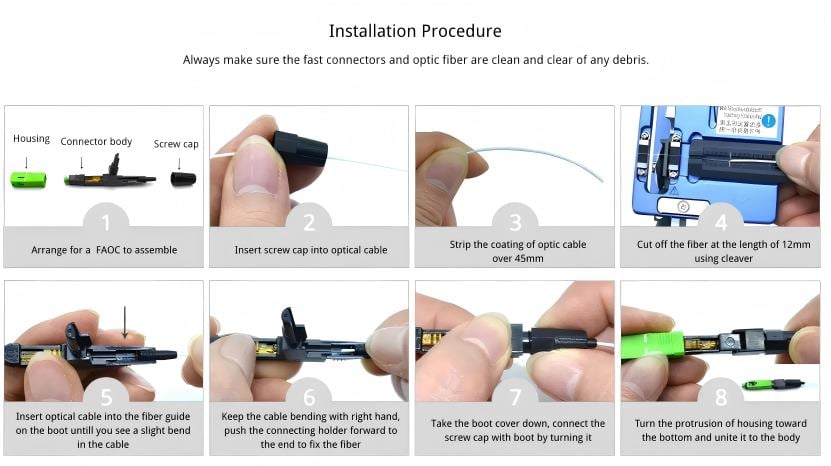
Brief Steps:
-
Strip & Clean: Strip the coating and clean the bare fiber.
-
Cleave: Use the companion simple cleaver for the cut.
-
Insert: Insert the cleaved fiber into the mechanical connector until it stops.
-
Activate/Lock: Engage the connector's lever, slide mechanism, or close the cap. The internal mechanism clamps the fiber and brings its end-face into contact with an internal anvil or another fiber stub, completing the connection.
Advantages: Extremely fast (under a minute), very low tooling cost, ideal for emergency repairs and small-scale jobs.
Disadvantages: Relatively higher loss, long-term reliability is generally lower than fusion or epoxy/polish methods, and the units are typically single-use/disposable.
Fiber Optic Termination Method Comparison & Summary
| Feature | Fusion Splicing | Mechanical (Epoxy/Polish) | Mechanical Splice Connector |
|---|---|---|---|
| Loss | Very Low (0.01-0.1 dB) | Low (0.2-0.5 dB) | Medium (0.3-0.5 dB) |
| Reliability | Highest | High | Medium |
| Cost | Expensive Equipment, Cheap Consumables | Moderate Equipment & Consumables | Cheap Tools, Expensive Unit Cost |
| Skill Required | High | High (especially polishing) | Low |
| Speed | Medium (~2-3 min per splice) | Slow (~5-10 min per connector) | Very Fast (<1 min each) |
| Best For | Long-haul, FTTH, Data Center Backbone | Field-making Quality Patch Cords, Repairs | Emergency Repairs, Temporary Links, Small Jobs |
Best Practices & Pro Tips in Fiber Optic Termination
-
Clean, Clean, and Clean Again! 90% of termination issues stem from contamination. Clean the fiber, tools, and connector end-faces before and after every step.
-
Invest in a Good Cleaver. This is your single most important tool, period.
-
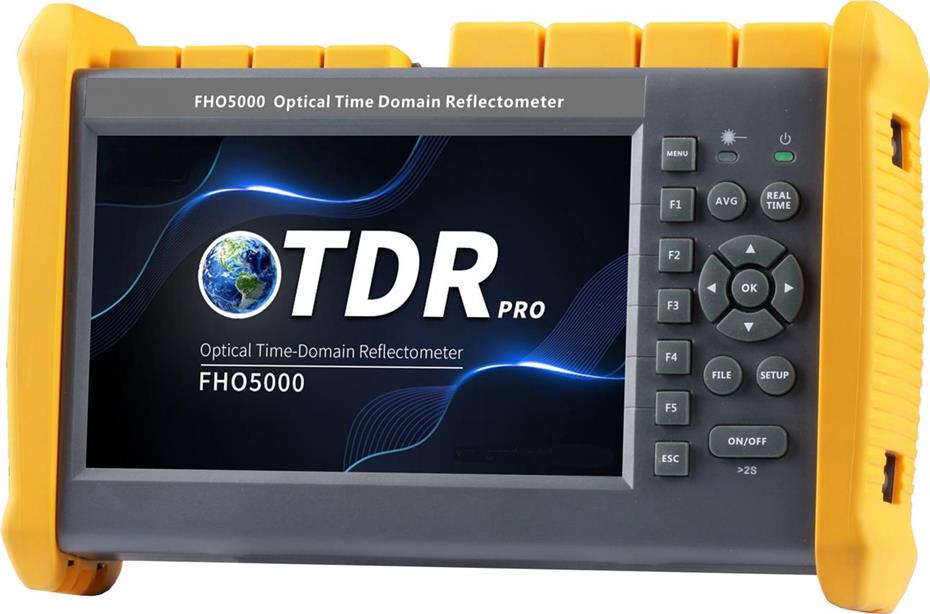
Always Test. After termination, use an Optical Time-Domain Reflectometer (OTDR) to check the overall link quality and loss at splices/connections, and use an Optical Light Source and Power Meter for end-to-end insertion loss testing.
-
Respect the Minimum Bend Radius. During installation, the fiber's bend radius should not be less than 20 times its outer diameter (even larger during installation under tension).
-
Dispose of Waste Properly. Place all fiber fragments in a dedicated sharps container to prevent injury.
Conclusion
Fiber optic termination is a skill combining precision tools and practiced craftsmanship. Fusion splicing offers unparalleled performance and reliability, making it the gold standard for permanent links. Mechanical termination, particularly cold cure connectors, offers advantages in flexibility and speed. By choosing the right method for your specific application, budget, and skill level, and by adhering to meticulous cleaning and proper procedure, you can successfully master this key technology in the world of optical communications.
FAQ Frequently Asked Questions
Where can I buy fiber optic termination tools?
A great place to look is Fibermart's online store: Fiber-Mart.com. They carry all the necessary tools, including fusion splicers, OTDR, fiber cleavers, fast fiber connector, field use fiber connector, Hand Polish Puck, fiber polishing machine and mechanical splices. The Fibermart team is committed to providing you with outstanding service and expert solutions.
How much time does fiber optic termination take?
The time needed to terminate a fiber optic cable can vary depending on factors like the technician's experience and the complexity of the task. Generally, for a skilled technician, terminating a fiber optic cable usually takes about 20 to 30 minutes per connector, including preparation, splicing, and testing. Fusion splicing typically requires a similar amount of time. Using skilled technicians and high-quality tools can help optimize these times.
Which specific tool is utilized for terminating fiber optic cables?
Can you explain the concepts of cable termination and cable safety?
Cable termination refers to the process of connecting the ends of a cable to a termination point or device. It involves carefully stripping the cable's protective layers, aligning and joining the individual fibers or wires, and securing the connection to ensure proper functionality and safety. Cable safety encompasses practices and procedures aimed at preventing damage to cables, ensuring secure connections, and maintaining a safe working environment.
Is it easy to terminate a fiber optic cable?
Terminating a fiber optic cable requires specialized skills and tools, making it a precise and somewhat intricate process. While experienced technicians can efficiently terminate fiber optic cables, it may not be considered "easy" due to the precision and attention to detail required for a successful termination.





No comments have been posted yet.