


.webp)


In the rapidly evolving field of optical communication and precision sensing, Distributed Feedback (DFB) Laser Diodes have emerged as a cornerstone technology, enabling high - speed data transmission, accurate wavelength control, and reliable performance across various industries. This article delves into the fundamental principle of DFB Laser Diodes and explores their wide - ranging applications, shedding light on why they have become an indispensable component in modern optical systems.
The Operating Principle of DFB Laser Diodes
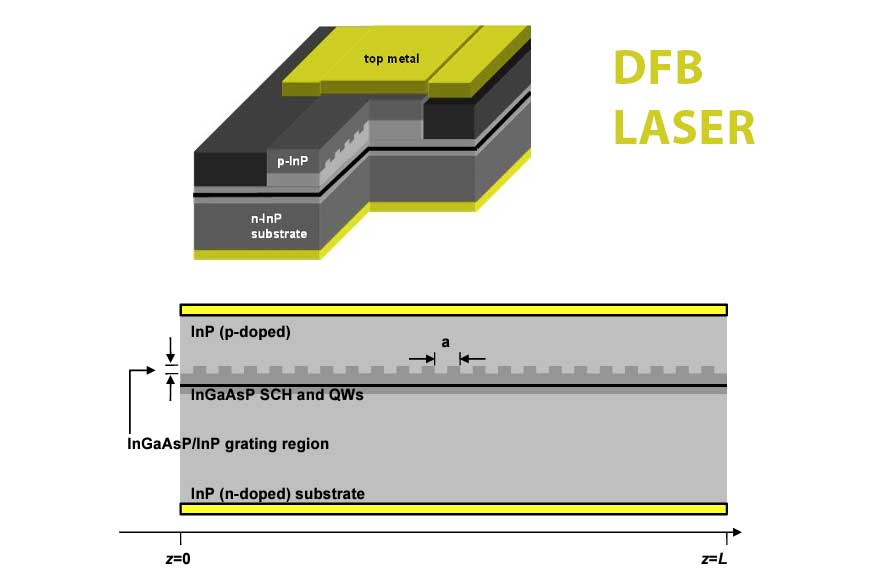
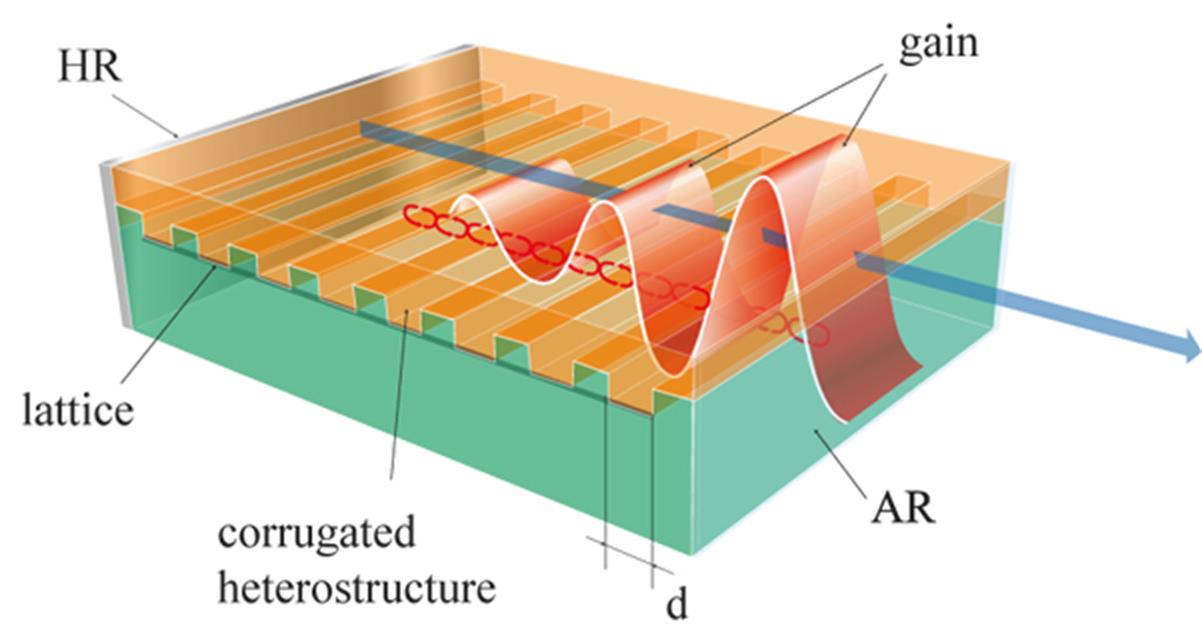
At the heart of a DFB Laser Diode lies a unique structural design that sets it apart from conventional laser diodes. Unlike Fabry - Pérot laser diodes, which rely on reflections from the cleaved ends of the semiconductor material to form an optical cavity, DFB Laser Diodes incorporate a periodic diffraction grating within their active region. This grating, typically etched into the semiconductor layer, acts as a distributed feedback mechanism, controlling the wavelength of the emitted laser light with exceptional precision.
The active region of the DFB Laser Diode is where the laser action takes place. When an electric current is applied to the diode, electrons and holes are injected into the active region, where they recombine, releasing energy in the form of photons. The periodic diffraction grating, with its carefully designed spacing, creates a one - dimensional interference pattern (known as Bragg scattering). This interference pattern selectively reflects specific wavelengths of light back into the active region, while allowing other wavelengths to escape. Through this process, the DFB Laser Diode achieves single - wavelength operation, with a narrow linewidth and high wavelength stability.
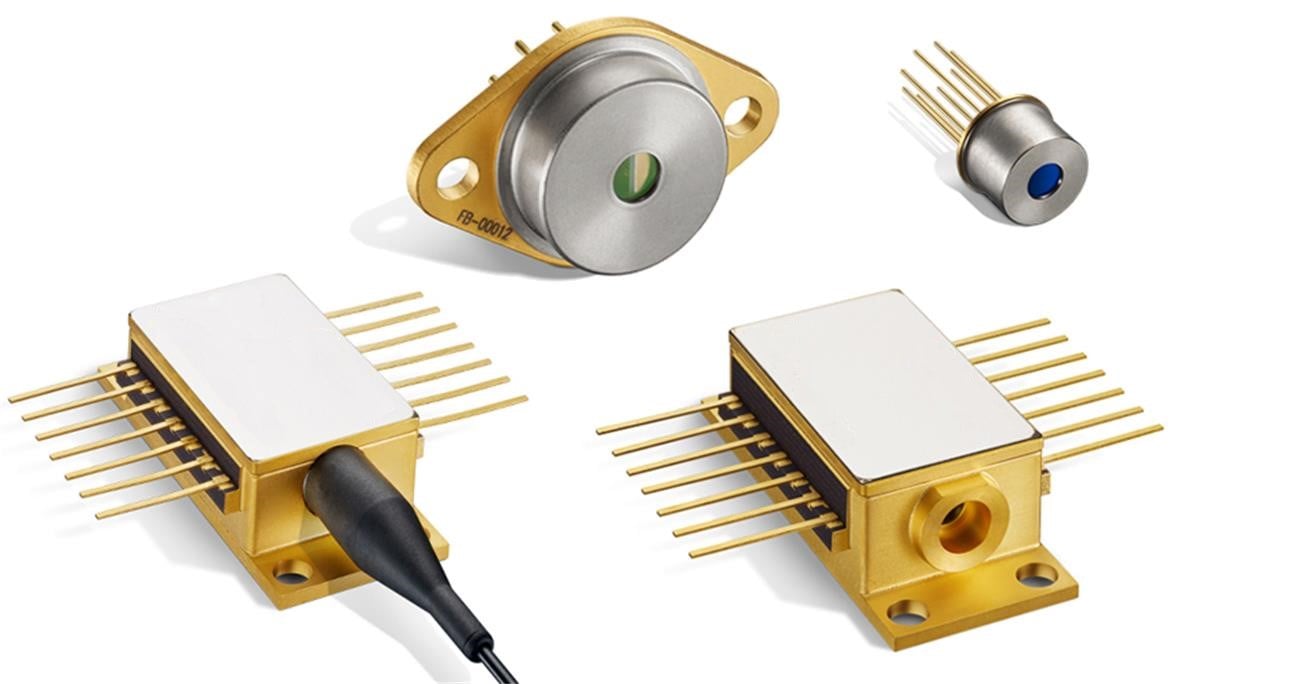
Another key feature of DFB Laser Diodes is the integration of additional components to enhance their performance. Most DFB Laser Diodes come equipped with a thermoelectric cooler (TEC), a thermistor, a monitor photodiode (PD), and an optical isolator. The TEC helps maintain a stable operating temperature, which is crucial for preserving the wavelength accuracy and output power of the laser. The thermistor monitors the temperature of the diode, providing feedback to the TEC for precise temperature control. The monitor PD detects the output power of the laser, enabling closed - loop power regulation. The optical isolator prevents unwanted back - reflections from entering the laser cavity, which can cause instability and degrade the laser's performance.
The Wide Ranging Applications of DFB Laser Diodes
Thanks to their excellent performance characteristics, such as high wavelength stability, narrow linewidth, and high - speed modulation capability, DFB Laser Diodes find applications in a diverse array of fields, from optical communication networks to industrial sensing and medical equipment.
Optical Communication Systems
In optical communication systems, DFB Laser Diodes play a vital role in wavelength division multiplexing (WDM) technology, which allows multiple optical signals of different wavelengths to be transmitted simultaneously over a single optical fiber. This significantly increases the bandwidth and capacity of the communication network. The SWLD (Select Wavelength Laser Diodes) series, developed based on DFB technology, complies with ITU recommendations for both CWDM (Coarse Wavelength Division Multiplexing) and DWDM (Dense Wavelength Division Multiplexing) systems. For CWDM systems, the selected wavelengths range from 1270 to 1610nm, adhering to a 20nm grid. For DWDM systems, the wavelengths span from 1527.22 to 1610.92nm, following a 100GHz (0.8nm) grid relative to a reference frequency.
DFB Laser Diodes are widely used in various types of optical communication networks, including Local Area Networks (LAN), Wide Area Networks (WAN), Metropolitan Area Networks (MAN), and Cable Television (CATV) transmission systems. In long - distance DWDM transmission systems, their high wavelength stability ensures that the optical signals maintain their integrity over long distances, reducing signal attenuation and distortion. Additionally, DFB Laser Diodes serve as key components in stabilized light sources, modulated light sources, and CATV transmitters, providing reliable and high - quality optical signals for data, voice, and video transmission.
Industrial and Sensing Applications
Beyond optical communication, DFB Laser Diodes are also making significant contributions to industrial and sensing applications. Their narrow linewidth and high wavelength stability make them ideal for gas detection systems. By tuning the wavelength of the DFB Laser Diode to match the absorption spectrum of a specific gas, these systems can accurately detect and measure the concentration of the gas. This technology is widely used in environmental monitoring, industrial process control, and medical diagnostics, enabling real - time and high - precision gas analysis.
In addition, DFB Laser Diodes are used in laser - based distance measurement, alignment, and material processing applications. Their high output power and narrow beam divergence ensure accurate and efficient operation in these industrial settings. For example, in laser ranging systems, DFB Laser Diodes provide precise distance measurements for applications such as surveying, construction, and autonomous vehicles.
Medical and Biophotonics Applications
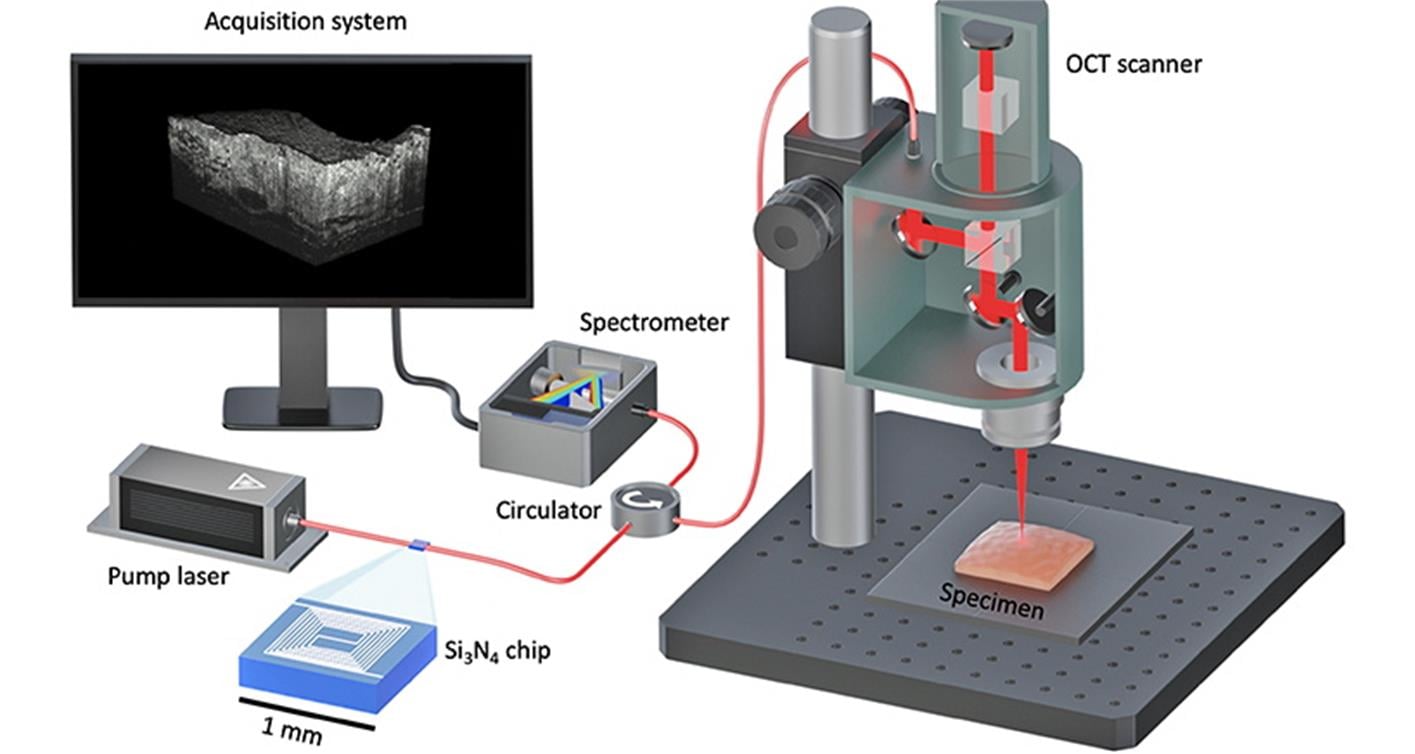
The unique performance of DFB Laser Diodes has also made them a valuable tool in the medical and biophotonics fields, where precision, stability, and non - invasiveness are paramount. In medical diagnostics, DFB Laser Diodes are employed in optical coherence tomography (OCT) systems. OCT is a non - invasive imaging technique that generates high - resolution cross - sectional images of biological tissues. The narrow linewidth of DFB Laser Diodes ensures that OCT systems can achieve exceptional depth resolution, allowing clinicians to visualize microscopic structures in tissues such as the retina, skin, and cardiovascular system. This has revolutionized the diagnosis of conditions like retinal diseases, skin cancers, and vascular disorders, enabling early detection and more effective treatment planning.
In therapeutic applications, DFB Laser Diodes are used in laser - based treatments for various medical conditions. For instance, in dermatology, they are utilized for laser hair removal, acne treatment, and the removal of vascular lesions. The precise wavelength control of DFB Laser Diodes ensures that the laser energy is absorbed specifically by the target tissue (such as melanin in hair follicles or hemoglobin in blood vessels), minimizing damage to surrounding healthy tissue and improving treatment efficacy and safety.
In biophotonics research, DFB Laser Diodes support studies in areas such as fluorescence spectroscopy, Raman spectroscopy, and flow cytometry. These techniques rely on precise optical excitation to analyze biological molecules, cells, and tissues. The high stability and narrow linewidth of DFB Laser Diodes ensure that the excitation light source remains consistent, enabling accurate and reproducible experimental results, which are crucial for advancing our understanding of biological processes and developing new medical technologies.
Package Types and Customization Options
To meet the diverse requirements of different applications, DFB Laser Diodes are available in a variety of package types. The hermetic sealed 14 - pin butterfly package is one of the most common types, offering excellent thermal management and environmental protection. This package integrates the DFB Laser Diode, TEC, thermistor, monitor PD, and optical isolator into a compact and robust housing, ensuring reliable operation in harsh environments.
In addition to standard packages, Fibermart also offers a wide range of customization options for DFB Laser Diodes. Customers can select from different output powers, package types, and output fibers, including single - mode (SM) fibers, polarization - maintaining (PM) fibers, and other special fibers. This level of customization allows DFB Laser Diodes to be tailored to specific application needs, ensuring optimal performance and compatibility with existing systems.
Furthermore, Fibermart's DFB Laser Diodes are Telcordia GR - 468 qualified and comply with RoHS directives, ensuring high quality, reliability, and environmental friendliness. Telcordia GR - 468 qualification is a rigorous standard for optical components, ensuring that the products meet the strict requirements for performance, reliability, and environmental resistance in telecommunications applications. RoHS compliance ensures that the products are free from hazardous substances, reducing their impact on the environment and human health.

Summary
DFB Laser Diodes have revolutionized the field of optical technology with their exceptional performance, precise wavelength control, and wide ranging applications. Their unique operating principle, which incorporates a periodic diffraction grating for distributed feedback, enables single - wavelength operation with high stability and narrow linewidth. From optical communication systems to industrial sensing and medical applications, DFB Laser Diodes are playing an increasingly important role in driving technological innovation and improving the efficiency and accuracy of various systems.





No comments have been posted yet.