


.webp)


In today’s fast-paced world, where data transfer demands are growing exponentially, the MPO splitter cable has become an essential component for modern networks. From data centers to 5G networks and enterprise environments, this high-density cabling solution simplifies installations, optimizes performance, and enhances scalability. However, with numerous options available, choosing the right MPO splitter cable can feel overwhelming. Fibermart will help you navigate the selection process, focusing on the essentials of MPO fiber cable, different MPO cable types, and the importance of sourcing from a trusted MPO fiber cable wholesaler.
What is an MPO Splitter Cable?
1. Defining the MPO Splitter Cable
The MPO splitter cable (Multi-Fiber Push-On) is a fiber-optic solution designed for high-density environments. It uses a single connector to accommodate multiple fibers, making it a space-efficient choice for environments where performance and compact design are critical. This cable type is particularly advantageous in data centers and 5G applications, where it ensures streamlined connectivity and easy management.
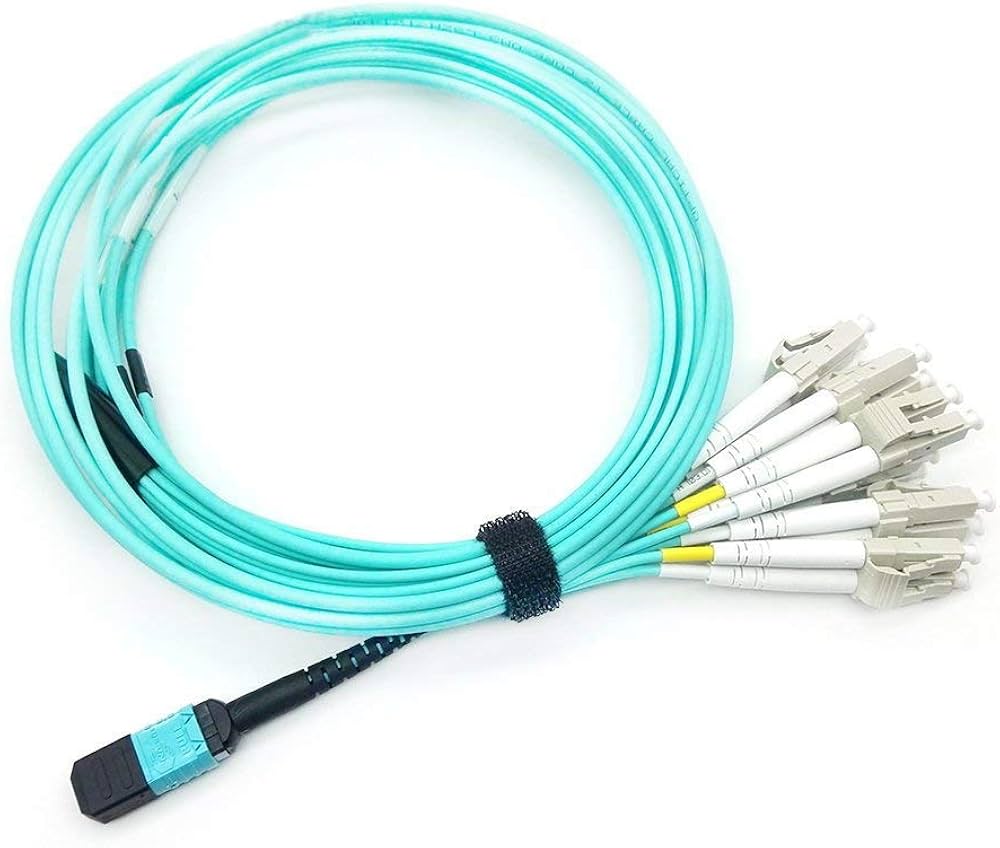
2. Structure and Features
An MPO splitter cable typically consists of a connector housing multiple fibers. Standard configurations include 8, 12, or 24 fibers. These options allow for flexible deployments across a range of applications, from low-density setups to high-density, high-speed environments.
Key Factors to Consider When Choosing an MPO Splitter Cable
1. Transmission Speed and Bandwidth
Your current and future bandwidth needs should be the first consideration when choosing an MPO splitter cable.
Assess whether your network operates at 1G, 10G, 40G, or even higher speeds.
If you anticipate network upgrades to 400G, select MPO fiber cable that supports higher bandwidth to avoid the cost of replacing cables later.
For future-proof networks, invest in cables designed for high-speed transmissions.
2. Fiber Count: 8, 12, or 24?
The fiber count directly determines the cable’s capacity. Choosing the right configuration ensures efficient use of resources without unnecessary costs.
8-fiber MPO splitter cable: Ideal for 40G networks and low-density applications.
12-fiber MPO splitter cable: Versatile and widely compatible, suitable for 10G to 100G networks.
24-fiber MPO splitter cable: Best for high-density setups like 400G networks, where maximizing capacity is critical.
Choosing the right fiber count also simplifies network scaling as demands increase.
3. Fiber Type: Single-Mode or Multimode?
MPO cable types come in two primary variations: single-mode and multimode. Your choice should depend on your distance and performance requirements.
Single-mode MPO fiber cable: Supports long-distance, high-speed data transfers, such as backbone networks.
Multimode MPO fiber cable: Cost-effective for short-range applications like office networks.
For example, enterprises needing cost-effective connectivity often choose multimode, while large-scale data centers lean towards single-mode solutions.

4. Connector Type and Polarity
The MPO connector type and polarity determine compatibility and signal flow.
Connector Types: Ensure compatibility with existing equipment to avoid disruptions.
Polarity (A, B, C): Each type is suited to specific connection methods. For example, Type A connectors maintain the same fiber positions, while Type B reverses them for parallel systems.
Discuss these requirements with your vendor to ensure seamless integration.
5. Space and Density Considerations
High-density installations demand space-efficient solutions. An MPO splitter cable with a slim or flat profile enhances cable management in crowded environments. Additionally, modular designs or breakout kits simplify maintenance and upgrades.
6. Environmental Suitability
Consider environmental conditions before finalizing your choice.
Outdoor deployments require durable jackets resistant to water, UV light, and extreme temperatures.
Indoor environments benefit from LSZH (Low Smoke Zero Halogen) jackets, ensuring safety and compliance in data centers.
How to Evaluate MPO Splitter Cable Quality
1. Performance Metrics
High-quality cables are defined by their low insertion loss (<0.35dB) and high return loss (>50dB). These features ensure reliable data transmission and minimal signal degradation, even in demanding environments.
2. Certifications
Verify that the cable meets industry standards, such as ISO/IEC or TIA/EIA. Certification ensures that the product adheres to stringent quality benchmarks.

3. Trusted Manufacturers and Wholesalers
Partnering with a reliable MPO fiber cable wholesaler guarantees access to high-quality products. Reputable wholesalers often provide detailed product specifications, helping you make informed decisions.
Recommendations for Different Applications
1. Data Centers
Data centers require high-density cabling solutions to handle vast amounts of data. A 24-fiber MPO fiber cable is ideal for these setups, as it supports parallel optical transmission for high-speed applications like 400G Ethernet.
2. 5G Networks
For 5G networks, single-mode MPO cable types offer the long-distance reliability needed for base stations and backbone connections.
3. Enterprise LANs
Multimode cables provide cost-effective, high-performance solutions for short-distance connections in office environments. Their affordability makes them a popular choice for small to medium-sized businesses.

Tips for Purchasing MPO Splitter Cables
1. Define Your Needs
Clearly identify your requirements, including bandwidth, fiber count, and environment. This clarity streamlines the decision-making process.
2. Seek Expert Advice
Consult an MPO fiber cable wholesaler or network professional to ensure compatibility with your infrastructure. Their expertise prevents costly mistakes.
3. Don’t Compromise on Quality
While low-cost options may seem appealing, inferior cables often result in higher maintenance costs. Invest in high-quality cables to save time and money in the long run.
Conclusion

Choosing the right MPO splitter cable requires a clear understanding of your network’s current and future needs. From bandwidth to fiber count and environmental suitability, each factor plays a crucial role in ensuring optimal performance.
Investing in high-quality MPO fiber cable designed for your specific application guarantees efficient, scalable, and reliable connectivity. Partnering with a reputable MPO fiber cable wholesaler Fibermart ensures access to premium products and expert guidance, making your cabling decisions straightforward and effective.
Whether you’re upgrading a data center, deploying a 5G network, or enhancing an enterprise LAN, this guide equips you with the knowledge to choose the perfect MPO splitter cable for your needs.





No comments have been posted yet.