


.webp)


Fiber-to-the-Home (FTTH) networks have emerged as the backbone of modern high-speed broadband infrastructure, delivering ultra-fast data transmission to residential and small-business end-users. As outdoor FTTH deployments expand to cover remote and climatically diverse regions, the reliability of key optical components—especially fiber optic connectors—has become a critical factor in ensuring network uptime and performance. Among the array of connector types available, the LC connector, renowned for its small form factor and high port density, is increasingly adopted in FTTH architectures. However, outdoor environments expose these connectors to extreme and fluctuating temperatures, making thermal cycling reliability a non-negotiable performance criterion.
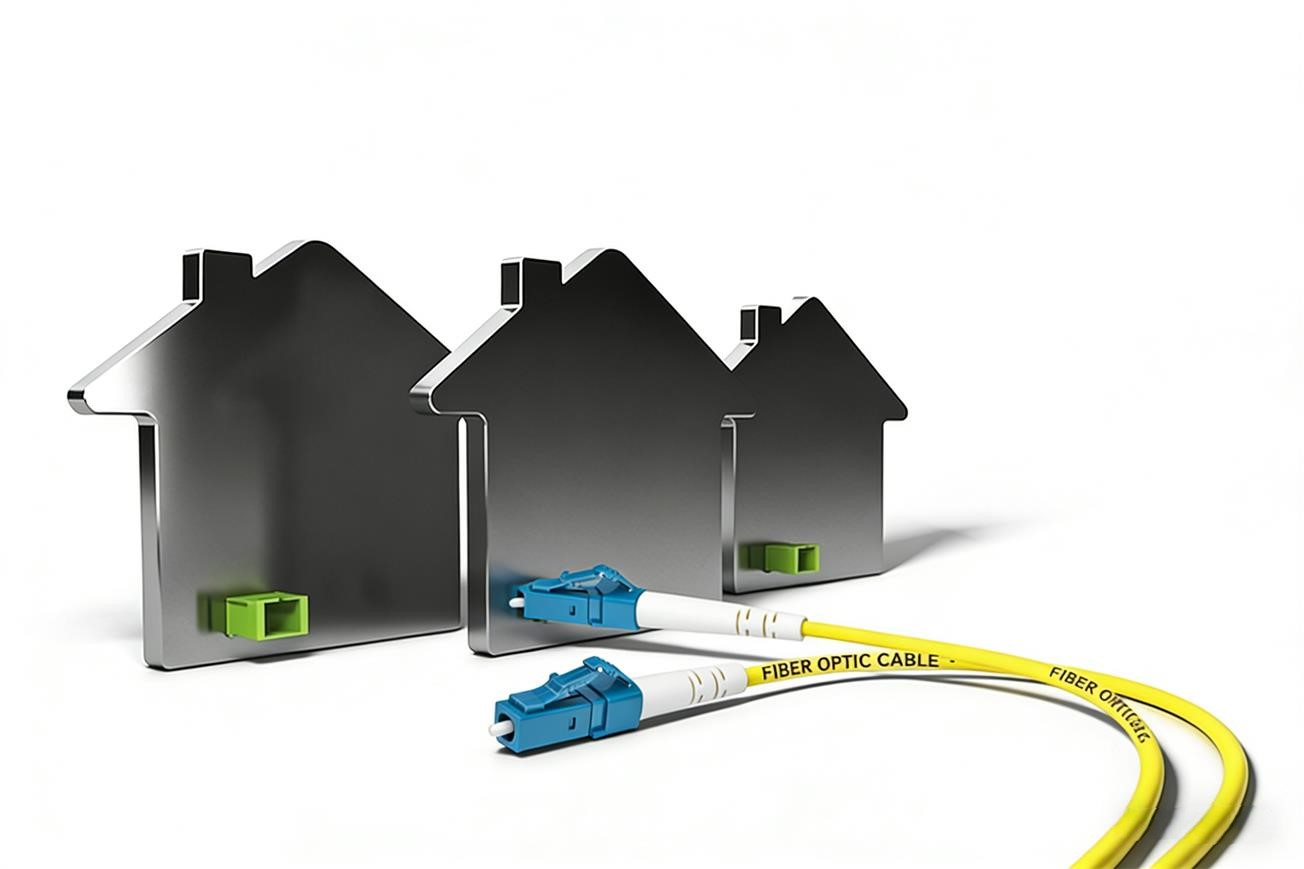
Overview of LC Connectors in Outdoor FTTH Ecosystems
Core Role of LC Connectors in FTTH Deployments
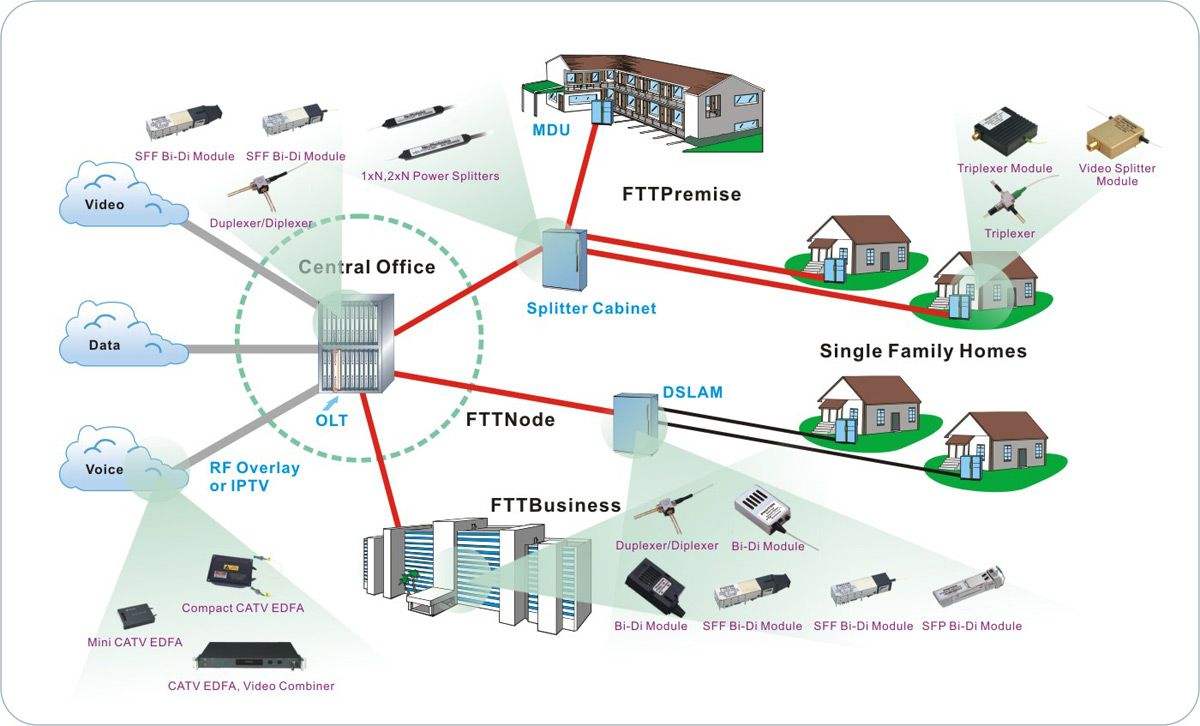
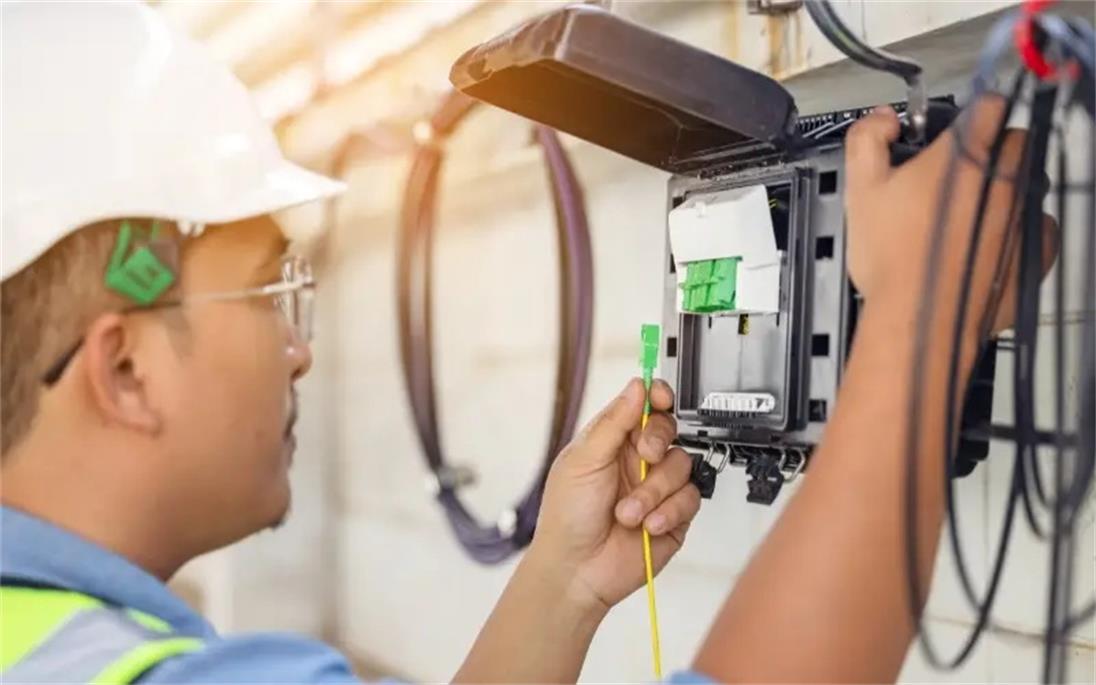
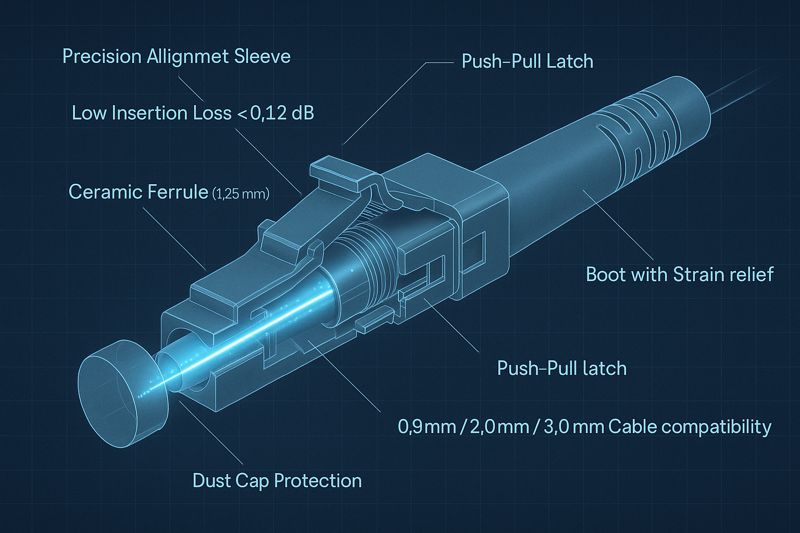
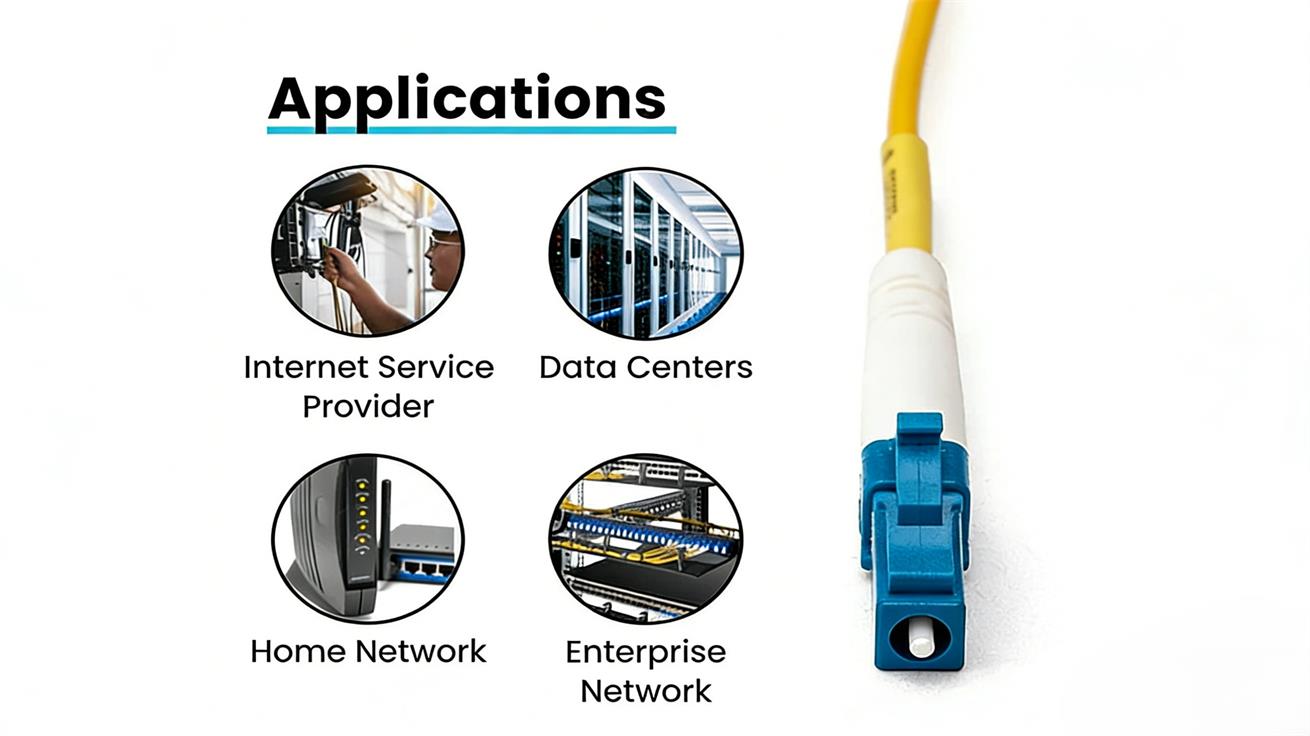
FTTH networks rely on a seamless link between central office equipment, distribution nodes, and customer premises, with connectors serving as the vital interfaces that maintain signal integrity across these segments. The LC connector, characterized by its 1.25 mm ceramic ferrule (half the size of traditional SC connectors), is ideal for FTTH applications due to its compact footprint and duplex configuration capability. In outdoor FTTH scenarios, LC connectors are deployed in a range of components, including aerial fiber cables, pedestal-mounted distribution boxes, and weatherproof terminal enclosures, where they facilitate connections between feeder fibers, drop cables, and customer-side optical network terminals (ONTs).
Unlike indoor data center deployments, outdoor FTTH LC connectors must contend with unregulated environmental conditions while preserving low insertion loss and high return loss—two key metrics for optical signal quality. Their push-pull latching mechanism also adds value in outdoor settings, as it enables secure, tool-free connections that can withstand minor physical disturbances from wind, vibration, or routine maintenance.
Key Performance Requirements for Outdoor LC Connectors
Outdoor FTTH LC connectors are held to stringent performance standards to meet the demands of residential broadband services, which require 99.99% network availability. Beyond the baseline optical specifications (a maximum insertion loss of 0.25 dB and return loss exceeding 55 dB for UPC polished connectors, and >65 dB for APC variants), outdoor deployments impose additional requirements:
● Mechanical robustness to resist tensile stress from cable sagging or environmental movement
● Resistance to moisture, dust, and UV radiation to prevent material degradation
● Thermal cycling resilience to maintain performance across extreme temperature fluctuations, typically ranging from -40°C to 85°C during storage and -20°C to 75°C during operation, as defined by industry standards for LC connector temperature ratings.
Thermal Cycling Challenges for Outdoor LC Connectors
Temperature Extremes and Material Compatibility
Thermal cycling refers to the repeated fluctuation of temperature between low and high extremes, a common occurrence in outdoor environments (e.g., day-night temperature swings, seasonal changes, or regional climate variations like winter frost and summer heatwaves). For LC connectors, these cycles create mismatched expansion and contraction rates between the connector’s constituent materials—ceramic ferrule, plastic housing, metal spring, epoxy adhesive, and fiber optic cable—which can compromise structural and optical performance over time.
The ceramic ferrule, which holds the optical fiber in precise alignment, has a very low coefficient of thermal expansion (CTE). In contrast, the plastic connector housing and heat-shrinkable sleeves have significantly higher CTEs. When temperatures rise, the plastic components expand more rapidly than the ceramic ferrule, creating internal stress that can shift the ferrule’s position or loosen the epoxy bond holding the fiber. Conversely, extreme cold causes plastic components to contract, potentially compressing the ferrule or cracking the epoxy, leading to increased insertion loss or signal disruption.
Impact on Epoxy and Crimp Integrity
A core step in LC connector assembly is the curing of epoxy adhesive to bond the optical fiber to the ceramic ferrule, followed by crimping to secure the cable’s aramid strength members to the connector body. In outdoor thermal cycling, the epoxy material is particularly vulnerable: repeated temperature swings can cause the epoxy to become brittle, losing its ability to maintain a tight bond between the glass fiber and ferrule. This brittleness may lead to fiber misalignment, increased back-reflection, or even fiber breakage under mechanical stress.
The crimp mechanism, which transfers tensile loads away from the fragile glass fiber, is also affected by thermal cycling. Metal crimp sleeves can experience fatigue from repeated expansion and contraction, weakening their grip on the aramid yarn. Over time, this can result in cable slippage within the connector, compromising both mechanical stability and optical alignment. In severe cases, the crimp may fail entirely, leading to a complete loss of signal.
Design and Manufacturing Features Enhancing Thermal Cycling Reliability
Material Selection for Environmental Resilience
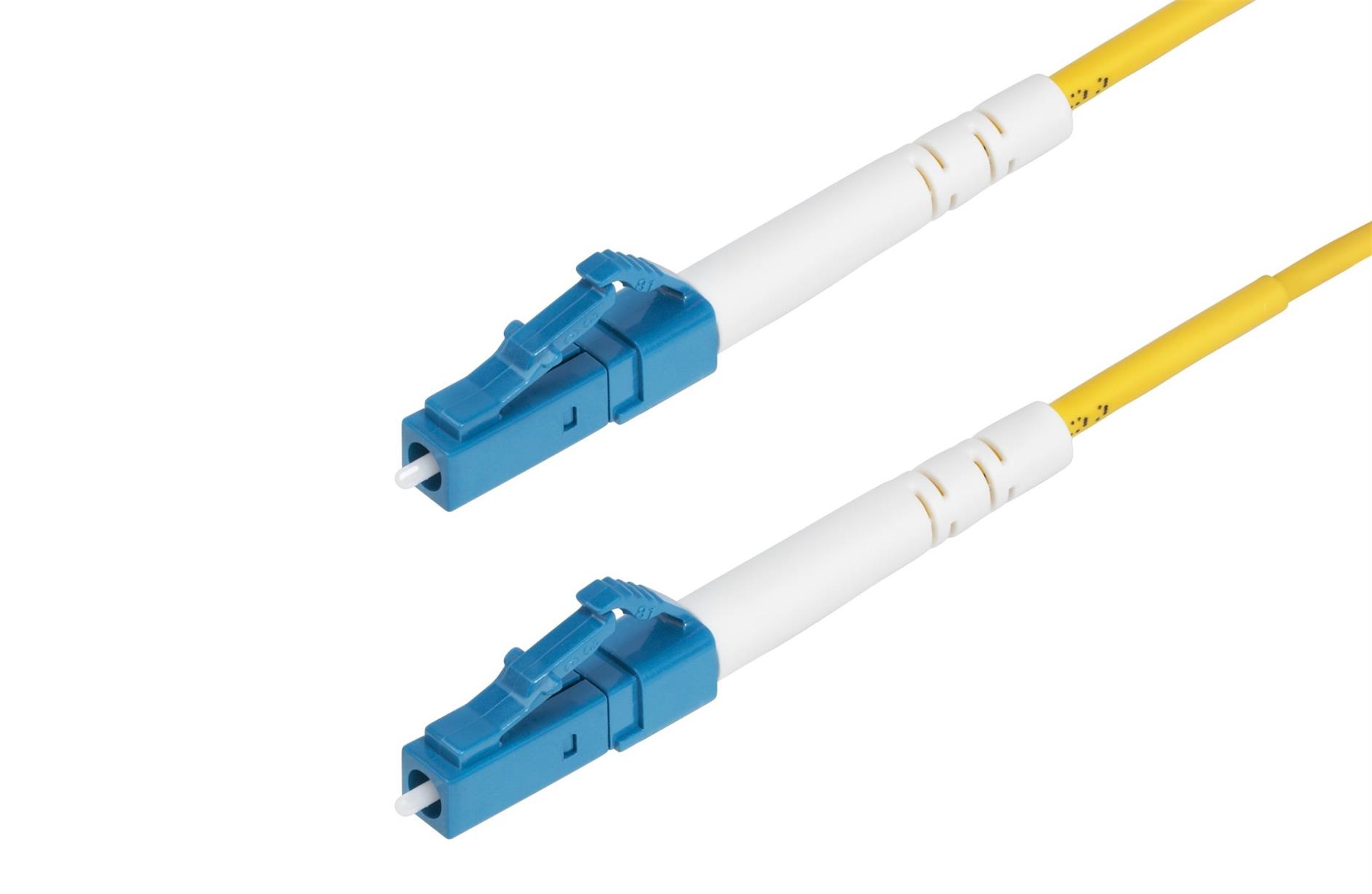
Leading LC connector manufacturers (such as those featured on fiber-mart.com) prioritize specialized materials to mitigate thermal cycling risks in outdoor FTTH deployments. The ceramic ferrule, typically made of zirconia, is chosen for its thermal stability and resistance to wear, ensuring consistent fiber alignment regardless of temperature changes. The connector housing and boot are molded from high-grade, UV-stabilized thermoplastics that exhibit low CTE and resistance to cracking under thermal stress. These materials also repel moisture and resist degradation from prolonged sun exposure, a critical feature for aerial or ground-mounted FTTH enclosures.
For the epoxy adhesive, fast-curing, thermally stable formulations are used in connector assembly. These epoxies are engineered to maintain their elasticity and bonding strength across the full operating temperature range of -20°C to 75°C, preventing brittleness and fiber misalignment during thermal cycles.
Structural Design Optimizations
The mechanical design of LC connectors includes several features tailored to boost thermal cycling reliability for outdoor FTTH use:
● Reinforced crimp sleeves: Heavy-duty metal crimp sleeves with enhanced grip ensure the aramid strength members remain anchored, even as temperatures fluctuate. This prevents cable slippage and preserves the fiber’s position within the ferrule.
● Spring-loaded ferrule retention: A precision-engineered metal spring maintains consistent pressure on the ferrule, compensating for minor dimensional changes in the housing due to temperature shifts and ensuring continuous physical contact with mating adapters.
● Weatherproof boots: Colored (blue for single-mode, beige for multimode, green for APC) boots made of flexible, temperature-resistant polymer provide strain relief for the cable-to-connector junction, reducing stress on the fiber and epoxy bond during thermal expansion or contraction.
Best Practices for Ensuring Thermal Cycling Reliability in FTTH Installations
Proper Assembly and Curing Procedures
The reliability of LC connectors in outdoor thermal environments starts with precise field assembly. Technicians must follow manufacturer guidelines for epoxy injection and curing: using a temperature-controlled curing oven to ensure the epoxy fully cures (avoiding under-curing, which leaves the bond vulnerable to thermal stress) and applying the crimp with calibrated tools to achieve optimal grip on the strength members. Improper curing or crimping can create weak points that fail prematurely under thermal cycling.
.jpg "LC Fiber Connector")
Protective Enclosures and Cable Routing
In outdoor FTTH deployments, housing LC connectors in weatherproof, thermally insulated enclosures (such as pedestal boxes or wall-mounted terminal cabinets) can buffer against extreme temperature swings. These enclosures also shield connectors from moisture, dust, and physical damage, extending their service life. Additionally, proper cable routing—avoiding tight bends, securing cables to prevent sagging, and using strain reliefs—reduces mechanical stress on the connector, which can exacerbate thermal cycling damage.
Regular Testing and Maintenance
To proactively identify thermal cycling-related degradation, network operators should implement periodic testing of LC connector performance in outdoor FTTH nodes. Insertion and return loss testing, using optical power meters and OTDRs (optical time-domain reflectometers), can detect subtle increases in signal loss caused by ferrule misalignment or epoxy degradation. Damaged connectors should be replaced promptly, and spare connectors (designed for outdoor use) should be included in field maintenance kits to minimize downtime.
As FTTH networks continue to expand into diverse and harsh outdoor environments, the thermal cycling reliability of LC connectors has become a cornerstone of network performance and longevity. The small form factor, high port density, and inherent design features of LC connectors—when paired with robust materials, precise assembly, and protective installation practices—enable them to withstand the extreme temperature fluctuations of outdoor settings. For network operators and installers, prioritizing thermally resilient LC connectors and adhering to best practices for deployment will ensure that FTTH networks deliver consistent, high-speed connectivity to end-users, even in the most challenging climatic conditions.





No comments have been posted yet.